
Elias Mora
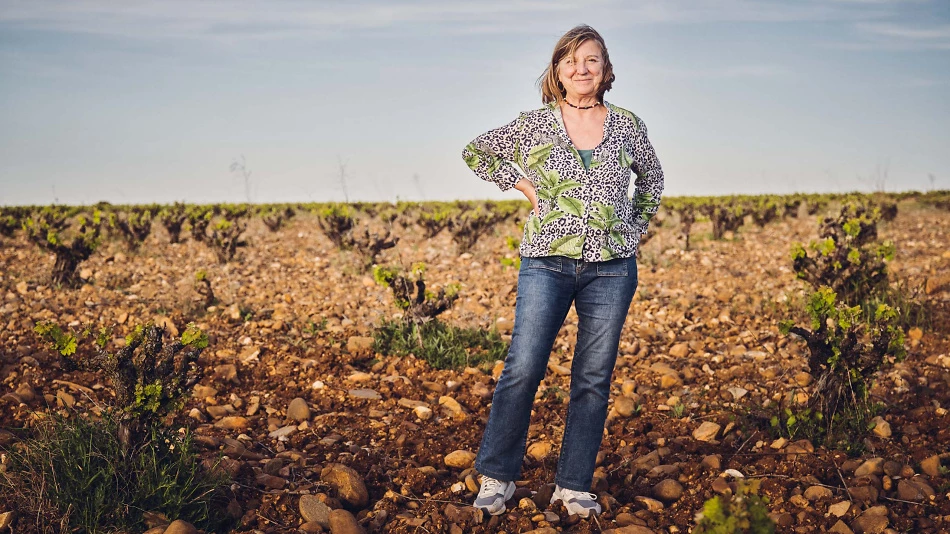
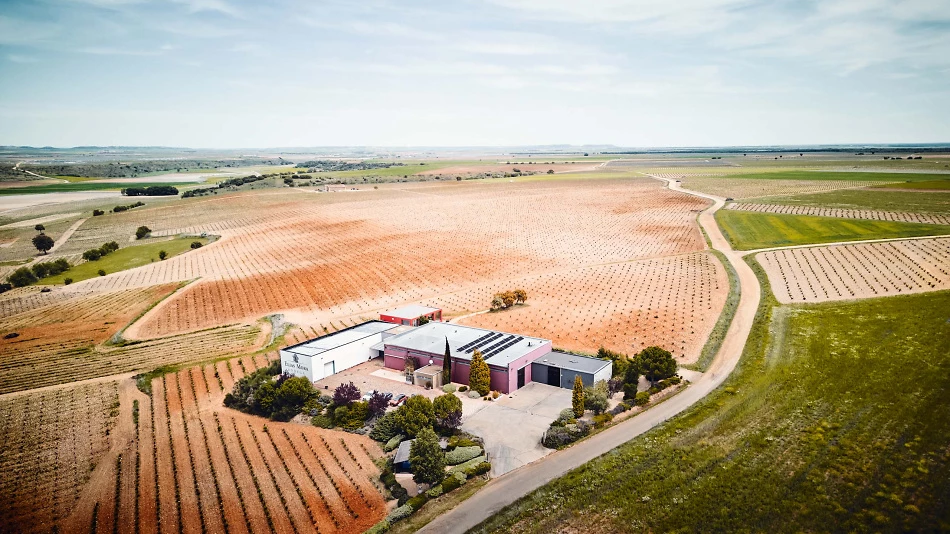
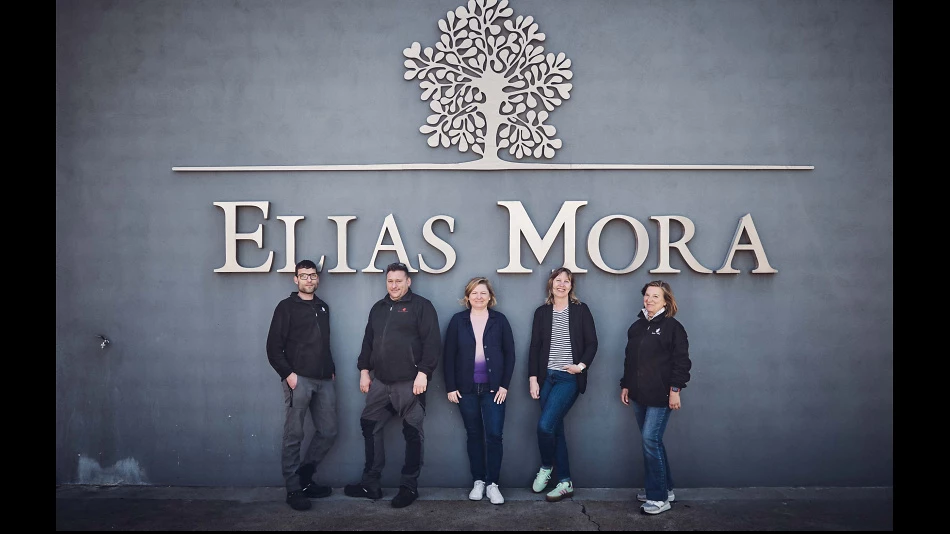
The bodega was founded in 2000 by Victoria Benavides and the name of the winery honours the former owner of the vineyards: Elías Mora. The oenologist is one of Spain's undisputed winegrowers.
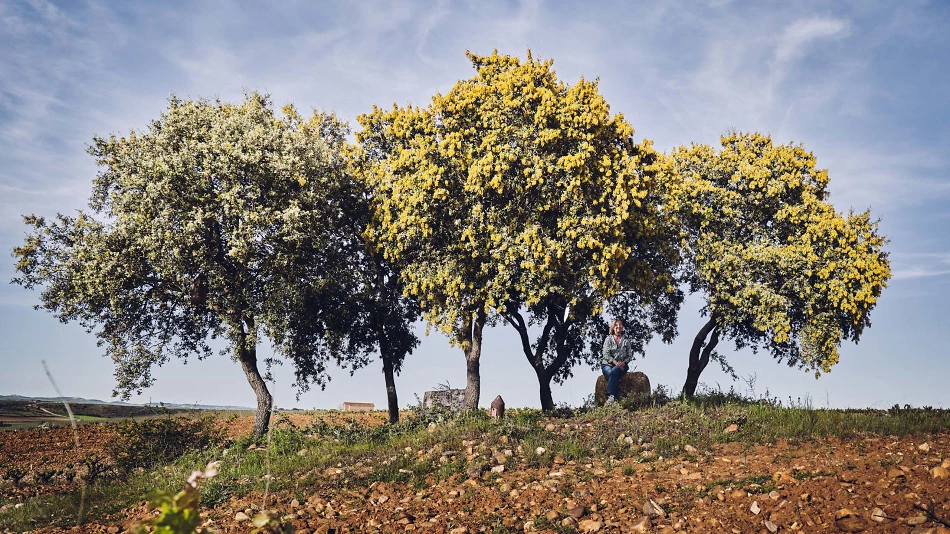
The Toro region is located west of the DO Rueda and the DO Ribera del Duero at about 800 meters above sea level, about 100 kilometres from the north-eastern border of Portugal. The main grape variety, Tinta de Toro, synonymous with Tempranillo, has been producing here unique wines for 2000 years. Their characteristics are clearly different from those of the wines from Ribera del Duero. The vines are traditionally grown "en vaso" in an extremely dry and harsh climate on stony, sandy soils, so that the leaves protect the fruit from the scorching sun. Less than 400 millimetres of rain fall per year, the summers are hot and the winters are extremely cold.
Red wines from Elias Mora

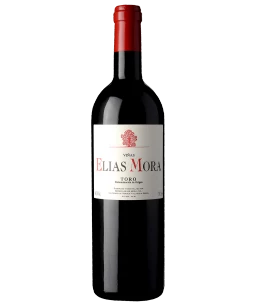

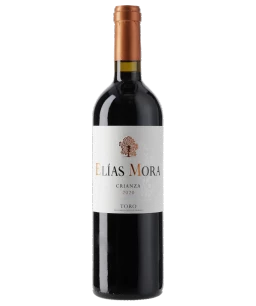
from Elias Mora


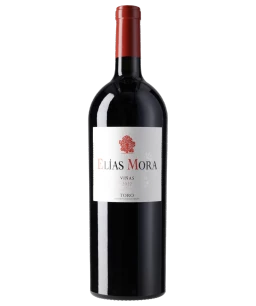
The 15 hectares of vines of the Elías Mora winery have never been affected by the devastating phylloxera plague, thanks to the nature of the soil. All plants are so-called direct carriers or root-true vines, i.e. not grafted onto American rootstock vines. The oldest ones are about 80 years old. Each plot is individually worked according to the age of the vines, orientation and soil type and, if necessary, vinified separately. All work is done by hand, from winter pruning to careful harvesting. The winery also obtains selected grapes from selected grape growers in the region.
Producer
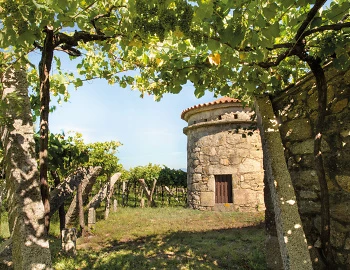
Bodegas Zárate
Located in the heart of Galicia, in the renowned Rías Baixas region, you will find the traditional Spanish winery Bodegas Zárate – a name synonymous with quality and pioneering spirit. What began in 1707 with Diego Zárate y Murga, the first Marquis of Montesacro, has now developed into one of the most important addresses for authentic Albariño.
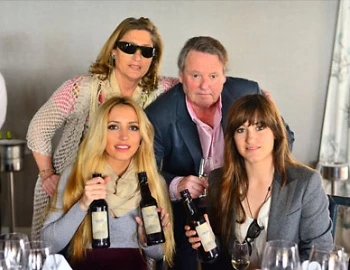
Gutiérrez Colosía
Read more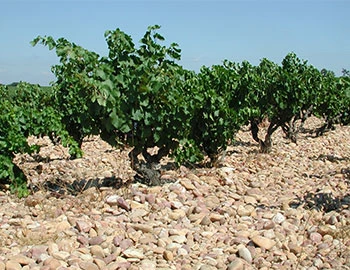
Domaine des Pères de l'Eglise
In 1933, the winegrowers and wine merchants of Châteauneuf-du-Pape were the first to impose quality rules relating to the cultivation and production of wines that would bear the name Châteauneuf-du-Pape. The geographic definition of the cultivation area, along with the other regulations, is still in force today, in order to guarantee the wine quality for connoisseurs. The Gradassi family of the Domaine des Pères de l’Église is following the tradition, but with the fresh impetus provided by the young fourth generation.