
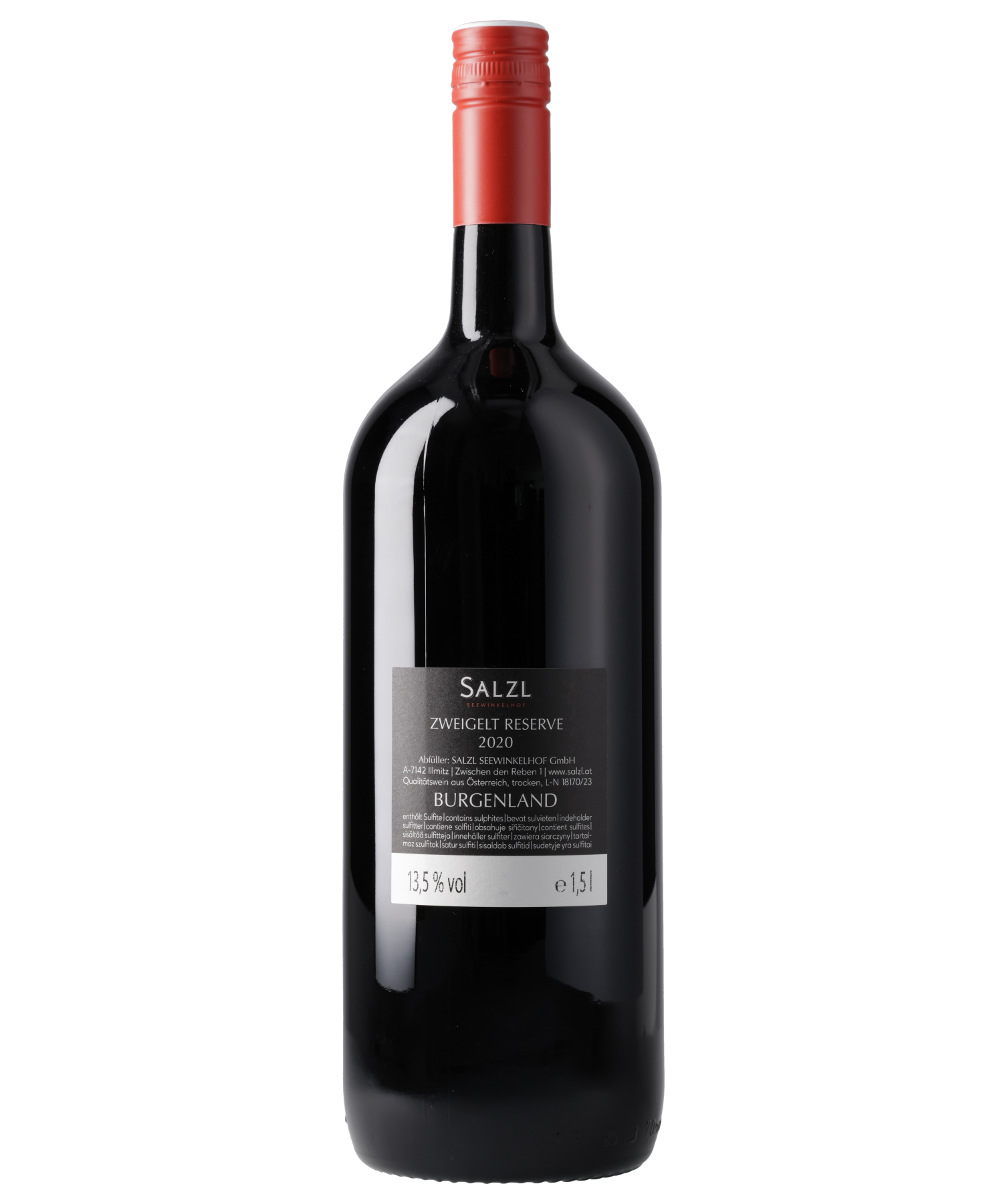
Zweigelt Reserve 2020
QWt Burgenland, Salzl Seewinkelhof, 1500 ml


Charming with cherry notes
- Austria’s most famous red grape variety – sun-ripened in Burgenland.
- Cherry compote, a hint of tobacco, a smooth texture and delicate tannins.
- To go with a snack platter, mushroom sandwiches and, of course, the classic Wiener schnitzel.
Description
Zweigelt is Austria’s most popular red grape variety and thrives particularly well in the sun-drenched Burgenland region. On the nose, it is wonderfully fruity with delicate cherry notes, a hint of tobacco and subtle toasted aromas. On the palate, it continues in the same charming vein: plenty of juicy fruit, a smooth texture and lovely, supportive acidity. Added to this are fine tannins, subtle toasted notes and a hint of coconut. The finish? Spicy and with lovely drinkability. A typical Zweigelt – uncomplicated, but anything but boring. Pairs superbly with Wiener schnitzel, spätzli, creamy mushroom sauces and, of course, the classic snack platter. In short: a true all-rounder.
Tasting – The Art of Wine Selection at the Baur au Lac

Meet over 20 wine and spirits producers, benefit from attractive special offers, and attend exclusive masterclasses featuring aged wines. Limited places available.
Sunday, November 15, 2026 | 2.00 pm until 7.00 pm
Monday, November 16, 2026 | 2.00 pm until 8.00 pm
Attributes
| Grape variety: | Zweigelt |
| Producer: | Salzl |
| Origin: | Austria / Burgenland / Neusiedlersee |
| Other vintages: | 2022 2019 |
| Ripening potential: | 2 to 7 years |
| Drinking temperature: | 16 to 18 °C |
| Food Pairing: | Calf's kidneys with mustard sauce, Rabbit ragout with olives, Fegato alla veneziana, Vegetable cous-cous, Salad with vegetables, pulses, pasta |
| Vinification: | long must fermentation, fermentation in steel tank |
| Harvest: | strict selection |
| Maturation: | in used barriques |
| Maturation duration: | 12 months |
| Volume: | 14.0 % |
| Note: | Contains sulphites |
Salzl
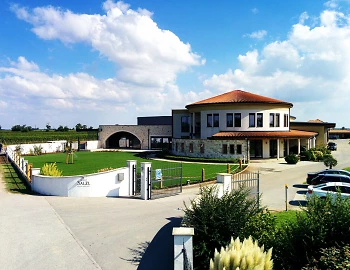
The Austrian winery Salzl Seewinkelhof is located in Illmitz, surrounded by the picturesque lakes and plains of the Neusiedlersee-Seewinkel National Park in Burgenland. A good hour’s drive from Vienna lies this family winery that also provides comfortable 4-star accommodation in an attached guesthouse with a pool.
The history of the winery dates back to 1840. Josef Salzl restructured the winery in the 1980s, focusing on the production of high-quality red wines and thus laying the foundation for today’s success. Since 2005, his son Christoph has also been fully involved in the operation of the winery. He is taking over the business step by step in order to continue the family tradition. Three generations are currently working hand in hand to produce authentic wines with the greatest passion and care according to the motto “enjoyment and joie de vivre”.
Zweigelt
Flatterer with a backbone
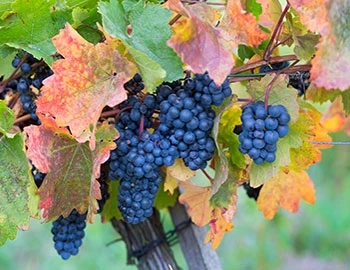
The Zweigelt is an Austrian original. Fritz Zweigelt crossed it in 1922 at the Klosterneuberg Orchard and Viniculture School ("Obst- und Weinbauschule Klosterneuburg") from the red varieties Blaufränkisch and Saint Laurent. Zweigelt's main quality is being marvellously drinkable. With its exuberant berry fruit and juicy structure, it fits like no other to the pleasurable lifestyle of our Austrian neighbours. One thinks, for example, of a hearty Brettjause in the wine tavern. It can, however, also assemble well with other grape varieties, and expand in wooden barrels for more backbone. No wonder it is the most planted grape variety in Austria. One curiosity: the Japanese island of Hokkaido grows 230 hectares of Zweigelt.
Burgenland
Burgenland: Reds, sweets and other wonders
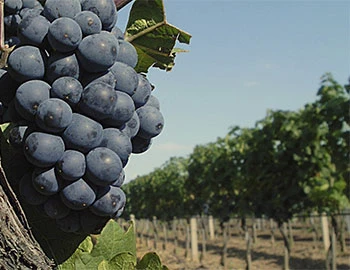
Burgenland is often referred to in Austria as the new wine world. In fact, wines – with exceptions like the nobly sweet Ruster Ausbruch – were almost entirely unknown here 20 years ago. Today, the most substantial red wines in Austria mature here. And the sweet wine scene is also stronger than ever before. Even the whites – for instance, in the Leitha Mountains – are on the upswing. The basis for this wine wonder are the various terroirs that overlay the land in a complex patchwork.
Austria
Austria – Sumptuous culture, accessible to all
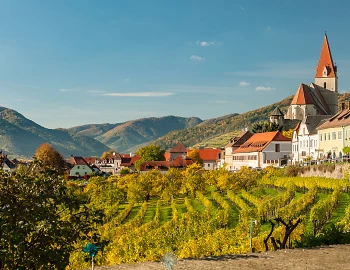
Austria is characterized by unbelievable topographical diversity. A flat steppe in the east, forests and hills in the Alpine regions, wetlands and Mediterranean landscapes in the south. This in addition to a rich tradition and even greater love. It’s no surprise that the Romans found joy on this patch of Earth and cultivated wine growing. Austrian wine is not abundant, but it is high quality.