
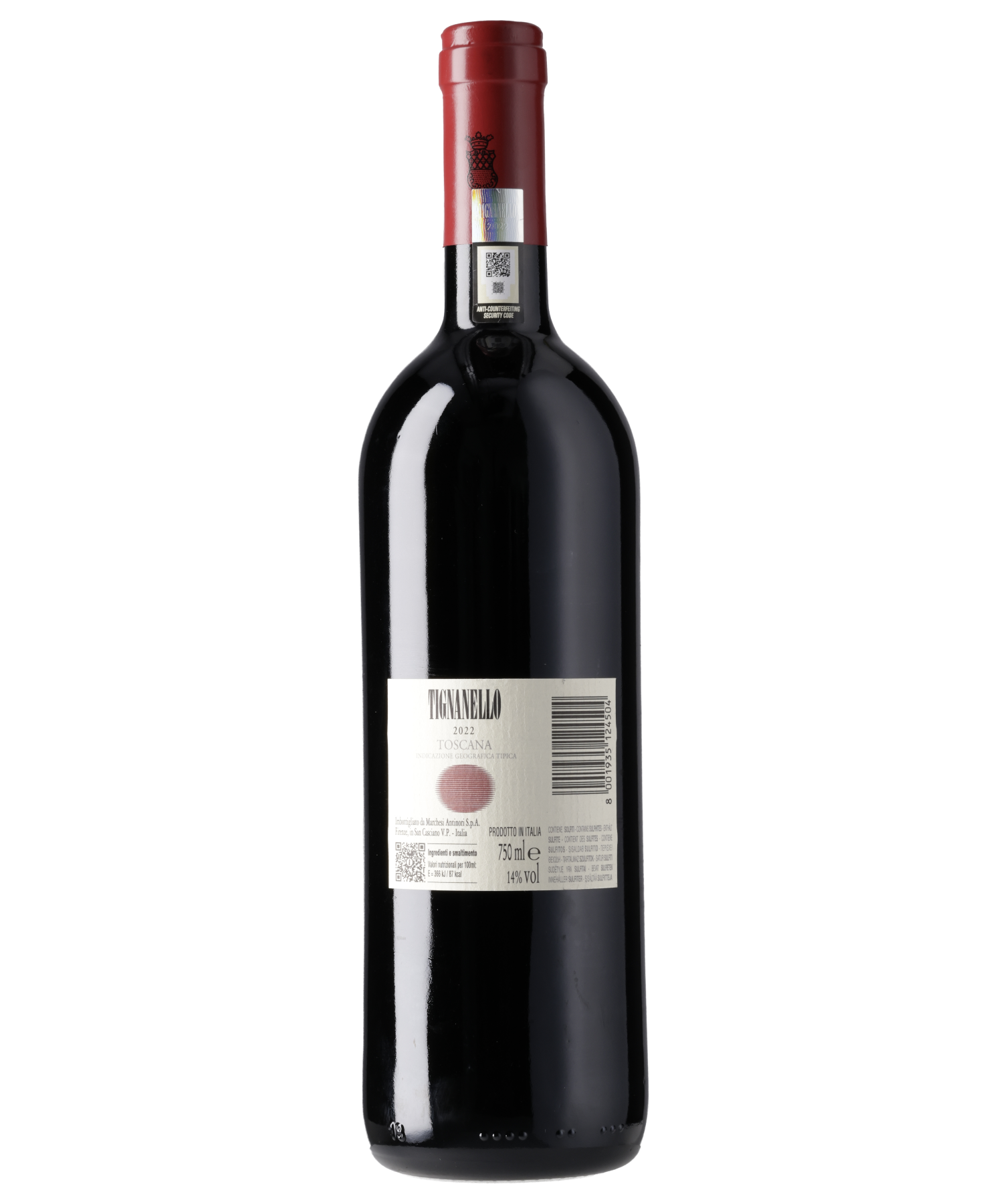
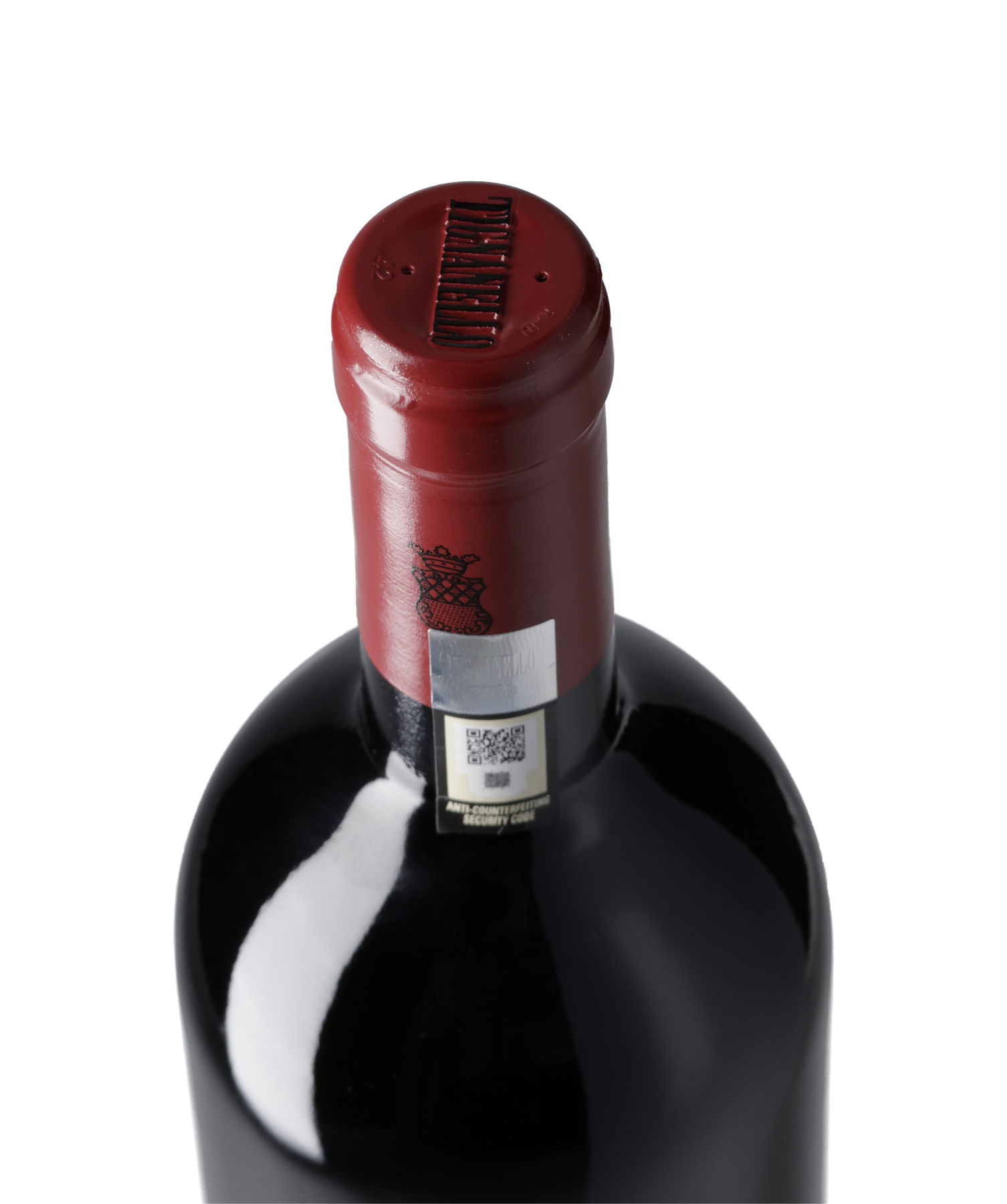
Tignanello 2022
IGT Toscana, Antinori, 750 ml


Description
Citing Robert Parker The Wine Advocate "Rich and fruit-forward, the Marchesi Antinori 2022 Tignanello very much respects the vintage that tends to deliver more concentration and volume overall. It delivers extra fruit weight with a velvety, satiny feel over a generous mouthfeel. Tignanello offers blackcurrant and cherry, but there is a mineral note that keeps things focused. This is a beautiful expression of the vintage, with excellent work done to execute soft tannins, texture and length."
Tasting – The Art of Wine Selection at the Baur au Lac

Meet over 20 wine and spirits producers, benefit from attractive special offers, and attend exclusive masterclasses featuring aged wines. Limited places available.
Sunday, November 15, 2026 | 2.00 pm until 7.00 pm
Monday, November 16, 2026 | 2.00 pm until 8.00 pm
Attributes
| Grape variety: | Sangiovese, Cabernet Sauvignon, Cabernet Franc |
| Producer: | Marchesi Antinori |
| Origin: | Italy / Toscana |
| Ripening potential: | 4 to 20 years |
| Drinking temperature: | 16 to 18 °C |
| Food Pairing: | Wild specialities, Bistecca fiorentina, T-Bone steak, Beef Stroganoff, Brasato di manzo al Barolo, Roast saddle of venison |
| Volume: | 14.0 % |
| Note: | Contains sulphites |
Cabernet Franc
Forefather of the Bordeaux varieties
The Cabernet Franc is one of the oldest varieties of Bordelais and a parent of three other red grapes in the Bordeaux assortment: Cabernet Sauvignon, Merlot and Carmenère. It is distinguished by its complex, flavourful bouquet of raspberry, graphite, violet, liquorice and white pepper. In addition, it presents round, crisp tannins which turn out less strongly than those of Cabernet Sauvignon. While the Cabernet Franc always appears as part of a blend in Bordeaux, it is pressed alone on the Loire. The most renowned appellations are Chinon and Bourgueil. Incidentally, the Cabernet originates not in Bordeaux but in the Spanish Basque Country. Cabernet owes its name to the Latin “carbon”, meaning black.
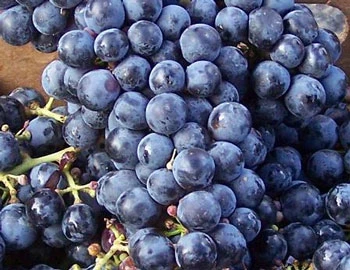
Cabernet Sauvignon
The backbone of Bordeaux
The Cabernet Sauvignon gives the Bordeaux its backbone, yielding deep violet wines with powerful tannins and endless ripening potential. It is the top dog in Médoc, and is placed in all five premier crus of Bordelais. When young, it often appears strict and unapproachable, but with advancing years, its tannins round off. It is wonderfully velvety, and yet always maintains its freshness. Typical flavours include cassis, graphite and cedar. Wherever Cabernet Sauvignon is found, Merlot is not far away. It complements the robust structure of Cabernet with softness, fruit and richness. The Cabernet Sauvignon is the most-exported vine in the world. It delivers persuasive qualities in Italy as an ingredient of the Super Tuscan, or as the flagship variety from California. There, it is lovingly titled “Cab Sauv”. Meat fans should be aware that it fantastically accompanies a grilled entrecôte. The family tree of Cabernet Sauvignon is surprising: its parents are Cabernet Franc and the white Sauvignon blanc.
Sangiovese
Epitome of Tuscany
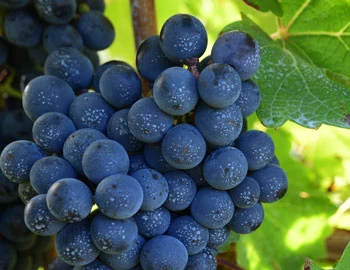
Sangiovese is Italy’s most important red grape variety and one of the most defining of the Italian wine landscape. Its origins likely date back to Etruscan times. For centuries, Sangiovese has been rooted in Tuscany, where it shapes renowned wine regions such as the Chianti area around Siena and Florence – forming the basis of world-famous wines. Today, the variety is widespread far beyond Tuscany across many regions of central and southern Italy, including Romagna, Umbria and Le Marche, and appears under different names and expressions depending on its origin, such as Brunello, Prugnolo Gentile or Morellino.The grape shows remarkable adaptability while being highly sensitive to site and climate. Even small differences in soil, altitude or microclimate, as well as berry and clonal variations, result in distinctly different wine styles. Aromatically, it is dominated by juicy cherries, red berries and plums, complemented by violets, herbs and subtle spice, often developing earthy notes with age. It is also characterised by vibrant acidity and firm, fine-grained tannins, giving the wines structure, freshness and excellent ageing potential.
Italy
Italy – Where wine is a way of life
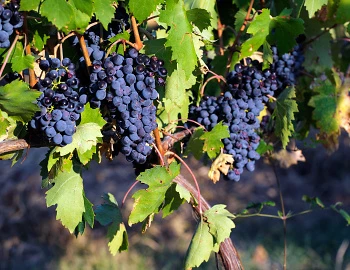
The Italian wine regions are extremely diverse, and this is made clear in their wines. Established varieties such as Merlot, Syrah, and Sauvignon can be found on just 15 percent of the total vine growing area. The remaining 85 percent is reserved for autochthonous, indigenous varieties. More than 2,000 different grape varieties are grown under diverse conditions and pressed with various techniques into wines that reach the top tier of the international wine market.