
Moncerbal 2023
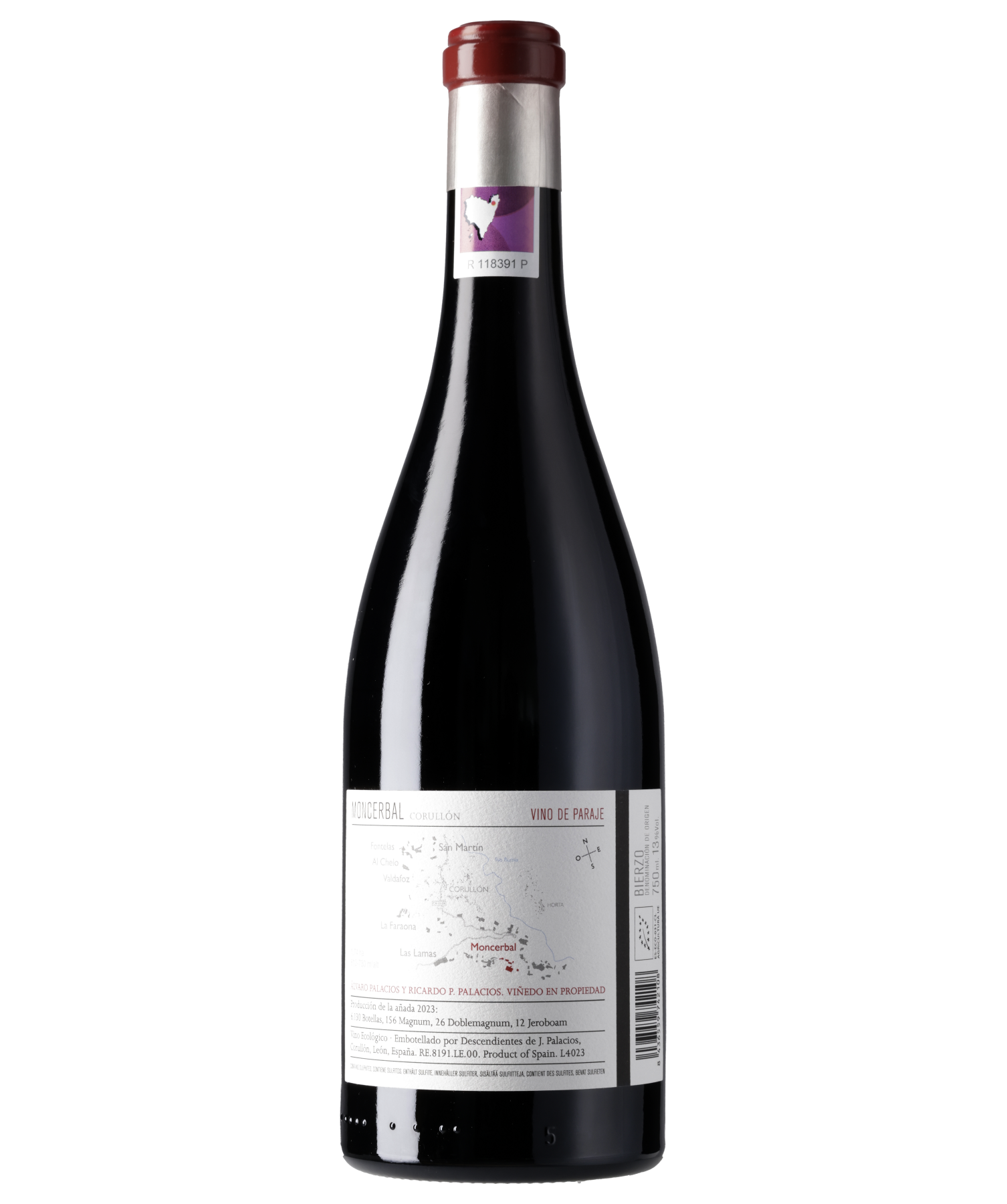
DO Bierzo, Descendientes de J. Palacios, 750 ml


Mencía at its best
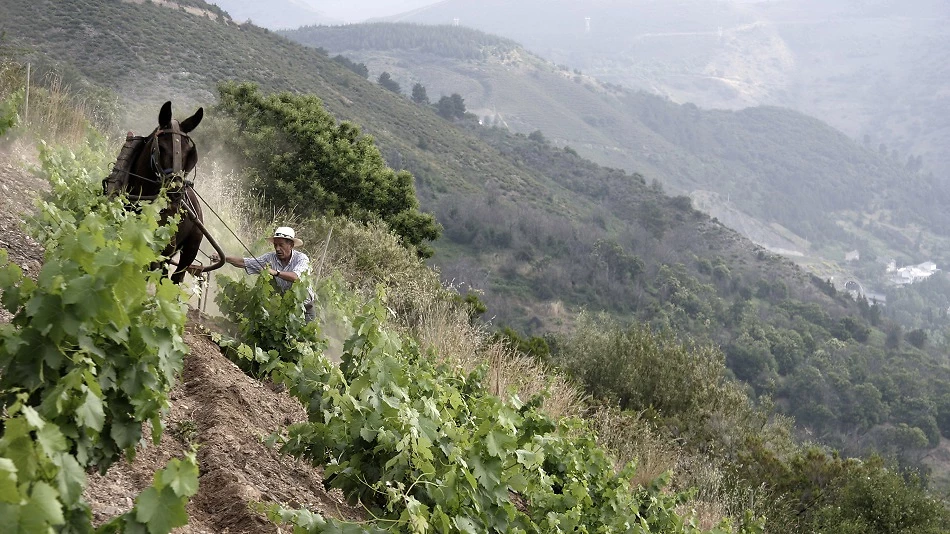
- Grown on steep slate slopes in Moncerbal, this Mencía expresses all the depth and beauty of the Bierzo region.
- Distinct ripe fruit, invigorating acidity and noticeable tannins – full of character and long-lasting on the palate, without being heavy.
- Ideal with game, spicy mushroom dishes and mature cheese.
Description
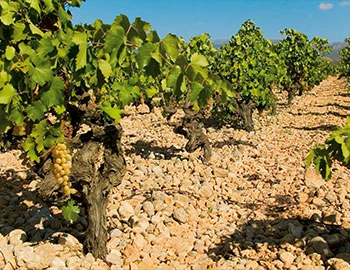
It comes from various plots in the municipality of Moncerbal. In total, there are one and a half hectares, mainly planted with Mencía, on steep slopes facing south-west. Slate dominates the soil, interspersed with quartzite, sandstone, clay and marble. In contrast to the cool, spicy Las Lamas, Moncerbal has a warmer character with lots of ripe fruit aromas, accompanied by invigorating acidity and slightly more pronounced tannins. It has a long finish on the palate, with intense aromas of sweet strawberries, vanilla, roasted nuts and eucalyptus. Whether young or mature, this wine will give wine lovers exceptional pleasure. It is recommended to decant it (especially when young). Perfect with rack of lamb with herb crust or creamy mushroom risotto. Mature hard cheese or Iberian ham also complement the wine's aromas perfectly.
Tasting – The Art of Wine Selection at the Baur au Lac

Meet over 20 wine and spirits producers, benefit from attractive special offers, and attend exclusive masterclasses featuring aged wines. Limited places available.
Sunday, November 15, 2026 | 2.00 pm until 7.00 pm
Monday, November 16, 2026 | 2.00 pm until 8.00 pm
Attributes
| Grape variety: | Mencia |
| Producer: | Descendientes de J. Palacios, S.L. |
| Origin: | Spain / Galicia / Bierzo |
| Other vintages: | 2022 |
| Label: | Vegan |
| Ripening potential: | 3 to 20 years |
| Drinking temperature: | 16 to 18 °C |
| Food Pairing: | Saddle of lamb fillet with herb jus, Roast veal with morel sauce, Roast saddle of venison |
| Vinification: | partly destemmed, fermentation with grapes' own yeast, fermentation in wooden barrel |
| Harvest: | hand-picking, strict selection |
| Maturation: | in used barriques, in large wooden barrel/foudre |
| Bottling: | no filtration |
| Maturation duration: | 10 months |
| Volume: | 13.0 % |
| Note: | Contains sulphites |
Descendientes de J. Palacios, S.L.
Welcome to Spain’s most famous unknown wine region: Bierzo! Even winemaker Ricardo Pérez Palacios, today one of the appellation’s most prominent ambassadors, did not really have the region on his radar – until he heard that Émile Peynaud, the French wine legend and father of modern oenology, once said that «Bierzo is the most French-like of all Spanish wine regions.»
An oenological Eldorado hidden in north-western Spain, destined to produce great wines. Ricardo was born in Rioja, and his uncle is Spain’s wine superstar Álvaro Palacios. Like him, he studied in Bordeaux and, like him, returned with the vision of crafting outstanding wines from unique vineyard sites.
The Bierzo wine region lies in the green north of Spain, on the border between Castilla y León and Galicia. Its humid climate, with frequent fog and rainfall, provides ideal conditions for the Mencía grape variety, whose origins remain not fully understood to this day. The oldest vines and the greatest genetic diversity of this variety are found in Bierzo.
Mencia
Mysterious origin, today widespread
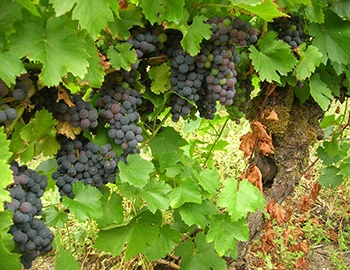
Mencia is a red, Spanish variety currently cultivated on an area of around 10,000 hectares. The origin of Mencia has not been definitively determined. It was long surmised that this vine was a mutation of the French Cabernet Franc, which came via the Way of St. James to Bordeaux. Nowadays, it is assumed that the Mencia cultivar is descended from an autochthonous native variety. Mencia is widespread throughout Galicia and Castile, and is confined almost exclusively to northwestern Spain.
Red wine derived from Mencia grapes is usually rather pale, intense in the nose, and smooth and fresh in the mouth.
Bierzo
Bierzo: to the top with the Mencia variety
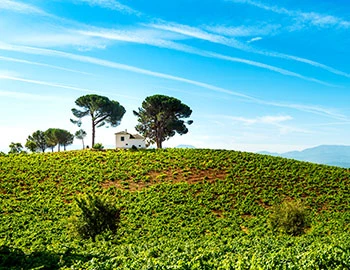
At the beginning of the 90s, the Bierzo region, which is crossed by the Camino de Santiago, was barely known in the international wine scene. It was only when new residents and investors began to bottles top crus from selected slopes, which perfectly united finesse and force, that interest in this region and its primary variety grew. This variety, Mencia, is considered one of the highest quality red wine varieties in the Iberian Peninsula.
Galicia
Galicia: shaped by the cool Atlantic
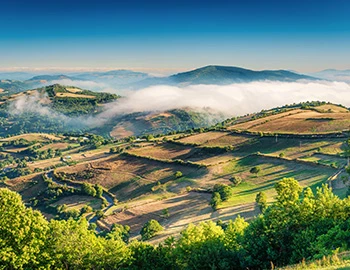
Situated in the far northwest of the Iberian Peninsula, Galicia is like a tip which pushes west toward the Atlantic Ocean, north of Portugal. In keeping with this exposed location, wines made here, with their fresh, straightforward character, depart strikingly from the general style of Spanish wines. With four cultivation areas with DO status, Galicia is drawing noticeably more international interest. White wines from autochthonous varieties are mostly produced here.
Spain
Spain – Variety and perfection
“Somewhere in la Mancha, in a place whose name I do not care to remember...,” begins Don Quixote's odyssey.
The most famous part is definitely when Don Quixote thinks windmills are his enemy and wants to fight them – until they nearly kill him. It’s possible there was a bit too much of the La Mancha wine at play. Spanish vines fight for their survival in rugged landscapes, battling fierce drought and rough soils. But they fight well.