
Brivio Brut Spumante
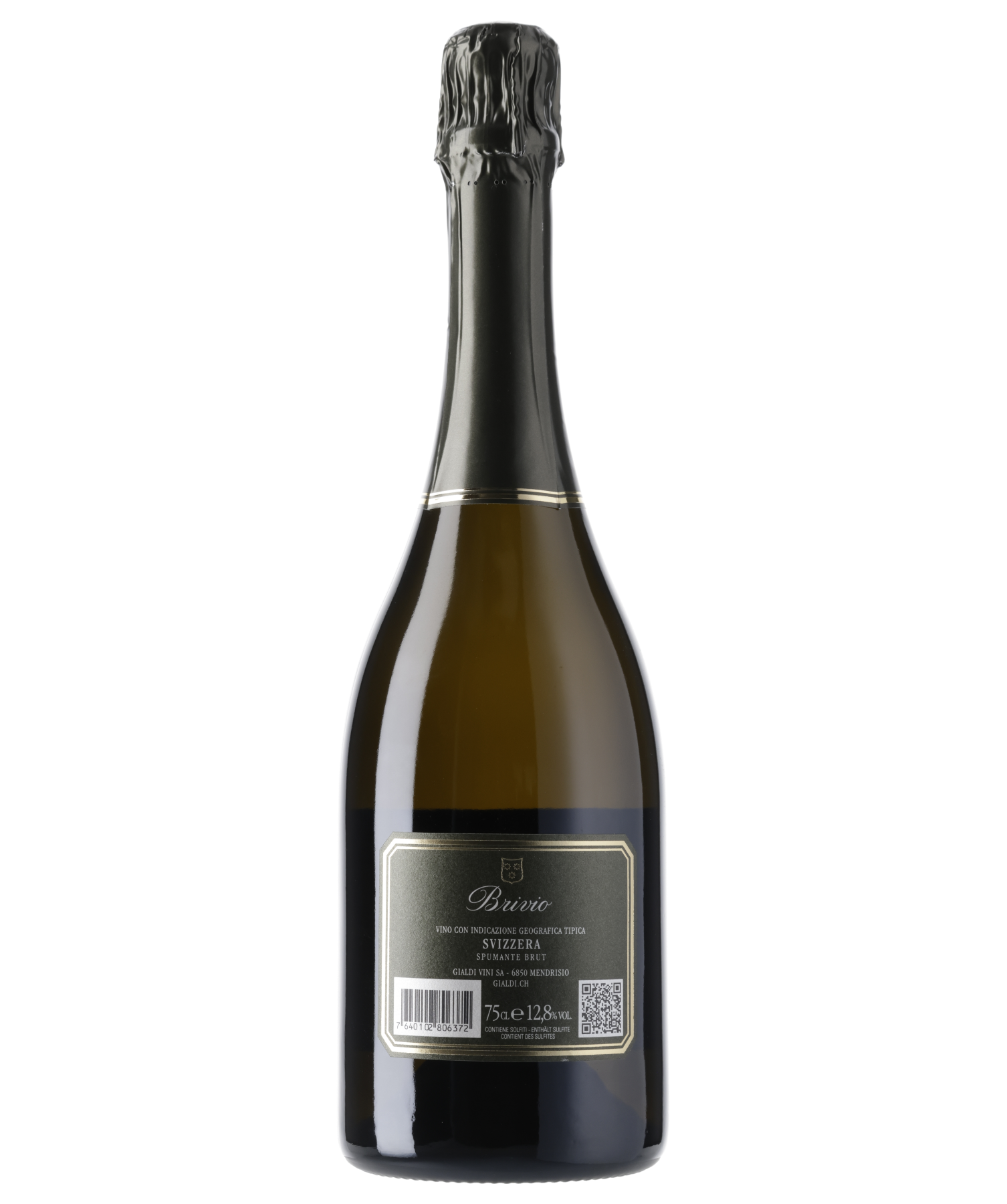
IGT Ticino, Brivio, 750 ml


Sparkling greetings from Ticino
- A charming Ticino spumante with a Mediterranean touch from the Sottoceneri region.
- Apple and citrus fruits, with subtle hints of almond; fresh, fruity and wonderfully harmonious.
- A delight when served with vegetable antipasti, Ticino goat’s cheese, fritto misto and risotto al limone.
Description
Guido Brivio’s Spumante Brut brings Switzerland’s sunniest region straight into your glass. The bouquet reveals delicate fruity aromas of apple and citrus. On the palate, it is fresh, fruity and harmonious, accompanied by a subtle hint of almond. The fine mousse and elegant perlage give it a pleasant mouthfeel and leave you longing for the next sip. A versatile sparkling wine that is perfect as an aperitif, with vegetable antipasti, Ticino fresh goat’s cheese, fritto misto or risotto al limone.
Tasting – The Art of Wine Selection at the Baur au Lac

Meet over 20 wine and spirits producers, benefit from attractive special offers, and attend exclusive masterclasses featuring aged wines. Limited places available.
Sunday, November 15, 2026 | 2.00 pm until 7.00 pm
Monday, November 16, 2026 | 2.00 pm until 8.00 pm
Attributes
| Grape variety: | Pinot Blanc, Merlot |
| Producer: | Brivio / Gialdi |
| Origin: | Switzerland / Tessin / Sottoceneri |
| Ripening potential: | 1 to 5 years |
| Drinking temperature: | 8 to 10 °C |
| Food Pairing: | Apéro pastries, Mussels au gratin, Goat's cheese, Risotto ai frutti di mare |
| Volume: | 13.0 % |
| Note: | Contains sulphites |
Brivio / Gialdi
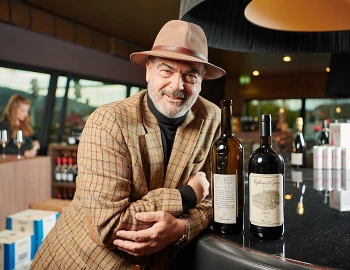
For most of wine lovers in Switzerland, the name Guido Brivio is no unknown. However, abroad, it is a different story. Only after many years in the trade has he become among the wine experts and professionals of New York or London an insider tip, so to say, from an infinitesimally tiny unknown corner in the great international wine world.
Although Guido’s grandfather was a wine merchant, he didn’t grow up in this industry, or even on a wine estate. At home, life didn’t revolve around grapes, but artichokes! His mother and uncle jointly possessed the Swiss production rights for Cynar. Only after studying business in London did the young Guido decide to study oenology in Bordeaux. His mother was delighted, as she saw that a certain family tradition could now continue. There then followed a stay in Sonoma Valley, California, where he became acquainted with American wine producers’ carefree, adventurous way of working.
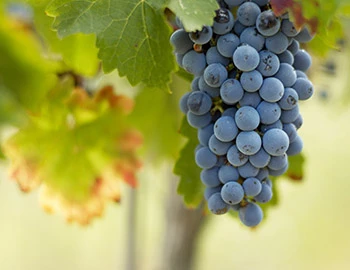
Merlot
Everybody’s darling
Merlot is the most charming member of the Bordeaux family. It shines with rich colour, fragrant fullness, velvety tannins and sweet, plummy fruit. It even makes itself easy for the vintner, as it matures without issue in cool years as well. This is in contrast to the stricter Cabernet Sauvignon, which it complements as a blending partner. Its good qualities have made the Merlot famous worldwide. At over 100,000 hectares, it is the most-planted grape in France. It also covers large areas in California, Italy, Australia and recently in Eastern Europe. The only catch is that pure Merlot varieties rarely turn out well. Its charm is often associated with a lack of substance. Only the best specimens improve with maturity. They then develop complex notes of leather and truffles. This succeeds in the top wines from the Bordeaux appellation of Pomerol and those from Ticino, among others.
Tessin
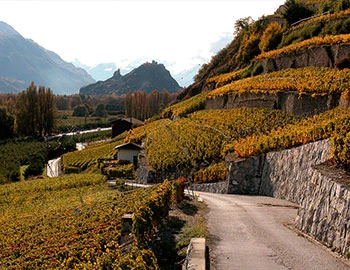
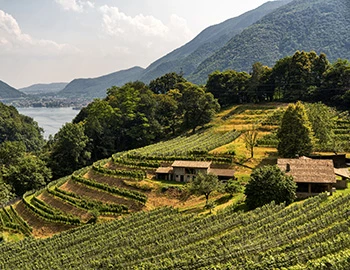
Ticino: the Merlot Mecca of Switzerland
Ticino winegrowing is thought to date from Roman times, as early as 2000 years ago. But the foundation for today’s viticulture was laid just over 100 years ago, in 1907. It was then that the first Merlot vines were planted at Castelrotto in Malcantone. Since then, the variety has emerged triumphant here. Top selections matured in barriques more than measure up to those from Bordeaux’s Saint-Émilion or Pomerol regions.
Switzerland
Switzerland – A small country with enormous diversity
Switzerland is famous for its banks, watches, and cheese, but not necessarily for its wine. The Swiss didn't invent wine, but they have been extremely open and curious to it. Wine culture arrived in what is now modern Switzerland via several routes: from Marseilles to Lake Geneva and the Lower Valais region; from the Aosta Valley through the Great St. Bernard Pass to the rest of Valais; from the Rhone through Burgundy, across the Jura Mountains to Lake Constance; and from Lombardy to Ticino, and then on to Grisons.