
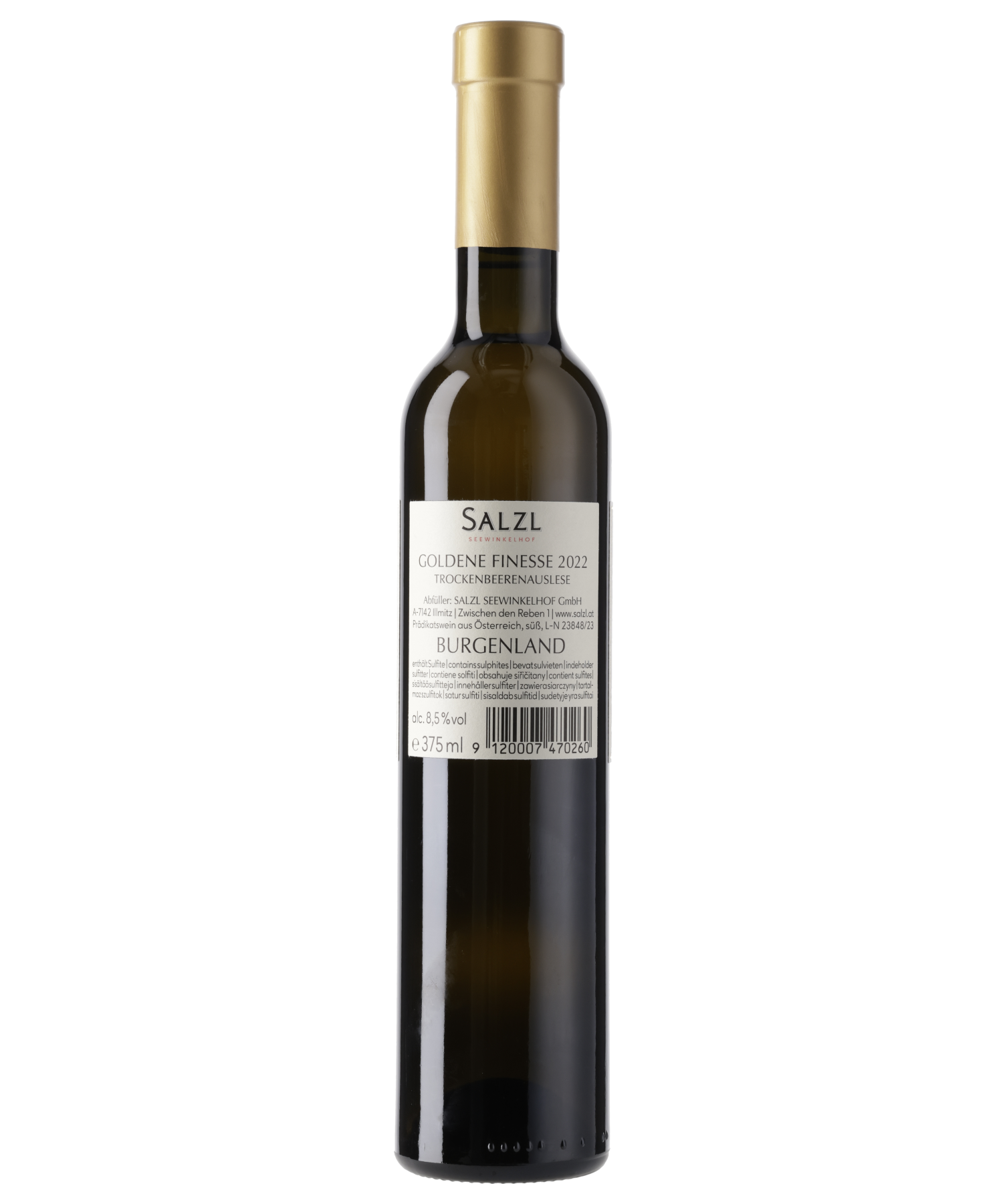
Goldene Finesse 2022
QWs Burgenland, Salzl Seewinkelhof, 375 ml


Liquid gold
- Low yield, high character: just one decilitre of wine is produced from one square metre of vineyard.
- Seductive sweetness meets fruit, spice and fresh acidity.
- Pairs well with soft and blue cheeses, fruity desserts or chocolate.
Description
This speciality will give pleasure for many years to come. The yield for this sweet elixir is only ten hectolitres per hectare - which means that one square metre yields just one decilitre of wine! This noble sweet wine is correspondingly concentrated and expressive. Made from Chardonnay and predominantly Sämling 88 (Scheurebe), it delights with the typically opulent aromas of this grape variety. On the nose, ripe pears, peaches and exotic fruits entice the senses, accompanied by elderflower, honey and orange zest. On the palate, it shows generous sweetness, subtle spice and well-structured acidity. Served slightly chilled, it is a dreamy accompaniment to soft and blue cheeses, fruity desserts or as a delightful way to round off a special day.
Tasting – The Art of Wine Selection at the Baur au Lac

Meet over 20 wine and spirits producers, benefit from attractive special offers, and attend exclusive masterclasses featuring aged wines. Limited places available.
Sunday, November 15, 2026 | 2.00 pm until 7.00 pm
Monday, November 16, 2026 | 2.00 pm until 8.00 pm
Attributes
| Grape variety: | Sämling 88, Chardonnay |
| Producer: | Salzl |
| Origin: | Austria / Burgenland / Neusiedlersee |
| Ripening potential: | 1 to 20 years |
| Drinking temperature: | 10 to 12 °C |
| Food Pairing: | Chocolate and chocolate dessert, Fruit tart, White cheese |
| Volume: | 8.5 % |
| Note: | Contains sulphites |
Salzl
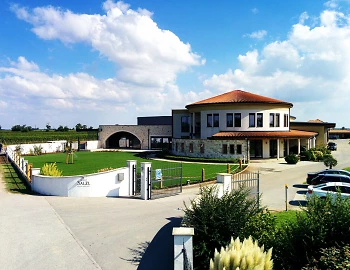
The Austrian winery Salzl Seewinkelhof is located in Illmitz, surrounded by the picturesque lakes and plains of the Neusiedlersee-Seewinkel National Park in Burgenland. A good hour’s drive from Vienna lies this family winery that also provides comfortable 4-star accommodation in an attached guesthouse with a pool.
The history of the winery dates back to 1840. Josef Salzl restructured the winery in the 1980s, focusing on the production of high-quality red wines and thus laying the foundation for today’s success. Since 2005, his son Christoph has also been fully involved in the operation of the winery. He is taking over the business step by step in order to continue the family tradition. Three generations are currently working hand in hand to produce authentic wines with the greatest passion and care according to the motto “enjoyment and joie de vivre”.
Chardonnay
King or beggar?
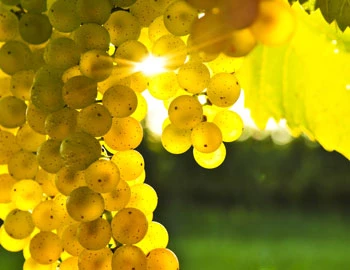
Hardly any variety of vine shows such a broad spectrum of quality as the Chardonnay. Its wines range from faceless neutrality to breath-taking class. It is an extremely low-maintenance vine, which explains why it is grown around the world – even in places where it probably should not be. The aromas of the Chardonnay variety are not very pronounced: a bit of green apple, a little hazelnut; in warmer latitudes, also melon and exotic fruits. The wines are often defined by maturing in casks. They develop more or less subtle notes of butter, toasted bread and vanilla. The grapes achieve their highest expression in their region of origin, Burgundy. Its heart beats in the Côte de Beaune: one might think of the plant growth of Meursault or Puligny-Montrachet. With their finesse and complexity, they can survive for decades. Chardonnay also achieves first class in some Blanc-de-Blancs champagnes. It additionally yields great wines in the Burgundian Chablis, and increasingly in Australia and Chile. A simple rule of thumb for pairing with food: When butter and cream are involved, you cannot go wrong with Chardonnay.
Burgenland
Burgenland: Reds, sweets and other wonders
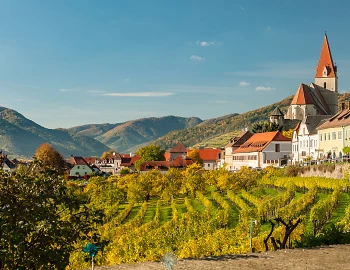
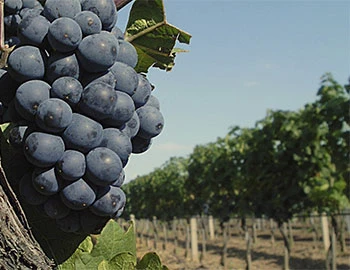
Burgenland is often referred to in Austria as the new wine world. In fact, wines – with exceptions like the nobly sweet Ruster Ausbruch – were almost entirely unknown here 20 years ago. Today, the most substantial red wines in Austria mature here. And the sweet wine scene is also stronger than ever before. Even the whites – for instance, in the Leitha Mountains – are on the upswing. The basis for this wine wonder are the various terroirs that overlay the land in a complex patchwork.
Austria
Austria – Sumptuous culture, accessible to all
Austria is characterized by unbelievable topographical diversity. A flat steppe in the east, forests and hills in the Alpine regions, wetlands and Mediterranean landscapes in the south. This in addition to a rich tradition and even greater love. It’s no surprise that the Romans found joy on this patch of Earth and cultivated wine growing. Austrian wine is not abundant, but it is high quality.