
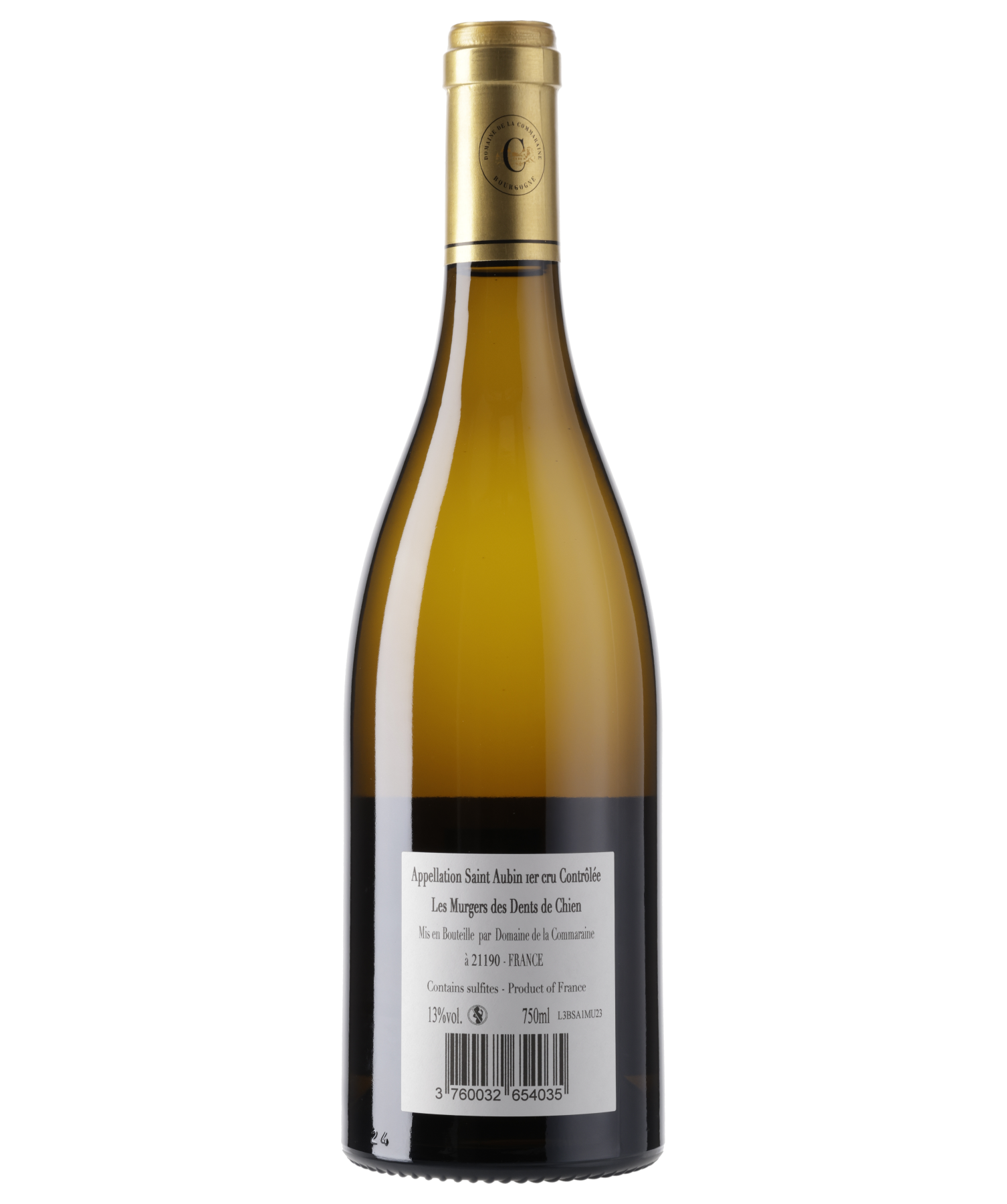
Saint Aubin, 1er Cru Les Murgers des Dents de Chien blanc 2023
AC, Domaine de la Commaraine, 750 ml


Description
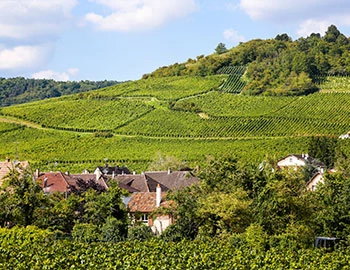
An impressive white wine debut from the Domaine de la Commaraine! The name Dents de Chien (French for ‘dog's teeth’) alludes to the striking geology of the region, whose landscape is reminiscent of a dog's teeth. This Premier Cru site in Saint-Aubin, directly neighbouring Puligny-Montrachet, is one of the best in the appellation and enjoys an excellent reputation. The Domaine de la Commaraine was recently able to acquire a few acres from the site and presents an expressive white wine with this Premier Cru: complex, terroir-orientated and impressively balanced. The bouquet delights with yellow stone fruit, white flowers and fine mineral nuances. On the palate, it is opulent and fresh at the same time, with perfectly balanced fruit and oak notes. A wine that is great fun both young and mature.
Attributes
| Grape variety: | Chardonnay |
| Producer: | Domaine de la Commaraine |
| Origin: | France / Bourgogne / Côte de Beaune |
| Ripening potential: | 3 to 12 years |
| Drinking temperature: | 10 to 12 °C |
| Food Pairing: | Fresh water fish with cream sauce, Coquilles Saint Jacques on lentils, Succulent chicken breast with cream sauc |
| Volume: | 13.0 % |
| Note: | Contains sulphites |
Chardonnay
King or beggar?
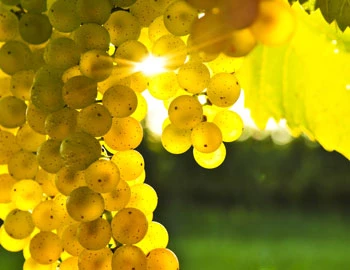
Hardly any variety of vine shows such a broad spectrum of quality as the Chardonnay. Its wines range from faceless neutrality to breath-taking class. It is an extremely low-maintenance vine, which explains why it is grown around the world – even in places where it probably should not be. The aromas of the Chardonnay variety are not very pronounced: a bit of green apple, a little hazelnut; in warmer latitudes, also melon and exotic fruits. The wines are often defined by maturing in casks. They develop more or less subtle notes of butter, toasted bread and vanilla. The grapes achieve their highest expression in their region of origin, Burgundy. Its heart beats in the Côte de Beaune: one might think of the plant growth of Meursault or Puligny-Montrachet. With their finesse and complexity, they can survive for decades. Chardonnay also achieves first class in some Blanc-de-Blancs champagnes. It additionally yields great wines in the Burgundian Chablis, and increasingly in Australia and Chile. A simple rule of thumb for pairing with food: When butter and cream are involved, you cannot go wrong with Chardonnay.
Côte de Beaune
Côte de Beaune: guarantor of elegance
The city of Beaune is the cultural and economic centre of Burgundy. The prestigious vineyard sites, stretching in a band from Santenay (located about 20 kilometres south of Beaune) to the village of Aloxe-Corton (five kilometres north of Beaune), form the Côte de Beaune. Legendary, uniquely expressive crus originate here. In fact, the most prestigious Chardonnay growths in the world are produced around Chassagne-Montrachet, Puligny-Montrachet and Meursault.
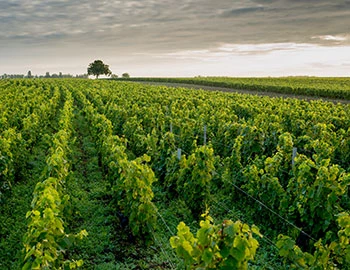
Bourgogne
Burgundy: home of the crus
Burgundy and Bordeaux are France’s most prestigious wine regions. Nonetheless, they are completely distinct in character: while Bordeaux, as the land of the chateaux, enjoys an aristocratic image, Burgundy has retained its rustic agrarian structure. Burgundy stretches for over 200 kilometres, from Dijon in the north to Lyon in the south. In a highly complex jigsaw of the most diverse of terroirs, Chardonnay and Pinot Noir demonstrate the subtle ways in which they embody their sources.
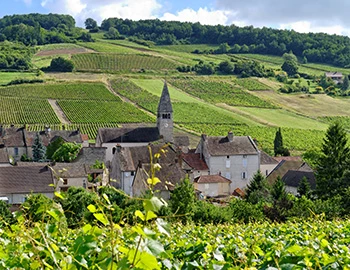
France
France – Philosophy in a bottle
According to French philosophy, wine should be an expression of the soil and climate. They use the word “terroir” to describe this. Terroir makes every wine different, and many especially good. French wine is regarded worldwide as an expression of cultural perfection. The French believe that humans are responsible for the quality of the berries, the vine variety for their character, and nature for the quantity. This philosophy can be expressed succinctly as: “the truth is the vineyard, not the man.”