
2,436 results for “dominio de es”
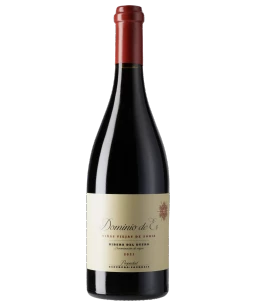
Viñas Viejas de Soria 2021
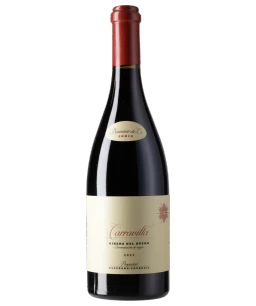
Carravilla 2021
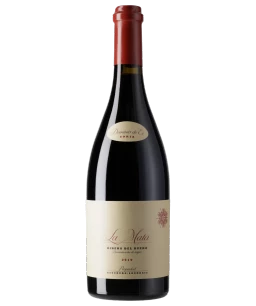
La Mata 2019
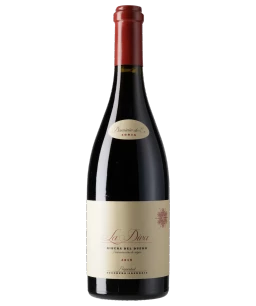
La Diva 2019
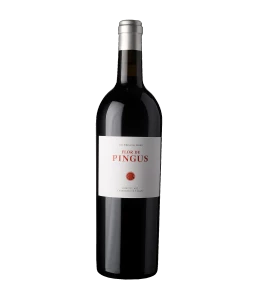
Flor de Pingus 2021
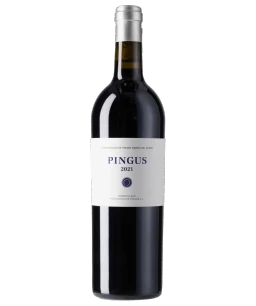
Pingus 2021
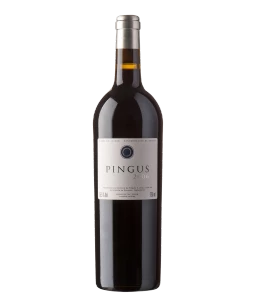
Pingus 2020
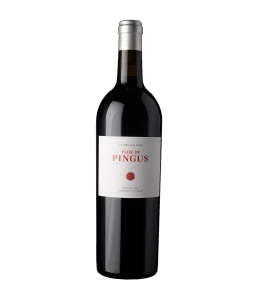
Flor de Pingus 2021
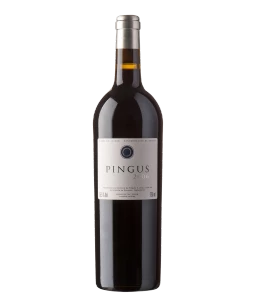
Pingus 2021
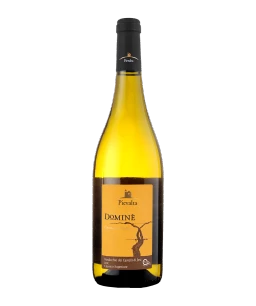
Dominè, Verdicchio dei Castelli di Jesi 2021
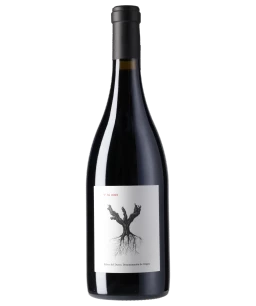
Psi by Pingus 2022
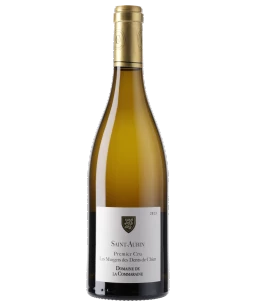
Saint Aubin, 1er Cru Les Murgers des Dents de Chien blanc 2023
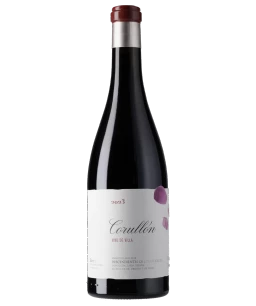
Villa de Corullón 2023
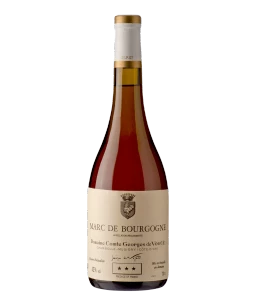
Marc de Bourgogne
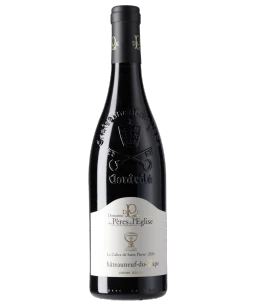
Calice de Saint Pierre 2024
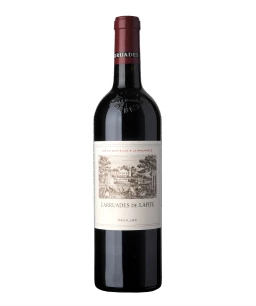
Les Carruades de Lafite 2022
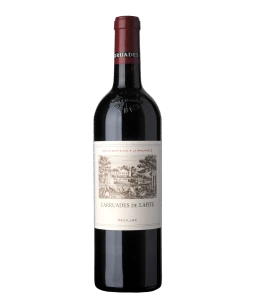
Les Carruades de Lafite 2025
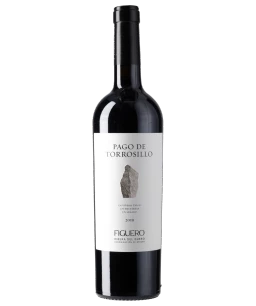
Pago de Torrosillo (Ex Noble) Figuero 2019
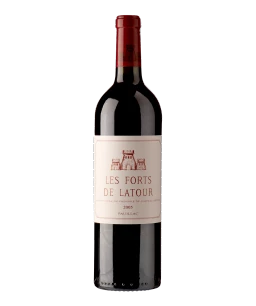
Les Forts de Latour 2019
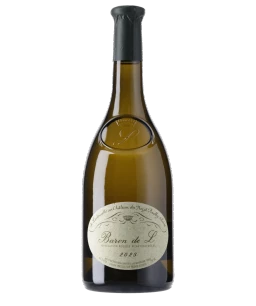
Pouilly-Fumé Baron de L 2023
Dominio de Es
Dominio de ES is a hidden gem in the Ribera del Duero region. With its small production and uncompromising quality philosophy, the winery stands for ancient vineyards, biodynamic practices and a deep understanding of terroir. The wines are produced in the remote village of Atauta in the far east of the appellation, near Rioja – one of the coolest and most unspoilt parts of the Ribera.
Bertrand Sourdais, a winemaker from Chinon on the Loire, is responsible for this, together with his partner Olga Escudero. During his time in Atauta, originally to set up Bodegas Antidoto, Sourdais discovered the exceptional old plots that …
www.bauraulacvins.ch/en/dominio-de-es-_content---1--3679--3679.html
Dominio de Pingus
The first Pingus was bottled in 1995. This limited production wine from Ribera del Duero made history with a legendary rating from Robert Parker Junior (1998): "One of the greatest young red wines I have ever tasted." The vintage is also at the centre of a somewhat mythical-sounding story – the freighter carrying a quarter of the limited production sank off the Azores, with the wine ending up in Davy Jones's locker at the bottom of the sea.
Peter Sisseck, alias Pingus Peter Sisseck, alias Pingus, was born in Copenhagen in 1962. His uncle, oenologist Peter Vinding-Diers who managed Château Rahoul in Bordeaux, awakened Peter's interest in wine at an early age. The 21-…
www.bauraulacvins.ch/en/dominio-de-pingus-_content---1--989--10048345.html
Domaine des Pères de l'Eglise
In 1933, the winegrowers and wine merchants of Châteauneuf-du-Pape were the first to impose quality rules relating to the cultivation and production of wines that would bear the name Châteauneuf-du-Pape. The geographic definition of the cultivation area, along with the other regulations, is still in force today, in order to guarantee the wine quality for connoisseurs. The Gradassi family of the Domaine des Pères de l’Église is following the tradition, but with the fresh impetus provided by the young fourth generation.
The fourth generation is represented by Laetitia, who after completing a course in business studies spent two years in Australia and New Zealand, in order to gather experience in wineries there. In 2014, she joined her father and uncle in t…
www.bauraulacvins.ch/en/domaine-des-peres-de-l-eglise-_content---1--872--11157800.html
Quinta de la Rosa
Portugal and England have engaged in wine trading since the 14th century. Over the course of time, the British also settled in Portugal, establishing agricultural estates (quintas) to grow wine, and founding large trading companies in Porto. The Bergqvist family are descendants of these settlers, still involved in production and trade on the strength of innovative ideas and great commitment.
Quinta de la Rosa is headed by Sophia Bergqvist. She is the granddaughter of Claire Feuerheerd, who received Quinta de la Rosa as a christening gift from her English grandmother. Sophia's father, Tim Bergqvist, took over the management …
www.bauraulacvins.ch/en/quinta-de-la-rosa-_content---1--860--11137716.html
Domaine de Cabasse
This winery is situated amidst vines between the towns of Séguret and Sablet, a half-hour drive from Orange, or Châteauneuf-du-Pape. The origins of the Domaine de Cabasse date back to when the Papal seat was in Avignon. Over time, the original Italian name Casa Bassa (the house below the village) became Cabasse.
In 1990, the Swiss Häni family acquired the domaine and worked continuously to establish the reputation it enjoys today. In 2012, the Baudry family bought the entire hotel and winery and continues to manage it with the same attention t…
www.bauraulacvins.ch/en/domaine-de-cabasse-_content---1--889--11168712.html
Domaine de la Commaraine
The beauty behind the walls of Château Commaraine
The Burgundian municipality of Pommard has a classic, historic ambience with most of the buildings and walled vineyards (clos) intact, exuding a peaceful and tranquil atmosphere. The small, romantic village square conveys a slightly exotic feeling to its visitors – an unusual sensation in rural Burgundy indeed!
Clos de la Commaraine, a Monopole Premier Cru just outside the village centre of Pommard is an incredible vineyard waiting to be rediscovered. It is an outstanding estate in every respect, with a beautiful château in the southern part…
www.bauraulacvins.ch/en/domaine-de-la-commaraine-_content---1--3587--3587.html
Domaine de Ferrand
Philippe Bravay represents the fourth generation of the family that owns Domaine de Ferrand. The winery can be traced back to the 17th century. Philippe’s parents sold the grapes to wine merchants. But he decided to press and bottle his own wine.
7.5 hectares lie in the north of the Châteauneuf-du-Pape appellation, 10 hectares in the Côte-du-Rhône appellation. These include very old vineyards planted by his great-grandfather in 1904, 1910 and 1920; as usual in the …
www.bauraulacvins.ch/en/domaine-de-ferrand-_content---1--990--10177754.html
Bodegas y Viñedos Artadi de Laguardia
In Rioja Juan Carlos López de Lacalle, oenologist and founder of the Artadi group, has succeeded in making unique wines in an exciting and creative way. This is not least thanks to a distinctive style and his passion for environmentally friendly viticultural methods, which guarantee the future of winemaking and the authenticity of his wines.
This private cooperative project was founded by a group of winemakers in 1985, and has since 1992 been owned by the Lacalle y Laorden family. The vineyards, some of which are over 90 years old and are mainly planted with the Tempranillo gra…
www.bauraulacvins.ch/en/bodegas-y-vinedos-artadi-de-laguardia-_content---1--3627--3627.html
De Toren
De Toren is one of the first wineries in South Africa to producing classic Bordeaux-style wines. Since its foundation, the De Toren vision has been and remains the reinterpretation of the Bordeaux concept and to create unique South African wines from the five grape varieties Cabernet Sauvignon, Merlot, Cabernet Franc, Malbec and Petit Verdot. De Toren is one of the first wineries in South Africa to producing classic Bordeaux-style wines. Since its foundation, the De Toren vision has been and remains the reinterpretation of the Bordeaux concept and to create unique South African wines from the five grape varieties Cabernet Sauvignon, Merlot, Cabernet Franc, Malbec and Petit Verdot.
This acclaimed winery is located at the highest point of the Polkadraai Road in the Polkadraai Hills, boasting a view over False Bay and onward to the Atlantic Ocean.
www.bauraulacvins.ch/en/de-toren-_content---1--968--10152729.html
Quinta de Passagem
Starting from the heart of the Douro Valley and following the course of the Douro River upstream, you reach the area known as the Douro Superior, which borders Spain. It was here that the Bergqvist family acquired Quinta de Passagem in 2005, located close to the river, not far from the village of Pocinho. Their partner in this joint venture is Jorge Moreira, a long-standing oenologist at Quinta de la Rosa.
Nine hectares are old vineyards planted with a mixture of indigenous grape varieties bearing rarely heard names: Viosinho, Gouveio, Rabigato and Códega do Larinho for the whites, and Tinta Barroca, Tinta Cão and Tinta Roriz fo…
www.bauraulacvins.ch/en/quinta-de-passagem-_content---1--3677--3677.html