

Barolo La Ginestra 2019
DOCG, Paolo Conterno, 750 ml


Great classic
- Perfectly matured Barolo, which unfolds the complex aromas of the Nebbiolo grape.
- Rose, violet, licorice – seductive. Powerful and fresh on the palate, with delicate notes of dried plums and cherries.
- Delicious with stews and truffle dishes – allow the wine to breathe a little before serving.
Description
This outstanding Piedmontese wine impressively demonstrates how fascinating a perfectly matured Barolo can be – when the demanding Nebbiolo grape opens up and unfolds its complex aromas. Rose, violet, liquorice and mint seductively rise to the nose. Powerful on the palate, with juicy acidity and rich tannins, it unfolds delicate notes of dried plums and Amarena cherries. A Barolo with style, depth and character. Perfect with braised lamb shoulder with herbs, truffle risotto or mature Taleggio cheese. Also a delight with vegetarian dishes – such as porcini tagliatelle, aubergine involtini or polenta with mature hard cheese.
Tasting – The Art of Wine Selection at the Baur au Lac

Meet over 20 wine and spirits producers, benefit from attractive special offers, and attend exclusive masterclasses featuring aged wines. Limited places available.
Sunday, November 15, 2026 | 2.00 pm until 7.00 pm
Monday, November 16, 2026 | 2.00 pm until 8.00 pm
Attributes
| Grape variety: | Nebbiolo |
| Producer: | Paolo Conterno |
| Origin: | Italy / Piemont / Barolo |
| Other vintages: | 2017 |
| Label: | Vegan |
| Ripening potential: | 4 to 15 years |
| Drinking temperature: | 16 to 18 °C |
| Food Pairing: | Brasato di manzo al Barolo, Wild specialities, Wild boar entrecôte with Spätzli, Spicy hard cheese, Tagliatelle al tartufo |
| Vinification: | fully destemmed, Pumping over, long must fermentation |
| Harvest: | hand-picking |
| Maturation: | in large wooden barrel/foudre |
| Maturation duration: | 42 months |
| Volume: | 15.5 % |
| Note: | Contains sulphites |
Paolo Conterno
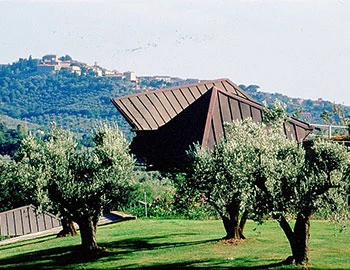
The history of the Paolo Conterno winery dates back to 1886. With the founding of Casa della Ginestra in Monforte d'Alba, Paolo Conterno laid the foundation for a family tradition that is now continued in the fourth generation by Giorgio Conterno. The focus has always been on producing wines that authentically reflect their origin, character and vintage.
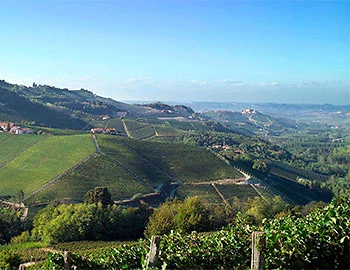
Deeply rooted in the hills of the Langhe, the estate is located in the historic Ginestra cru – the place where the family comes from and which remains at the heart of the estate to this day. The vineyards extend over an altitude of 300 to 350 metres, with a predominantly south to south-east exposure. Calcareous clay soils, interspersed with chalk and mineral deposits, characterise the terroir here. Combined with a special microclimate – warm days, cool nights and constant ventilation – this creates ideal conditions for expressive, structured wines.
Nebbiolo
Proud Piedmontese
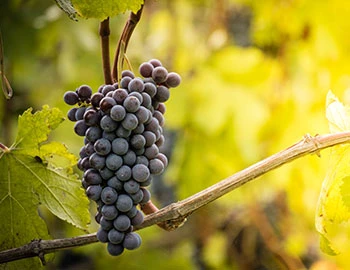
It’s the king of Piedmont: the most sought-after wines come from Nebbiolo. It reaches its highest expression in Barolo and Barbaresco. Its acidic, tannin-rich wines in its youth are often unapproachable. With maturity, however, it develops an ethereal bouquet of cherry, liquorice, violet and rose, as well as truffles, tar and forest floor. Nebbiolo takes its name from the Italian “Nebbia”, meaning fog. This not because of the weather in Piedmont, but due to the whitish film on the ripe, red berries. It was first mentioned by this name in the 13th century. Much like the Pinot noir, Nebbiolo can precisely reflect its terroir, but only if it is really pleased with where it is. It likes cool climates and calcareous soils. Attempts have been made to transplant it, for example, to California, but the results were disappointing. It feels most comfortable in the hills of northern Italy.
Italy
Italy – Where wine is a way of life
The Italian wine regions are extremely diverse, and this is made clear in their wines. Established varieties such as Merlot, Syrah, and Sauvignon can be found on just 15 percent of the total vine growing area. The remaining 85 percent is reserved for autochthonous, indigenous varieties. More than 2,000 different grape varieties are grown under diverse conditions and pressed with various techniques into wines that reach the top tier of the international wine market.