
Barolo Rocche dell'Annunziata 2017
DOCG, Rocche Costamagna, 750 ml


Description
Intense garnet colour with brilliant hue when young. A harmonious and expressive bouquet of plum, vanilla and light tobacco, with touches of violet . The mouthfeel is both elegant and delicious thanks to its balance of tannin and concentration, ripe fruit, and beautiful aromatic expression. This wine has real style.
Attributes
| Producer: | Rocche Costamagna / Alessandro Locatelli |
| Origin: | Italy / Piemont / Barolo |
| Other vintages: | 2020 |
| Site / vineyard: | Rocche dell'Annunziata |
| Label: | Vegan |
| Ripening potential: | 3 to 10 years |
| Drinking temperature: | 16 to 18 °C |
| Maturation duration: | 24 months |
| Volume: | 14.5 % |
| Note: | Contains sulphites |
Rocche Costamagna / Alessandro Locatelli
The wines of Rocche-Costamagna are a result of the perfect interplay of geographical location, meticulous care both in the vineyard and in the cellar, and decades of experience.
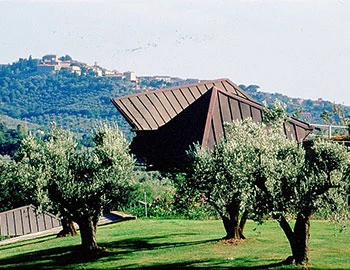
The term "Rocche" usually refers to a natural hilly landscape. In this case, it refers to a privileged wine-growing area, the family's historic cru, called "Rocche dell'Annunziata" (covering 6 of the 14 hectares of the family estate).
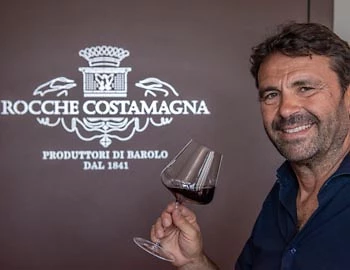
"Costamagna" is the family name of the winery owners in La Morra, where high quality wines have been produced and distributed for over 160 years. The evidence for this centuries-old tradition is a document dating back to 1841: a retail licence for the wines from the estate's own vineyards. Since the late 1960s, the business has been run by Claudia Ferraresi, the granddaughter of the widow Costamagna, accompanied by her husband Giorgio. Today, their son Alessandro Locatelli is in charge, assisted by agronomist Gian Piero Romana and oenologist Giuseppe Caviola.
Italy
Italy – Where wine is a way of life
The Italian wine regions are extremely diverse, and this is made clear in their wines. Established varieties such as Merlot, Syrah, and Sauvignon can be found on just 15 percent of the total vine growing area. The remaining 85 percent is reserved for autochthonous, indigenous varieties. More than 2,000 different grape varieties are grown under diverse conditions and pressed with various techniques into wines that reach the top tier of the international wine market.