
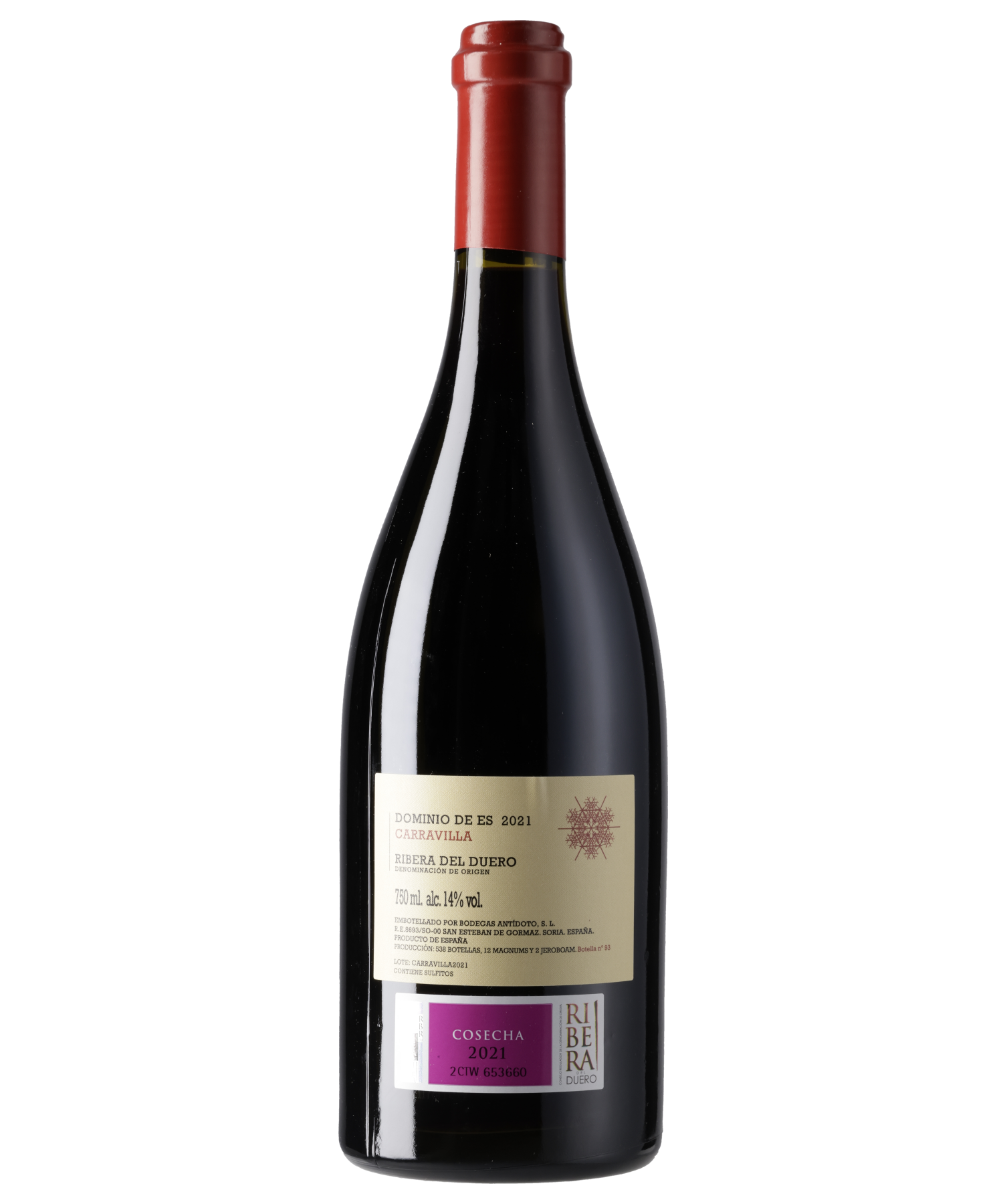
Caravilla 2021
DO Ribera del Duero, Dominio de Es, 750 ml


A great Tempranillo show
- Old Tempranillo vines, limestone and Burgundy barriques: refined and strictly limited.
- Floral and herbaceous; juicy on the palate, mineral, with lively freshness, silky tannins and a long finish.
- Pairs well with pink roasted duck, lentils with Mediterranean spices, delicate poultry dishes, beef and lamb.
Description
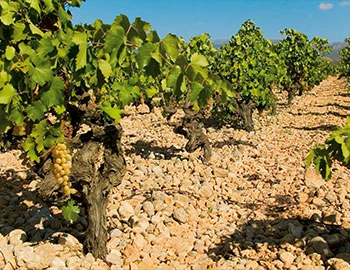
Caravilla combines energy and lightness, presenting itself as balanced and elegant without losing any of its power. The old Tempranillo vines come from high-altitude plots on pure limestone. The small proportion of Albillo and the ageing exclusively in used Burgundy barriques give the wine great finesse. Production is strictly limited. The nose reveals floral notes and delicate herbs. On the palate, the wine is juicy and mineral at the same time. Lively freshness, exceptionally silky tannins and balanced power ensure an elegant, long, aromatic finish. Excellent with pink roasted duck, lentils with Mediterranean spices, fine poultry dishes and classic beef and lamb.
Attributes
| Grape variety: | Tempranillo, Albillo Real |
| Producer: | Dominio de Es |
| Origin: | Spain / Castilla y León / Ribera del Duero |
| Ripening potential: | 1 to 15 years |
| Drinking temperature: | 16 to 18 °C |
| Food Pairing: | Bistecca fiorentina, T-Bone steak, Roast veal with morel sauce, Latin American dishes |
| Volume: | 14.0 % |
| Note: | Contains sulphites |
Tempranillo
Iberian Native
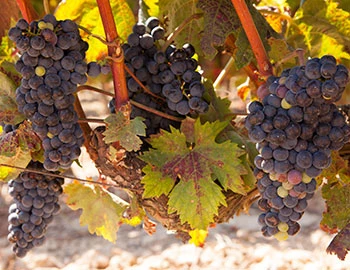
The Tempranillo is the emblem of Spain. With its juicy cherry fruit, crisp tannins, and its notes of leather and spices, it gives the Rioja its face. In the Ribera del Duero, it is known as Tinta del país. Here it turns out focused and muscular. As it has inhabited the Iberian Peninsula for centuries, it is known under countless synonyms. Across the border in Portugal, it is called Tinta Roriz, and lends colour and body to port wine. It also plays an important role in the booming wine scene of the Douro Valley. The Tempranillo owes its name to its early maturity – "temprano" in Spanish means "early". Tip: do it like they do in Spain and enjoy it with lamb.
Ribera del Duero
Ribera del Duero: Spanish temperament in a glass
The Tempranillo grape yields a particularly powerful wine with ripe berry fruit and alluring spice in the Ribera del Duero region, where it is called Tinta del País. It is no wonder that the region is seen internationally as a flagship for Spanish red wines. The designation of origin was first introduced in 1982. At the time, only few wineries existed; today, there are over 270. Many premium wines come from exceptionally old vines, sometimes over 80 years old.
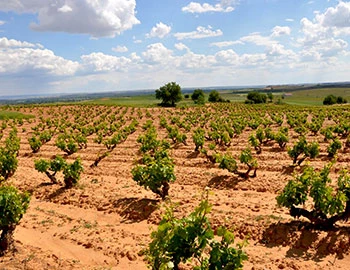
Castilla y León
Castile and León: Increasing diversity
Only 30 years ago, the autonomous region of Castile and León was an almost blank spot on the European wine list. This has changed immensely thanks to three grape varieties. The Tempranillo variety yields feisty, strong wines in Ribera del Duero and Toro. And Bierzo, the small wine area in the region's northwest, has experienced an impressive ascent, thanks to the character-laden Mencia variety. Finally, the fresh and fruity Verdelho pressings from Rueda have become the most successful Spanish white wines.
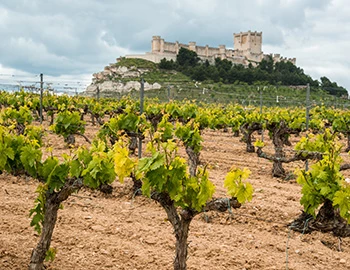
Spain
Spain – Variety and perfection
“Somewhere in la Mancha, in a place whose name I do not care to remember...,” begins Don Quixote's odyssey.
The most famous part is definitely when Don Quixote thinks windmills are his enemy and wants to fight them – until they nearly kill him. It’s possible there was a bit too much of the La Mancha wine at play. Spanish vines fight for their survival in rugged landscapes, battling fierce drought and rough soils. But they fight well.