
Cims de Porrera Garnatxa 2014
DOC Priorat, Cooperativa de Porrera, 750 ml


From the wild Priorat
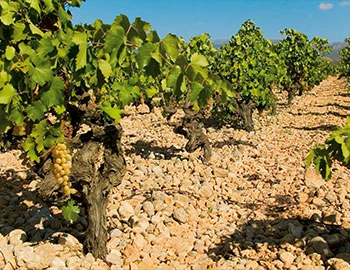
- A single-varietal Garnacha from old vines, characterised by the schist soils of the Priorat.
- Ripe cherries, cloves and vanilla; full-bodied, fruity and harmonious.
- Pairs well with grilled or braised meat, as well as oven-roasted vegetables and Manchego.
Description
The Cims de Porrera Garnatxa is an impressive example of Priorat wine and is made exclusively from Garnacha grapes, some of which come from very old vines. The region’s steep slate-covered slopes lend the wine depth, power and a mineral note. The combination of concentrated fruit, Mediterranean spice and elegant structure gives it its unmistakable character. On the nose, intense aromas of ripe red cherries, cloves, bay leaf and a hint of vanilla unfold. On the palate, the wine is full-bodied and powerful, with plenty of fruit, soft tannins and a harmonious structure. An ideal accompaniment to red meat, whether grilled or braised. It also reveals its full charm when paired with Mediterranean oven-roasted vegetables with rosemary and mature Manchego.
Tasting – The Art of Wine Selection at the Baur au Lac

Meet over 20 wine and spirits producers, benefit from attractive special offers, and attend exclusive masterclasses featuring aged wines. Limited places available.
Sunday, November 15, 2026 | 2.00 pm until 7.00 pm
Monday, November 16, 2026 | 2.00 pm until 8.00 pm
Attributes
| Grape variety: | Garnacha |
| Producer: | Cims de Porrera |
| Origin: | Spain / Catalunya / Priorato |
| Other vintages: | 2021 |
| Label: | Vegan |
| Ripening potential: | 4 to 15 years |
| Drinking temperature: | 16 to 18 °C |
| Food Pairing: | Risotto with ceps, Roasted lamb gigot, Saddle of lamb fillet with herb jus, Cheese board |
| Vinification: | fermentation in wooden barrel, Pumping over |
| Harvest: | hand-picking, strict selection, in small boxes |
| Maturation: | in large wooden barrel/foudre |
| Bottling: | filtration |
| Maturation duration: | 12 months |
| Volume: | 14.5 % |
| Note: | Contains sulphites |
Garnacha
Grenache seldom comes alone
Spaniards and Sardinians make the Grenache contentious: both claim it originated from their country. In fact, it had already appeared in both places by the 16th century. But a large number of mutations in Spain indicates that it has deeper roots on the Iberian Peninsula. The Grenache is meaty, rich in tannins and spicy, with a wonderful, fruity sweetness and rich aromas of blackberry, cassis, plums and pepper. Under the name Garnacha, it contributes fullness to the Rioja. In Sardinia it is called Cannonau, where it yields strong, expressive wines. But its stronghold is in France. Grenache is the star in Châteauneuf-du-Pape and streams into many other assemblages from the south. Its preferred partners are Syrah and Mourvèdre. This blend is also very popular abroad. In Australia, these wines are simply called "GSM".

Priorato
Priorat: Vergessen, wiederentdeckt, gefeiert…
Noch anfangs der 80er Jahre war das Priorat eine durch die Abwanderung geschwächte Problemregion. Dann entdeckten vier junge Winzer den verlassenen Talkessel, der nur eine Autostunde von der katalonischen Mittelmeerküste entfernt liegt, und begannen mit der Restauration der alten Rebanlagen. Heute sind die Priorat-Weine, die meistens von den alteingesessenen Sorten Garnacha und Cariñena geprägt werden, weltweit gefragt. Dank der spektakulären Renaissance der Priorat-Weine erlebt die ganze Region einen Aufschwung.
Catalunya
Catalonia: the great range
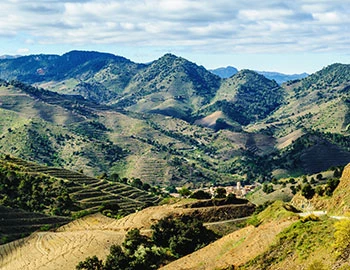
Spain’s second largest wine region has an impressive variety to offer. As a result, there are eleven different designations of origin in Catalonia. As the home of cava, Catalonia is one of the leading producers of sparkling wines produced according to classical methods. There is a wide selection of both elegant white wines and well-structured reds. Areas such as Priorat or Montsant have experienced an enormous upswing in recent years. The traditional sweet wine Moscatel de Sitges is also produced here.
Spain
Spain – Variety and perfection
“Somewhere in la Mancha, in a place whose name I do not care to remember...,” begins Don Quixote's odyssey.
The most famous part is definitely when Don Quixote thinks windmills are his enemy and wants to fight them – until they nearly kill him. It’s possible there was a bit too much of the La Mancha wine at play. Spanish vines fight for their survival in rugged landscapes, battling fierce drought and rough soils. But they fight well.