
Valdelareina 2023
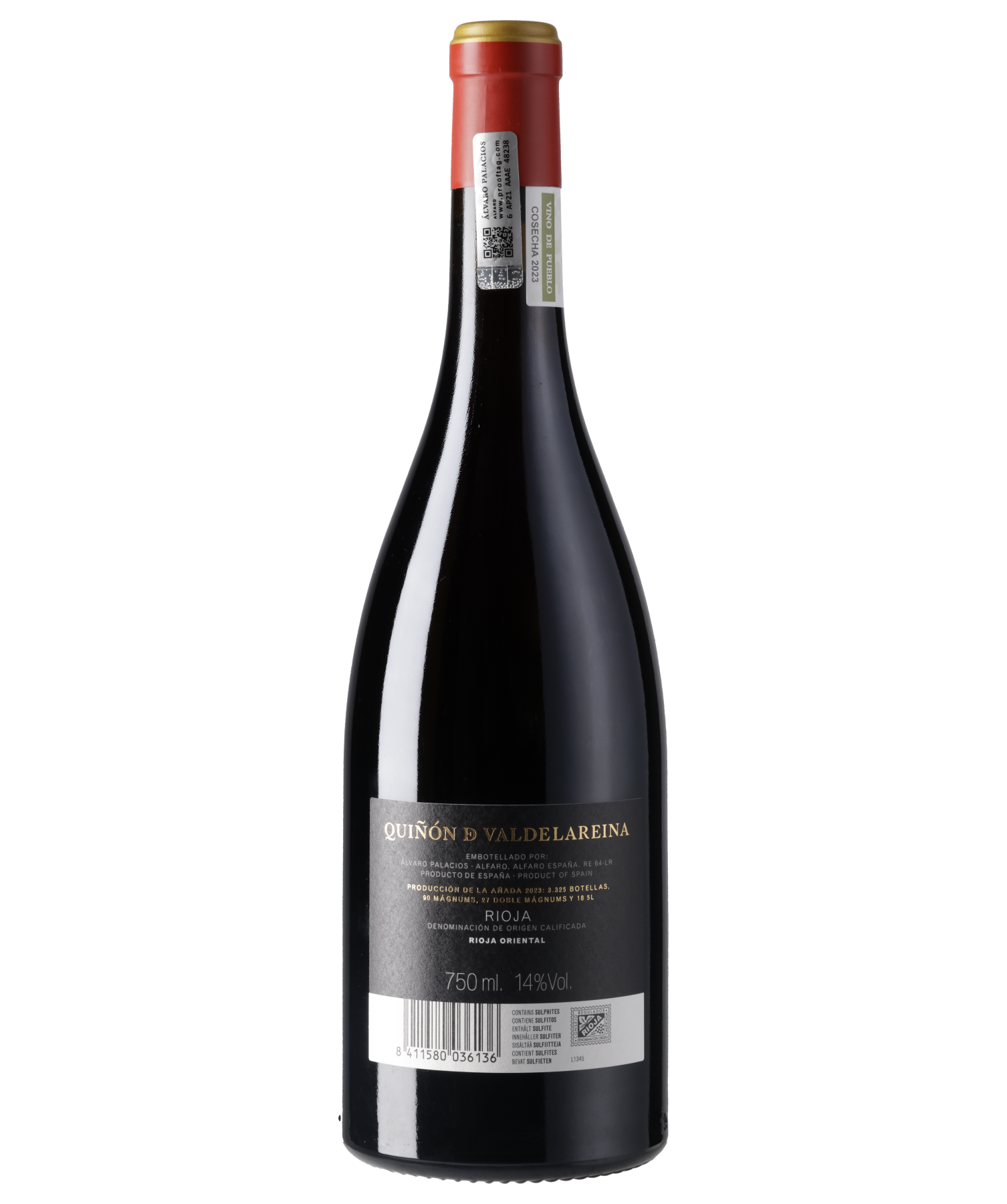
DOC Rioja, Alvaro Palacios, 750 ml


La magie de la vallée de la reine
- A Rioja with Garnacha in the leading role: exudes modern energy with a traditional soul.
- Son parfum méditerranéen est séduisant, son goût frais et juteux reste longtemps en mémoire.
- Pairs well with tapas and anything that goes on the barbecue – ideal for social gatherings or enjoyable solo moments.
Description
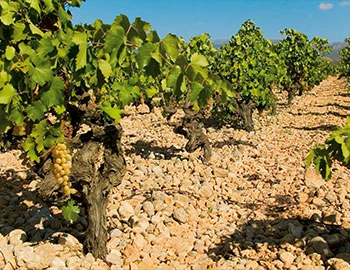
Valdelareina comes from high-altitude plots in the Sierra de Yerga at around 700 metres – the easternmost vineyard of the Palacios winegrowing family in Rioja. Wind, sun and exceptionally mineral-rich soil characterise this location. Garnacha plays the leading role, complemented by small quantities of almost forgotten indigenous varieties. The result is a modern Rioja that nevertheless retains the character of its old vines. The aroma is powerful and invitingly Mediterranean, accompanied by notes of blueberries, red forest fruits and fine spices. On the palate, the wine is fresh, juicy and long-lasting, accompanied by fine, slightly earthy tannins. Perfect with grilled meat, lamb, tapas or spicy vegetable dishes – a wine for convivial evenings as well as for moments all to yourself.
Attributes
| Grape variety: | Garnacha |
| Producer: | Grandes Vinos Clásicos |
| Origin: | Spain / Rioja |
| Label: | Vegan, Certified organic or biodynamic wine |
| Ripening potential: | 4 to 15 years |
| Drinking temperature: | 16 to 18 °C |
| Food Pairing: | Spiced grillades, Hearty stew with pulses, Saddle of lamb fillet with herb jus, Wild fowl |
| Vinification: | fermentation with grapes' own yeast, long must fermentation, fermentation in wooden barrel |
| Harvest: | hand-picking, strict selection, selecting the grapes (by hand) |
| Maturation: | in new barriques, long cultivation, some months bottle storage before sale |
| Bottling: | no filtration |
| Volume: | 14.0 % |
| Note: | Contains sulphites |
Garnacha
Grenache seldom comes alone
Spaniards and Sardinians make the Grenache contentious: both claim it originated from their country. In fact, it had already appeared in both places by the 16th century. But a large number of mutations in Spain indicates that it has deeper roots on the Iberian Peninsula. The Grenache is meaty, rich in tannins and spicy, with a wonderful, fruity sweetness and rich aromas of blackberry, cassis, plums and pepper. Under the name Garnacha, it contributes fullness to the Rioja. In Sardinia it is called Cannonau, where it yields strong, expressive wines. But its stronghold is in France. Grenache is the star in Châteauneuf-du-Pape and streams into many other assemblages from the south. Its preferred partners are Syrah and Mourvèdre. This blend is also very popular abroad. In Australia, these wines are simply called "GSM".

Rioja
Rioja: A legend in upheaval
It is the flagship of the Spanish wine industry: the Rioja region, with its elegant, yet storable wines, most of which are dominated by the Tempranillo, has decisively influenced the image of Spanish wine. Above all, the Reservas and Gran Reservas, aged for years in barrels, enjoy a magical reputation. For about 20 years, the Rioja houses have created a sensation with modern-designed, fruity wines, which are marked more by their terroir than their aging processes.
Spain
Spain – Variety and perfection
“Somewhere in la Mancha, in a place whose name I do not care to remember...,” begins Don Quixote's odyssey.
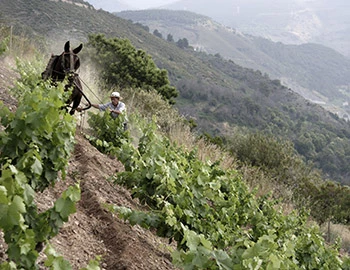
The most famous part is definitely when Don Quixote thinks windmills are his enemy and wants to fight them – until they nearly kill him. It’s possible there was a bit too much of the La Mancha wine at play. Spanish vines fight for their survival in rugged landscapes, battling fierce drought and rough soils. But they fight well.