
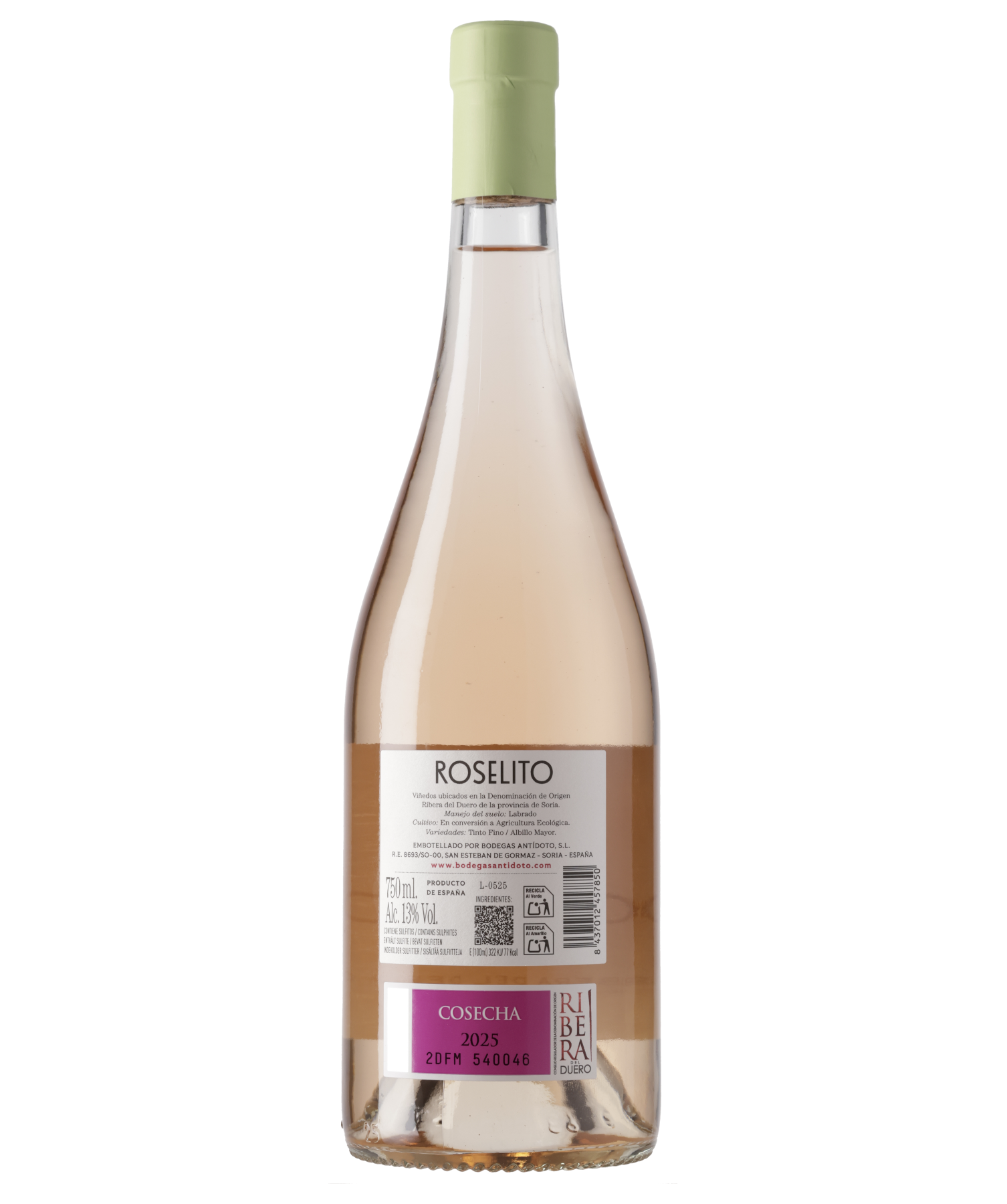
Roselito 2025
DO Ribera del Duero, Bodegas Antídoto, 750 ml


Tempranillo in Pink
- A lively rosé made from Tempranillo, enhanced with a small proportion of white Albillo from high-altitude vineyards.
- A floral bouquet of hibiscus and flint; dry on the palate, with a juicy, lively acidity and a slightly salty finish.
- Perfect with barbecue dishes, seafood, Levantine cuisine and halloumi.
Description
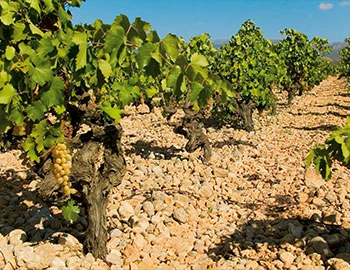
This rosé, made from Tempranillo grapes and enhanced with a small proportion of white Albillo, owes its remarkable freshness to the vineyards situated at an altitude of 900 to 1,000 metres. On the nose, it is lively, fragrant and expressive, with a floral bouquet of hibiscus, ripe raspberry and a subtle mineral touch reminiscent of flint. On the palate, it delights with aromas of yellow stone fruits and juicy mandarin, accompanied by a lively, invigorating acidity and a subtle hint of tartness. The delicate minerality and the slightly salty, lively finish add extra excitement and make it very drinkable. A versatile food companion – excellent with barbecued meats, seafood with herbs or marinated halloumi. With a local twist: Bloder cheese from Toggenburg, wrapped in Mostbröckli (dryed meet). The Roselito 2025 was awarded 92 points by Falstaff.
Falstaff Rosé Special 2026 | 92 points

The Roselito 2025 from Bodegas Antídoto in Spain’s Ribera del Duero region was awarded an excellent 92 points in the Falstaff Rosé Special 2026. It also took third place in the still wines category at the Falstaff Rosé Trophy Spain 2026.
Attributes
| Grape variety: | Tempranillo, Albillo Real |
| Producer: | Bodegas Antídoto |
| Origin: | Spain / Castilla y León / Ribera del Duero |
| Ripening potential: | 1 to 4 years |
| Drinking temperature: | 9 to 12 °C |
| Food Pairing: | Paella, Seafood salad, Risotto ai frutti di mare |
| Vinification: | pressing the whole grape, fermentation in steel tank |
| Harvest: | hand-picking |
| Maturation: | in steel tank |
| Bottling: | filtration |
| Volume: | 13.0 % |
| Note: | Contains sulphites |
Bodegas Antídoto
The wines of Bodegas Antídoto from the rugged province of Soria offer a stylistic contrast to the classic, often opulent Ribera del Duero wines. This region, an almost forgotten gem, stood in the shadow of big names for decades – but today it is experiencing an impressive renaissance with wines full of finesse and character.
Behind Antídoto are two personalities whose paths crossed in the small town of San Esteban de Gormaz: Bertrand Sourdais, a winemaker from the Loire region, discovered the potential of the ancient vines in the province of Soria in 1999. The wild landscape, barren soils, cool nights – and above all the Tinto Fino (Tempranillo) grape variety – immediately fascinated him. Together with David Hernando, a native of Soria, agricultural engineer, oenologist and deeply rooted in the region, he founded Bodegas Antídoto in 2011. David brings not only expertise but also a strong local network – as a passionate winemaker, he and Bertrand form the backbone of the business.

Tempranillo
Iberian Native
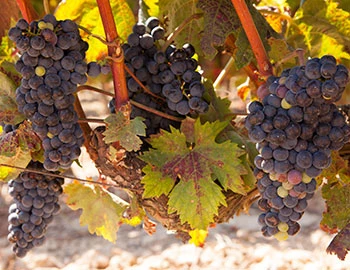
The Tempranillo is the emblem of Spain. With its juicy cherry fruit, crisp tannins, and its notes of leather and spices, it gives the Rioja its face. In the Ribera del Duero, it is known as Tinta del país. Here it turns out focused and muscular. As it has inhabited the Iberian Peninsula for centuries, it is known under countless synonyms. Across the border in Portugal, it is called Tinta Roriz, and lends colour and body to port wine. It also plays an important role in the booming wine scene of the Douro Valley. The Tempranillo owes its name to its early maturity – "temprano" in Spanish means "early". Tip: do it like they do in Spain and enjoy it with lamb.
Ribera del Duero
Ribera del Duero: Spanish temperament in a glass
The Tempranillo grape yields a particularly powerful wine with ripe berry fruit and alluring spice in the Ribera del Duero region, where it is called Tinta del País. It is no wonder that the region is seen internationally as a flagship for Spanish red wines. The designation of origin was first introduced in 1982. At the time, only few wineries existed; today, there are over 270. Many premium wines come from exceptionally old vines, sometimes over 80 years old.
Castilla y León
Castile and León: Increasing diversity
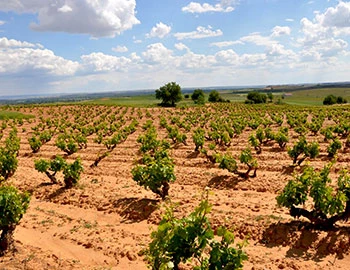
Only 30 years ago, the autonomous region of Castile and León was an almost blank spot on the European wine list. This has changed immensely thanks to three grape varieties. The Tempranillo variety yields feisty, strong wines in Ribera del Duero and Toro. And Bierzo, the small wine area in the region's northwest, has experienced an impressive ascent, thanks to the character-laden Mencia variety. Finally, the fresh and fruity Verdelho pressings from Rueda have become the most successful Spanish white wines.
Spain
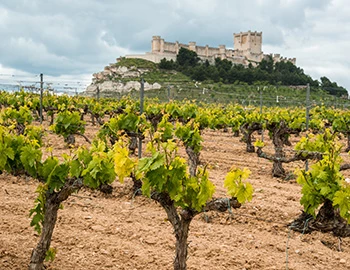
Spain – Variety and perfection
“Somewhere in la Mancha, in a place whose name I do not care to remember...,” begins Don Quixote's odyssey.
The most famous part is definitely when Don Quixote thinks windmills are his enemy and wants to fight them – until they nearly kill him. It’s possible there was a bit too much of the La Mancha wine at play. Spanish vines fight for their survival in rugged landscapes, battling fierce drought and rough soils. But they fight well.