
Bodegas Antídoto
The wines of Bodegas Antídoto from the rugged province of Soria offer a stylistic contrast to the classic, often opulent Ribera del Duero wines. This region, an almost forgotten gem, stood in the shadow of big names for decades – but today it is experiencing an impressive renaissance with wines full of finesse and character.
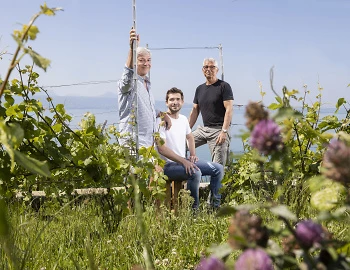
Behind Antídoto are two personalities whose paths crossed in the small town of San Esteban de Gormaz: Bertrand Sourdais, a winemaker from the Loire region, discovered the potential of the ancient vines in the province of Soria in 1999. The wild landscape, barren soils, cool nights – and above all the Tinto Fino (Tempranillo) grape variety – immediately fascinated him. Together with David Hernando, a native of Soria, agricultural engineer, oenologist and deeply rooted in the region, he founded Bodegas Antídoto in 2011. David brings not only expertise but also a strong local network – as a passionate winemaker, he and Bertrand form the backbone of the business.
Rosé wines from Bodegas Antídoto
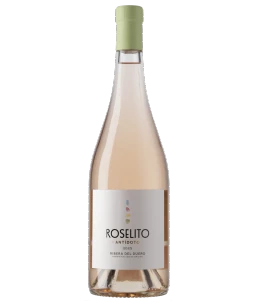
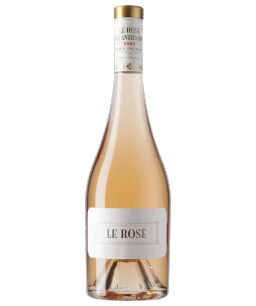
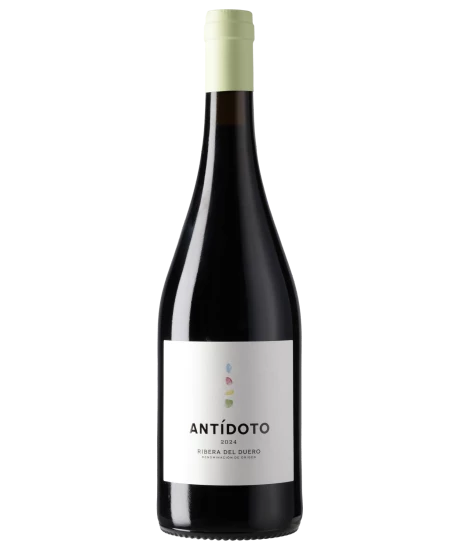
Red wines from Bodegas Antídoto
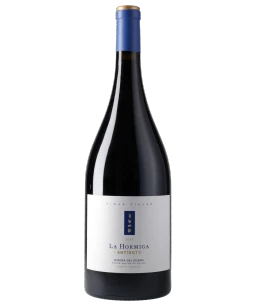
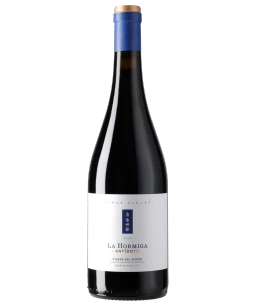
from Bodegas Antídoto
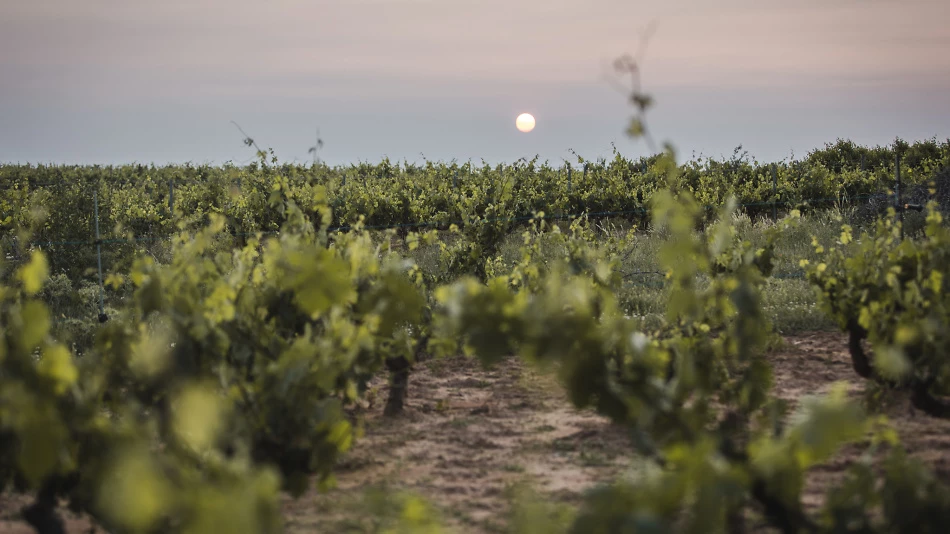
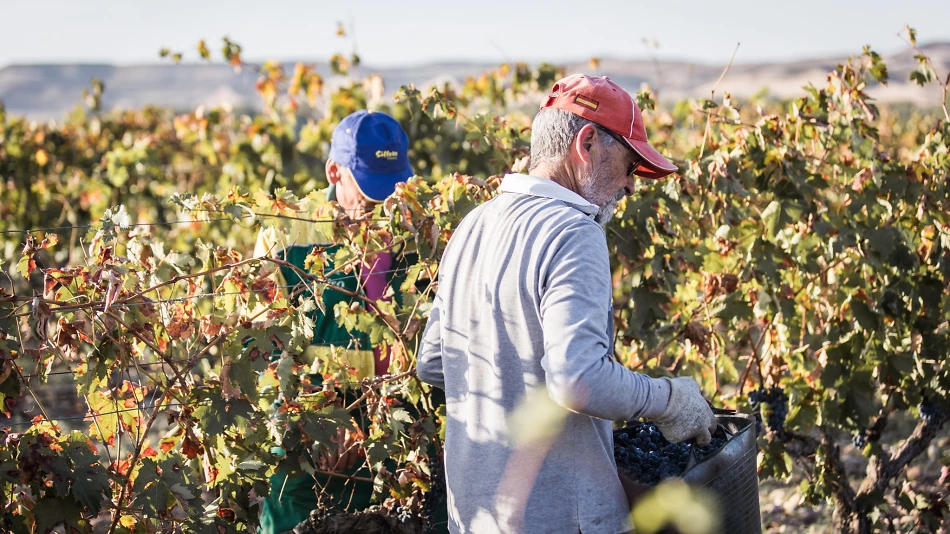
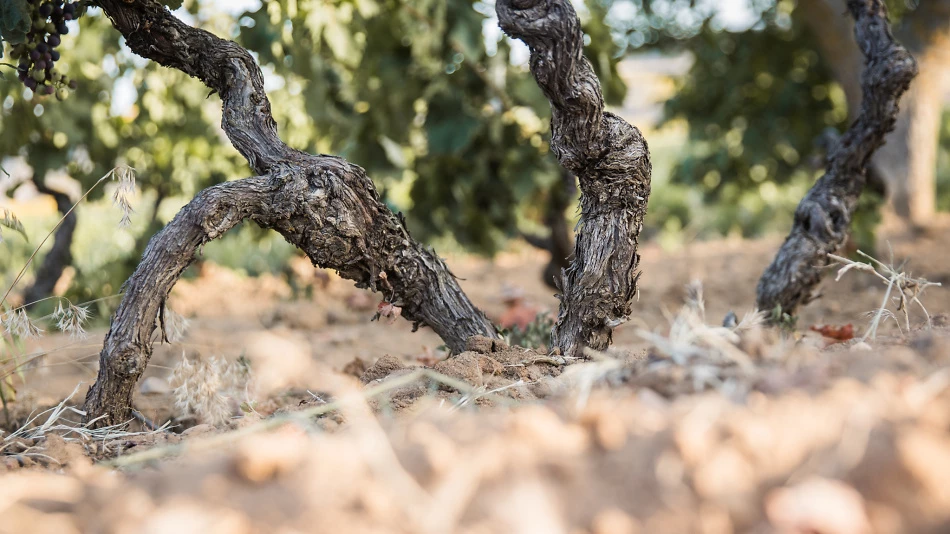
The Antídoto vineyards are not a contiguous estate, but rather a mosaic of over 770 small plots in 15 villages around San Esteban de Gormaz – a total of around 110 hectares. Many of the vineyards are located at altitudes of up to 1,000 metres, giving the wines freshness and elegance. Tinto Fino (Tempranillo), Albillo Mayor and some Garnacha grow here – on sandy-calcareous soils, characterised by an extreme continental climate with hot days and cool nights. What is special about Antídoto is not only the diversity of the terroirs, but also the respectful treatment of the region's cultural heritage. Many of the vines are over 100 years old, ungrafted and, in some cases, «survivors of the phylloxera crisis». Over 50 local winegrowers work hand in hand with Antídoto – mostly as a sideline – forming a genuine community in which experience, trust and tradition remain alive.
The style – freshness instead of opulence: the wines are clear, lively and elegant – characterised by freshness, fine structure and precise fruit. The wine of the same name, Antídoto, impresses with red fruits, subtle spice notes and a drinkable balance. The more powerful La Hormiga, made from ancient vines, shows more depth, fullness and silky tannins.
Bodegas Antídoto is more than a winery – it is a project that connects wine, landscape and people. Bertrand Sourdais and David Hernando have not only created great wines, but have also breathed new life into a region. Here, wines with origin and soul are created.
Producer
J. & M. Dizerens
Read more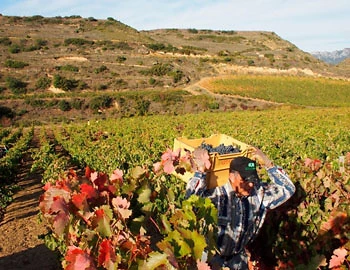
Bodegas y Viñedos Artazu
Bodegas y Viñedos Artadi is a Spanish winery group whose vineyards are in Alicante (Valencia), in the northeastern region of Navarre and in Álava and Gipuzkoa in the Basque Country. In 1985, a group of winegrowers founded this private cooperative project, which, with one tiny exception, only produces single-grape-variety wines.
Sacchetto
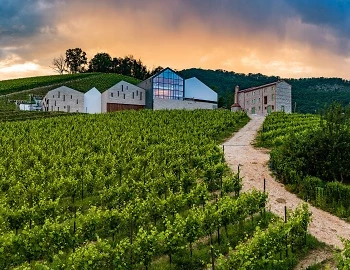
For over a hundred years, the Sacchetto family has devoted itself to winemaking with passion. The winery is led by the siblings Beatrice and Paolo, together with the people who work alongside them and help shape its identity. They all share one vision: to create wines that express their origin – and tell a story.