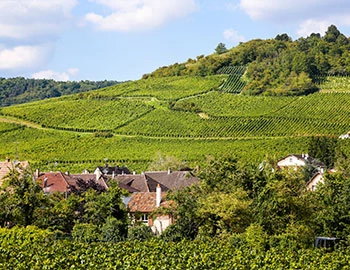

Castarède 1920
Armagnac, 700 ml


Tasting – The Art of Wine Selection at the Baur au Lac

Meet over 20 wine and spirits producers, benefit from attractive special offers, and attend exclusive masterclasses featuring aged wines. Limited places available.
Sunday, November 15, 2026 | 2.00 pm until 7.00 pm
Monday, November 16, 2026 | 2.00 pm until 8.00 pm
Attributes
| Grape variety: | Ugni Blanc, Colombard, Baco, Folle Blanche |
| Producer: | Bas Armagnac Castarède / Fam. Castarède |
| Origin: | France / Armagnac |
| Other vintages: | 1936 |
| Maturation: | in partly new and used barriques/ Pièces |
| Volume: | 40.0 % |
Colombard
Cognac ingredient and summer wine grapes
The Colombard, along with Ugni Blanc and Folle Blanche, provides the base wines for Cognac and Armagnac. Among the three varieties, it is considered qualitatively less interesting, because it has a lot of alcohol and relatively low acidity. For this reason, its cultivation area has markedly shrunk since the 1970s. But today it is making a comeback as a supplier of cheap, citrus-fresh, florally-fragrant summer wines. The home of Colombard lies in the Charente region on the French Atlantic coast. Its name stems from the French “colombier”, a dovecote – not because the variety attracts the birds, but because of the bright colour of its berries.
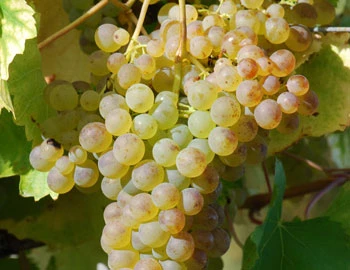
Baco
The delicate grape that defeated the philloxera
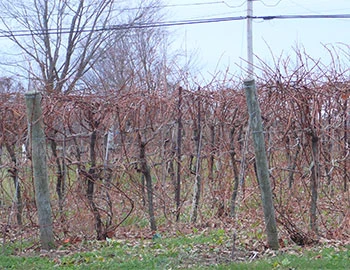
Armagnac
Armagnac: high-percentage, high-standing, authentic
Gascony, in southwestern France, has retained its authentic rural charm to this day. Very similar traits are attributed to the brandy originating from here, Armagnac. While young Armagnac can taste lively and fiery, old, decades-aged selections reveal enormous finesse with unique character. Vintage bottlings are particularly exclusive – and accordingly expensive.
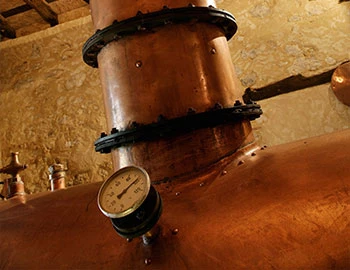
France
France – Philosophy in a bottle
According to French philosophy, wine should be an expression of the soil and climate. They use the word “terroir” to describe this. Terroir makes every wine different, and many especially good. French wine is regarded worldwide as an expression of cultural perfection. The French believe that humans are responsible for the quality of the berries, the vine variety for their character, and nature for the quantity. This philosophy can be expressed succinctly as: “the truth is the vineyard, not the man.”