
Bodegas Campos Reales
The landscape of Meseta Central stretches out endlessly to include La Mancha, the land of Don Quixote and Sancho Panza, and also Spain's largest wine region.
The heart of the Iberian peninsula is characterised by an extremely continental climate with scorching summers and freezing winters. Luckily, the scarce downpours are aptly retained by the calciferous loamy soil in order to enable the vines' survival. Quite often, these are very old, gnarled, and stunted in their growth. In order to shield the grapes from the torrid heat using their leaves, the vines still are often reared low to the ground in the traditional manner -- also known as bush vines or 'en vaso'.
Red wines from Bodegas Campos Reales
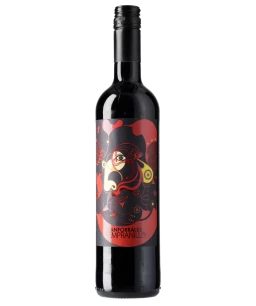
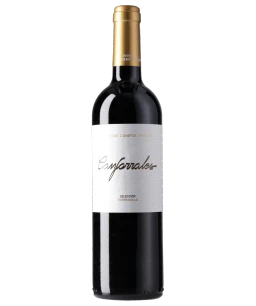
from Bodegas Campos Reales
Next to Tempranillo or its local nomenclature Cencibel, the Bodegas Campos Reales also cultivate since 1950 many other grape varieties: Garnacha, Tintorera, Bobal, and white varieties such as Airén (which incidentally claims the largest vine area worldwide) or Macabeo, to name a few.
This is yet another case in which tradition meets modernity. The cellar's implementation of the latest vinification infrastructure does not exclude traditional processes such as hand-picking (which also applies to simple wines), the nurturing of the vines, the preservation of indigenous grape varieties, or the ageing in barriques. Led by a young, dedicated and highly specialised team, the bodega belongs to those vineyards propagating the self-proclaimed revolution of the Mancha wines and which carries its reputation worldwide of having an amazing price/pleasure ratio.

Producer
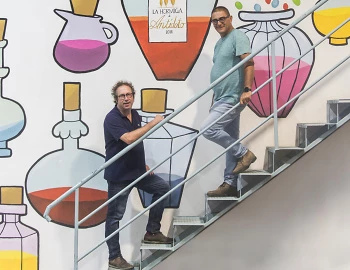
Bodegas Antídoto
The wines of Bodegas Antídoto from the rugged province of Soria offer a stylistic contrast to the classic, often opulent Ribera del Duero wines. This region, an almost forgotten gem, stood in the shadow of big names for decades – but today it is experiencing an impressive renaissance with wines full of finesse and character.
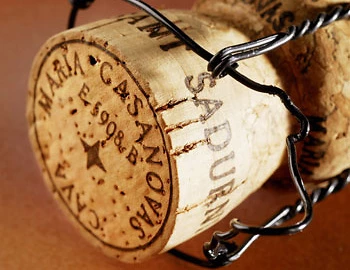
Maria Casanovas
The Bodega or Cava Maria Casanovas is located in the heart of the Penedès, in Sant Sadurní d'Anoia, the centre of Cava production. It is owned by the Casanovas family and managed by three children of Maria Casanovas. Jordi and Jacint are responsible for the vineyards and the cellar, Rosa for administration and marketing.

Nautilus Estate
In the stunningly beautiful wine-growing region of Marlborough, located in the north-easternmost corner of New Zealand's South Island, the Nautilus Estate of Marlborough, founded in 1985, produces expressive, structured and precise wines inspired by the mathematically perfect spiral of the nautilus shell (sea snail).