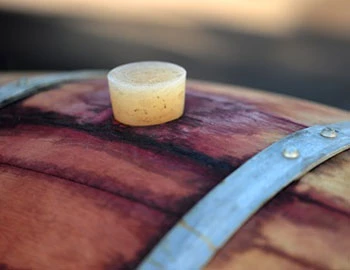
Bodegas Campos Reales
The landscape of Meseta Central stretches out endlessly to include La Mancha, the land of Don Quixote and Sancho Panza, and also Spain's largest wine region.
The heart of the Iberian peninsula is characterised by an extremely continental climate with scorching summers and freezing winters. Luckily, the scarce downpours are aptly retained by the calciferous loamy soil in order to enable the vines' survival. Quite often, these are very old, gnarled, and stunted in their growth. In order to shield the grapes from the torrid heat using their leaves, the vines still are often reared low to the ground in the traditional manner -- also known as bush vines or 'en vaso'.
Red wines from Bodegas Campos Reales
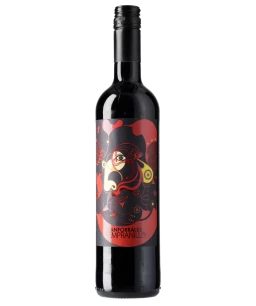
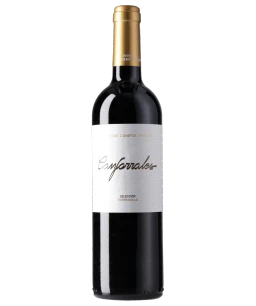
from Bodegas Campos Reales
Next to Tempranillo or its local nomenclature Cencibel, the Bodegas Campos Reales also cultivate since 1950 many other grape varieties: Garnacha, Tintorera, Bobal, and white varieties such as Airén (which incidentally claims the largest vine area worldwide) or Macabeo, to name a few.
This is yet another case in which tradition meets modernity. The cellar's implementation of the latest vinification infrastructure does not exclude traditional processes such as hand-picking (which also applies to simple wines), the nurturing of the vines, the preservation of indigenous grape varieties, or the ageing in barriques. Led by a young, dedicated and highly specialised team, the bodega belongs to those vineyards propagating the self-proclaimed revolution of the Mancha wines and which carries its reputation worldwide of having an amazing price/pleasure ratio.

Producer
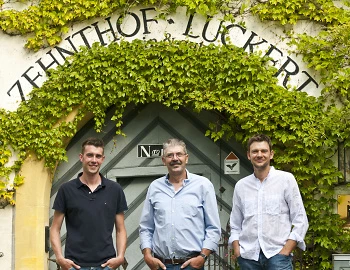
Zehnthof Luckert Winery
The winery is located in the Zehnthof prince-bishop's residence built in Sulzfeld am Main, Lower Franconia in 1558, and is known for wines with a distinctive and mineral character. The vineyards covering 17 hectares belonging to the winery are cultivated by Ulrich Luckert, his brother Wolfgang and the latter's son Philipp.
Park
For many years Baur au Lac Wines has been Switzerland's exclusive importer of the sumptuous Cognacs created by Dominic Park. The story goes back to the 1990s when Dominic Park decided to leave his job as a wine trader in London to create his own cognac house with the style he wanted. This is summed up by a very clean vision of what cognac should be: insist on the best origins and a very precise distillation and ageing to give a high-class product in a modern, elegant bottle.