
G. & J. Guillerault / Sebastian Fargette
Gilles Guillerault and Sébastien Fargette are based in Crézancy-en-Sancerre, a few kilometres west of Sancerre, in the Centre-Loire region. A lovely hilly landscape where vineyards alternate with charming villages. With around 2400 hectares of vineyards, Sancerre is a rather small wine-growing region. Only two grape varieties are cultivated, Sauvignon Blanc and Pinot Noir.
The well-drained soils are very calcareous with a variable proportion of clay. The flint, mainly found around Sancerre, provides the typical "flinty" aroma to the wines. 1000 kilometres from the Loire estuary, we are in the heart of France. The climate is distinctly continental, with cold winters and hot summers, and hail or frost can cause great damage to the vines. However, the wines are excellent. Sancerre is known all over the world as one of the great French classics.


Producer
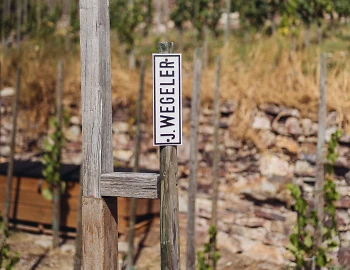
Weingüter Wegeler
Since 1882, Wegeler has been synonymous with excellence in German viticulture. Today, the winery is run by the fourth generation of the Wegeler family, together with Ralf Frenzel and Torsten Vogt—with a blend of tradition, foresight, and genuine passion, especially for Riesling, complemented by a small selection of Pinot Noir.
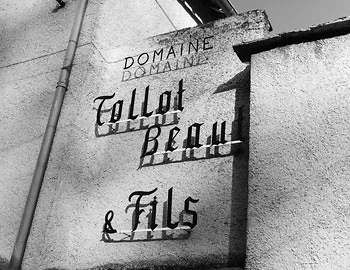
Domaine Tollot-Beaut / Nathalie Tollot
This fine family domaine has existed since the end of the 19th century. Initially, there were only a few vineyards in the village of Chorey. As time went on, it developed into 24 hectares in the communes of Beaune, Savigny and Aloxe-Corton. The estate is now run by cousins Nathalie, Jean-Paul, and Olivier Tollot.

The Whisky Cellar
The Whisky Cellar was founded in 2017 as an independent Scottish bottler by whisky expert Keith Bonnington