

Moscato dolce Spumante
Vino Spumante aromatico dolce, Paladin, 750 ml


The magic of Moscato
- Moscato full of lightness – aromatic, fragrant and with low alcohol content.
- Finely sparkling, pleasantly sweet and refreshingly lively on the palate.
- A celebration of fruity desserts, panettone or a classic accompaniment to wedding cakes.
Description
A seductively fragrant Moscato that delights with its lightness and aromatic richness. The grapes are harvested during the cool night hours to preserve their natural freshness and intensity. The nose reveals lively notes of white flowers, citrus fruits and muscat grapes. Finely sparkling on the palate, with harmonious sweetness and refreshing acidity, which gives the Moscato a wonderful burst of freshness. Thanks to its low alcohol content and perfect balance between sweetness and freshness, it goes well with fine desserts, fruit tarts, panna cotta or as an elegant accompaniment to festive occasions – especially wedding cakes, a classic pairing.
Tasting – The Art of Wine Selection at the Baur au Lac

Meet over 20 wine and spirits producers, benefit from attractive special offers, and attend exclusive masterclasses featuring aged wines. Limited places available.
Sunday, November 15, 2026 | 2.00 pm until 7.00 pm
Monday, November 16, 2026 | 2.00 pm until 8.00 pm
Attributes
| Grape variety: | Moscato Bianco |
| Producer: | Paladin |
| Origin: | Italy / Veneto |
| Label: | Vegan |
| Ripening potential: | 1 to 2 years |
| Food Pairing: | Fruit tart, Panettone, Cakes, biscuits, pastries, Fruit crème |
| Vinification: | pressed carefully and immediately |
| Harvest: | hand-picking |
| Volume: | 6.5 % |
| Note: | Contains sulphites |
Paladin
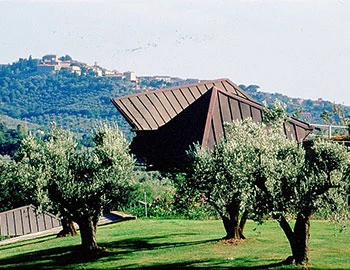
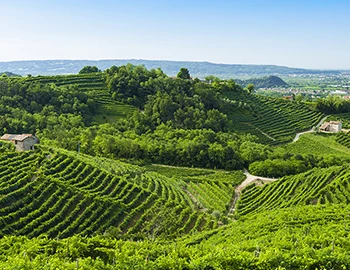
The vineyards of the Paladin winery are located in the border area between the Eastern Veneto and Friuli, where wine was already being grown in Roman times. At that time, the wines of this area were shipped in amphorae from the nearby sea ports to Rome, as reported by the historian Pliny.
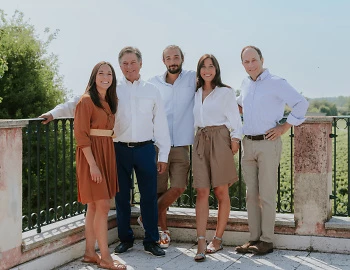
Founded in 1962 by Valentino Paladin, this family-run business is now managed by his sons Carlo and Roberto, and his grandchildren Francesca, Valentino and Martina, and combines tradition with craftsmanship.
The calcareous clay soils were formed about 20,000 years ago, after the last ice age. At a depth of 50 to 100 centimetres, one runs into limestone, the so-called Caranto, which gives the wines their body, richness and flavour intensity. The region has a rather mild climate. To the north, the Dolomites and the Alps provide protection from the cold; to the south-east, the Adriatic has a moderating influence.
Veneto
Veneto: land of the Amarone and Prosecco
Veneto stretches from the Alpine foothills, through the flat Po Valley, to the Gulf of Venice on the Adriatic coast. Two types of wine in particular have been able to celebrate spectacular successes here in recent years: Amarone growths impress with their opulent body and force, while the cheerfully bubbling Proseccos please with their fruity, grape freshness. But the region also produces drinkable everyday wines, including the white Soave and the red Bardolino.
Italy
Italy – Where wine is a way of life
The Italian wine regions are extremely diverse, and this is made clear in their wines. Established varieties such as Merlot, Syrah, and Sauvignon can be found on just 15 percent of the total vine growing area. The remaining 85 percent is reserved for autochthonous, indigenous varieties. More than 2,000 different grape varieties are grown under diverse conditions and pressed with various techniques into wines that reach the top tier of the international wine market.