
Plácet de Valtomelloso 2023
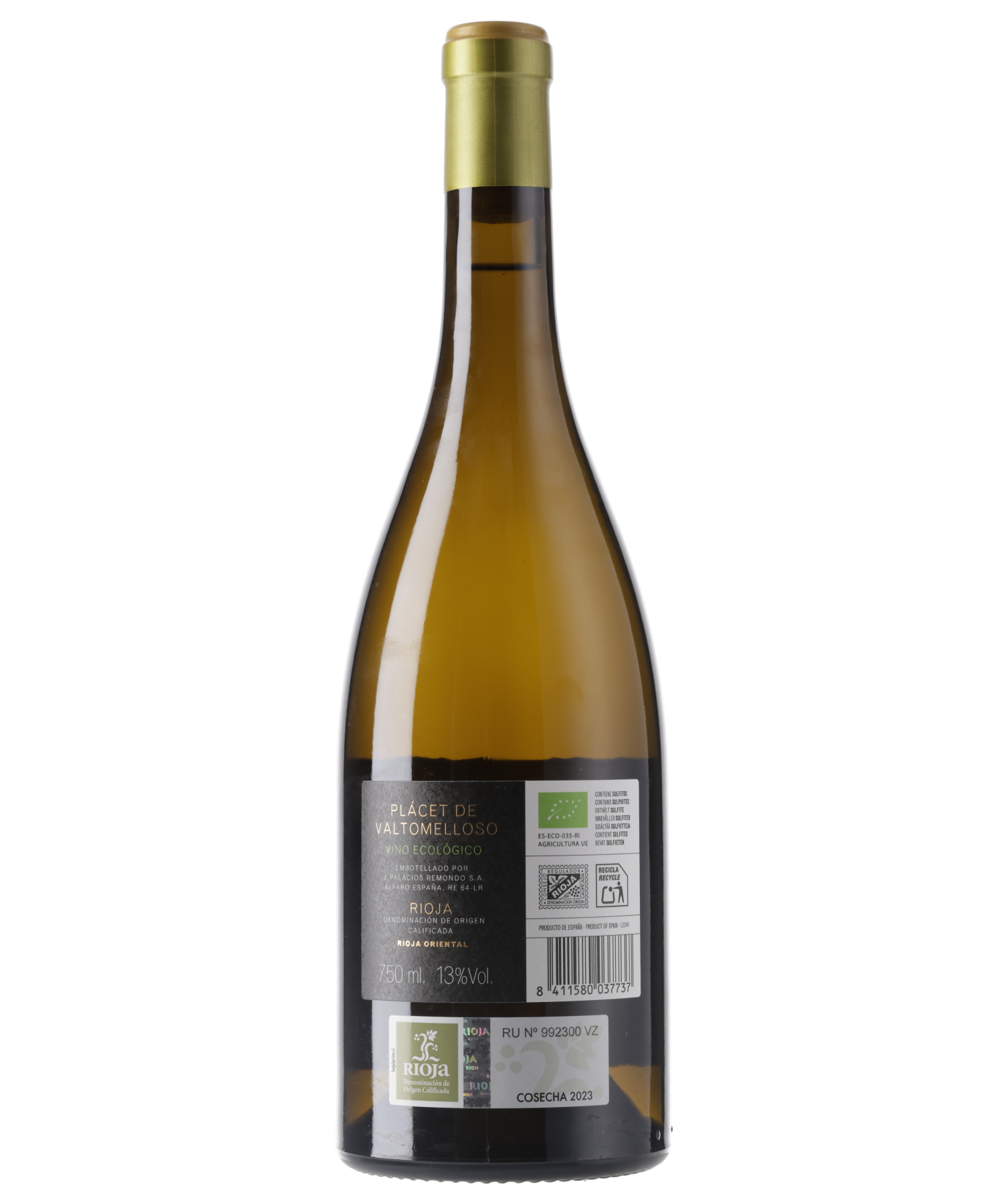
Rioja, J. Palacios Remondo, 750 ml


Rioja all in white
- Viura – northern Spain’s most important white wine grape variety – shows its best side in Plácet.
- A complex bouquet with subtle toasted notes. Smooth, lively and juicy on the palate – full-bodied and dense.
- Perfect with aperitifs, seafood or asparagus – and even shines when paired with creamy dishes.
Description
Thirty years ago, Álvaro Palacios set out to reinvent Rioja’s white wines with the Plácet – and he succeeded! This wine showcases the Viura grape at its very best. A skilful balance between tradition and modernity. On the nose: apple, pear, peach, herbs and toasted notes. On the palate, it is smooth and lively, juicy with a noticeable grip, full-bodied and dense. A distinctive hint of aniseed. A versatile companion – not just for a relaxed aperitif, but also with all kinds of seafood, asparagus dishes or creamy vegetable risotto.
Attributes
| Grape variety: | Viura |
| Producer: | J. Palacios Remondo |
| Origin: | Spain / Rioja |
| Other vintages: | 2025 |
| Label: | Certified organic or biodynamic wine |
| Ripening potential: | 2 to 10 years |
| Drinking temperature: | 10 to 12 °C |
| Food Pairing: | Asparagus specialities, Succulent chicken breast with cream sauc, Giant crevettes, grilled langoustines |
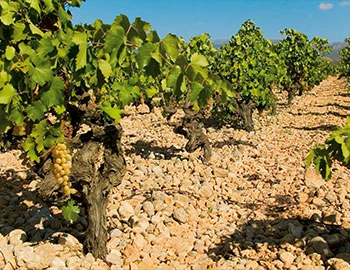
| Vinification: | partly destemmed, (short) pellicular fermentation, soft pressing, fermentation in wooden barrel |
| Harvest: | hand-picking, strict selection |
| Maturation: | in large wooden barrel/foudre |
| Bottling: | filtration |
| Maturation duration: | 10 months |
| Volume: | 13.0 % |
| Note: | Contains sulphites |
J. Palacios Remondo
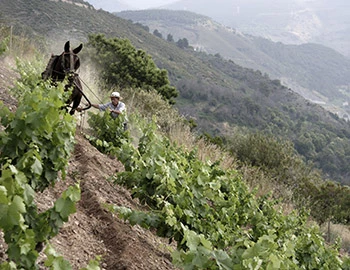
He was born «at home», above his father’s bodega – Álvaro Palacios, Spain’s star winemaker. The scent of wine and barrels was surely in the air and shaped the rest of his life. He studied oenology in Bordeaux and gained professional experience at Château Pétrus, in London, Dublin and California. Today, he owns vineyards in Priorat, Bierzo and back home in La Rioja, and year after year he demonstrates his extraordinary talent with top-quality wines.
He loves his family, motorbikes, nature, Camarón’s songs, a challenge and taking risks. You immediately take him at his word when he admits that his second calling was to be a ‘torero’ – a bullfighter. He exudes dynamism and strength. At the age of 21, he went to Bordeaux to study oenology. The next stage was a two-year position at Château Pétrus.
Sometimes you have to leave before you can truly come home. Álvaro’s father, José Palacios, had built the winery in Alfaro in the mid-1940s and made it a success. The family’s winemaking tradition dates back to the 17th century. For Álvaro, there was never any question that he would carry on the tradition – even though he initially did so as a winemaker in Priorat. When his father died in 2000, the family asked him to take charge of the winery in La Rioja as well. And so he suddenly found himself back in his old home, albeit with a whole new vision.
Viura
For fruity cava and white Rioja
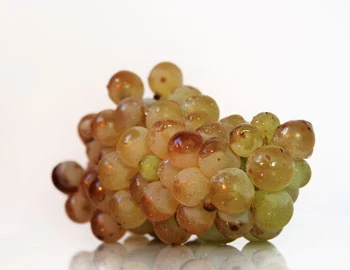
Still or sparkling: the Macabeo can do both. In its native Catalonia, it forms, with Parellada and Xarello, the triumvirate of cava grapes. It gives the sparkling wine its fresh apple fruit; the Parellada provides elegance, and the Xarello contributes body and fullness. Pressed as a still white wine, the Macabeo smells of apple, pear, flowers and herbs. A light almond note often comes as well. This can be tasted in the classic white wines from Rioja: they are made from this variety, which there is called Viura. The Macabeo – also spelled Macabeu – migrated from northern Spain across the border into French Roussillon.
Rioja
Rioja: A legend in upheaval
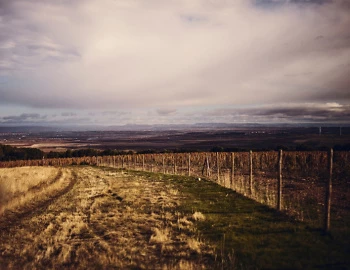
It is the flagship of the Spanish wine industry: the Rioja region, with its elegant, yet storable wines, most of which are dominated by the Tempranillo, has decisively influenced the image of Spanish wine. Above all, the Reservas and Gran Reservas, aged for years in barrels, enjoy a magical reputation. For about 20 years, the Rioja houses have created a sensation with modern-designed, fruity wines, which are marked more by their terroir than their aging processes.
Spain
Spain – Variety and perfection
“Somewhere in la Mancha, in a place whose name I do not care to remember...,” begins Don Quixote's odyssey.
The most famous part is definitely when Don Quixote thinks windmills are his enemy and wants to fight them – until they nearly kill him. It’s possible there was a bit too much of the La Mancha wine at play. Spanish vines fight for their survival in rugged landscapes, battling fierce drought and rough soils. But they fight well.