
Weingut Rings
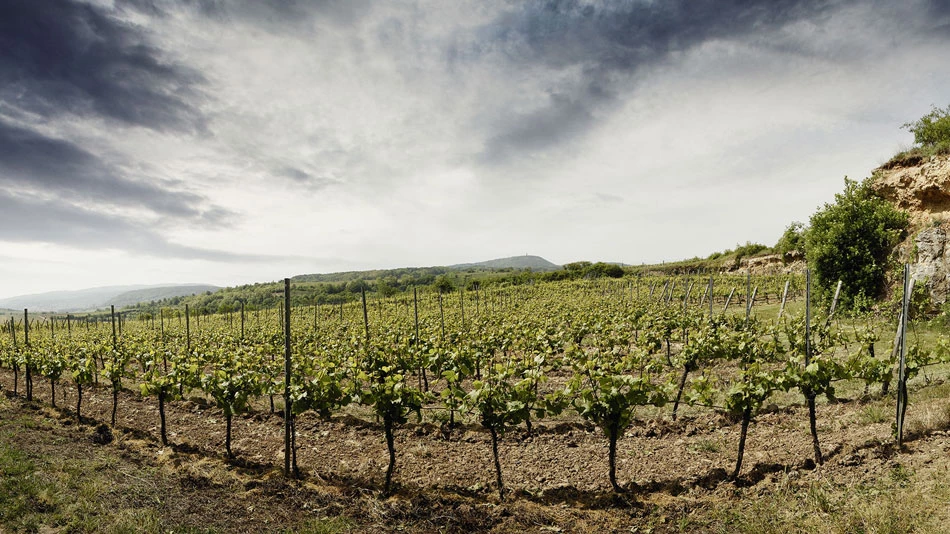
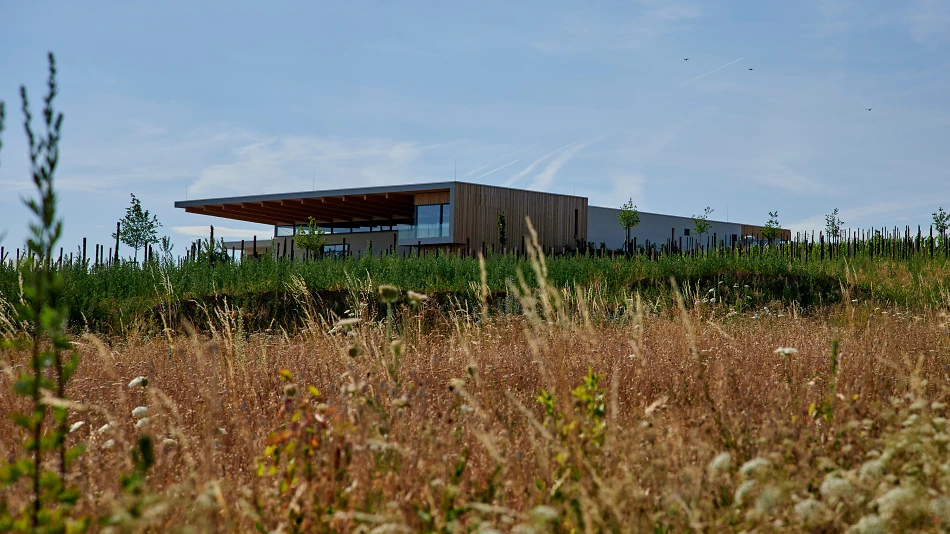
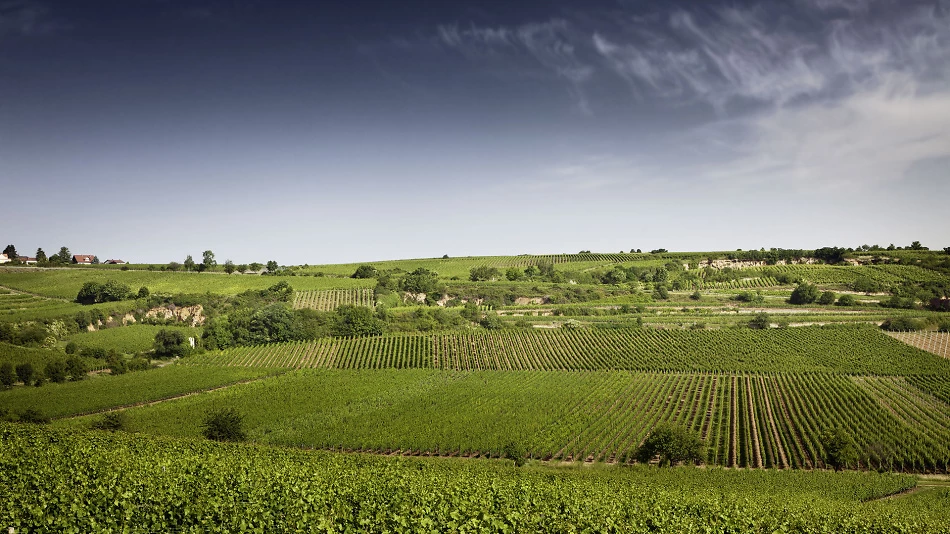
Weingut Rings, part of the Palatinate’s vineyard premier league, lies embedded in the sun-drenched Palatinate, right in the middle of the Freinsheim winegrowing district. For more than a decade, the new generation of the Rings family has been passionately concentrating on the ecological production of high quality dry wines. The hallmarks of Weingut Rings are well-balanced, dense wines with pronounced character and great cellar potential.
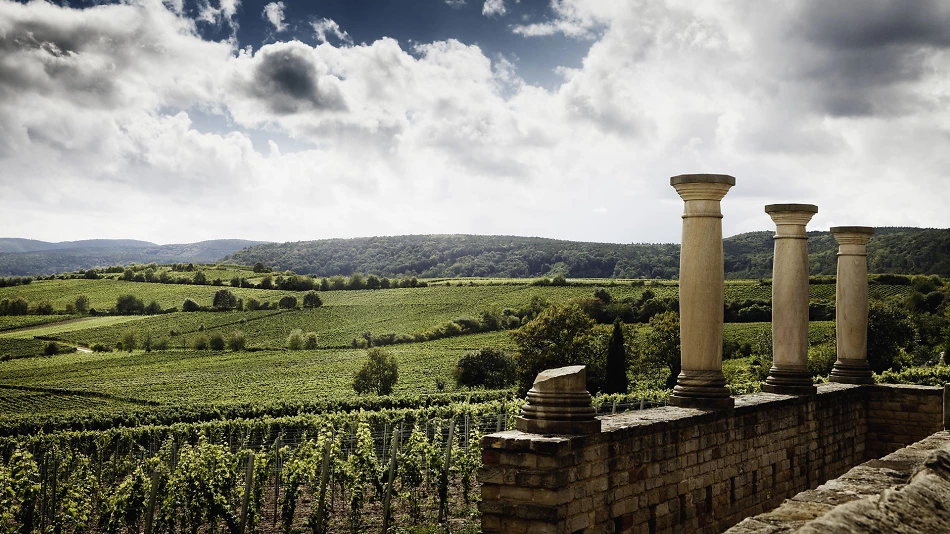
The Palatinate region, also known as the German Tuscany, really is a charming district. Its mild climate enables almond trees to blossom, figs and bergamot oranges to ripen, pines and cypress trees to grow and the finest wines to thrive. No wonder that the Romans felt so at home here!
The Rings family are based in Freinsheim, a few kilometres north of the small and picturesque spa town of Bad Dürkheim. In 2008, brothers Andreas and Steffen took over responsibility of the vineyard from their parents. The two highly qualified vintners restructured the entire production so that the company would carry out its own bottling. Before this, their father exclusively produced cask wine, as well as being involved in fruit cultivation. Their indefatigable striving for quality ensured that experts soon took notice. Quite deservedly, in 2012 the brothers were awarded the German Red Wine Award for their Portugieser Reserve 2009, and were therefore distinguished as THE newcomers. In 2015, the estate was accepted into the VDP (Association of German Prädikat Wine Estates), and in 2017 was distinguished with 4 grapes by the Gault-Millau Wine Guide.
The original 12 hectares has since been expanded by a further 19 hectares. The estate owns high quality vineyards in the municipalities of Freinsheim, Ungstein and Kallstadt, and which have completely different soil properties. The most well-known sites are: in Freinsheim Das Kreuz, in Ungstein the Weilberg (around the Roman villa with its sensational view of the lowlands) and in Kallstadt the Saumagen. For a long time now, the brothers have been employing organic cultivation methods, and are currently in the process of becoming a certified organic winery. Their approach is to interfere with vinification as little as possible. The grape musts are fermented spontaneously without the addition of yeasts, and are in part only lightly filtered, or not at all. The yields are strictly controlled, and especially in the case of the single vineyard wines are kept very low.
The range of grape varieties grown includes international varieties such as Cabernet Sauvignon, Pinot Noir, Merlot and Cabernet Franc, as well as varieties typical of this region, such as Riesling, Silvaner, Saint Laurent and Dornfelder.
Steffen and Andreas Rings’ motivation is to coax out the unique character of every site or indeed plot, and so to add their personal signature to each of their wines.
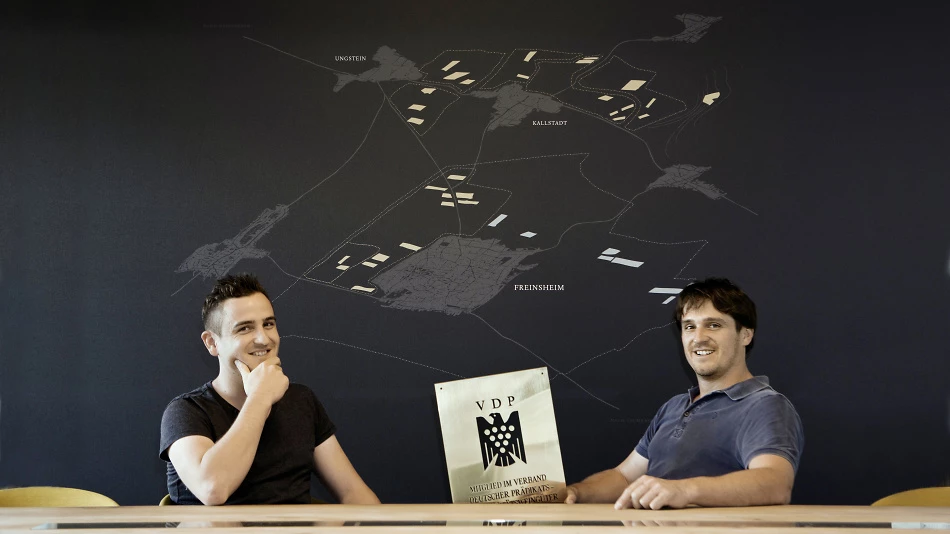
Producer
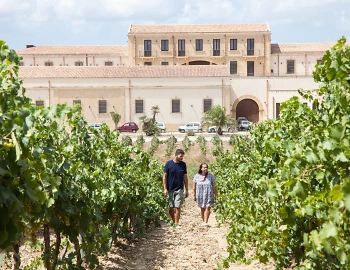
Villa Carumè – Assuli
Villa Carumè is situated between Mazara del Vallo and Trapani, where the wind blows in from the Mediterranean across the vineyards and the sun shines practically all year round. The vineyards benefit from a warm Mediterranean climate, plenty of sunshine and constant sea breezes. Here, wines are produced from typical Sicilian grape varieties such as Grillo and Nero d’Avola.
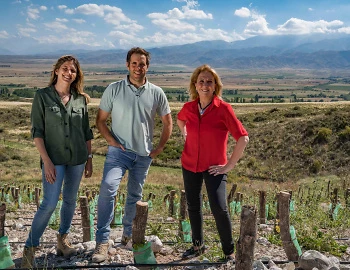
Susana Balbo Wines
The mighty Aconcagua watches over the plain of Mendoza, 1000 kilometres from Argentina’s capital Buenos Aires. A barren, semi-arid land where Jesuits and Franciscans, after the Spanish conquest in the 16th century, discovered favourable natural conditions for viticulture.
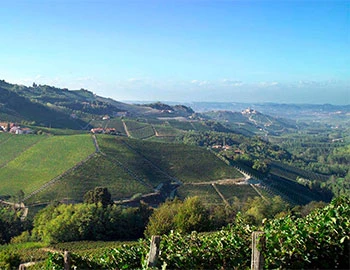
Paolo Conterno / Fam. Conterno
The history of the Paolo Conterno winery dates back to 1886. With the founding of Casa della Ginestra in Monforte d'Alba, Paolo Conterno laid the foundation for a family tradition that is now continued in the fourth generation by Giorgio Conterno. The focus has always been on producing wines that authentically reflect their origin, character and vintage.