
Bodegas Amézola de la Mora
The Amézola de la Mora family vineyard originated in the 19th century. Already then it enjoyed a good reputation in large parts of the country. With the appearance of the dreaded phylloxera plague, however, production unfortunately came to an end. In 1986, Iñigo Amézola de la Mora brought the family estate back to life.
María and Cristina, the daughters of Iñigo Amézola, who unfortunately died too early, now lead the family estate into the future as a young generation with gentle innovation, without neglecting the deeply rooted traditions. Torremontalbo is the name of the hamlet at a crossroads with as many as four houses. The bodega, not far away, is connected to an underground tunnel. 60 hectares of vineyards spread over at 600 to 700 metres above sea level around the bodega, which is built on a gentle hill. The view sweeps over the wide valley of the Ebro, from the Rioja Alta to the Rioja Alavesa on the other side of the river.
Red wines from Bodegas Amézola de la Mora
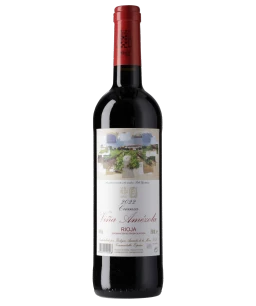
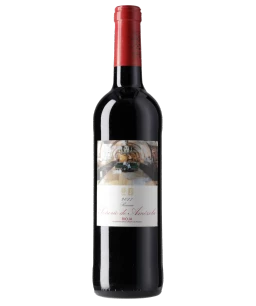
from Bodegas Amézola de la Mora
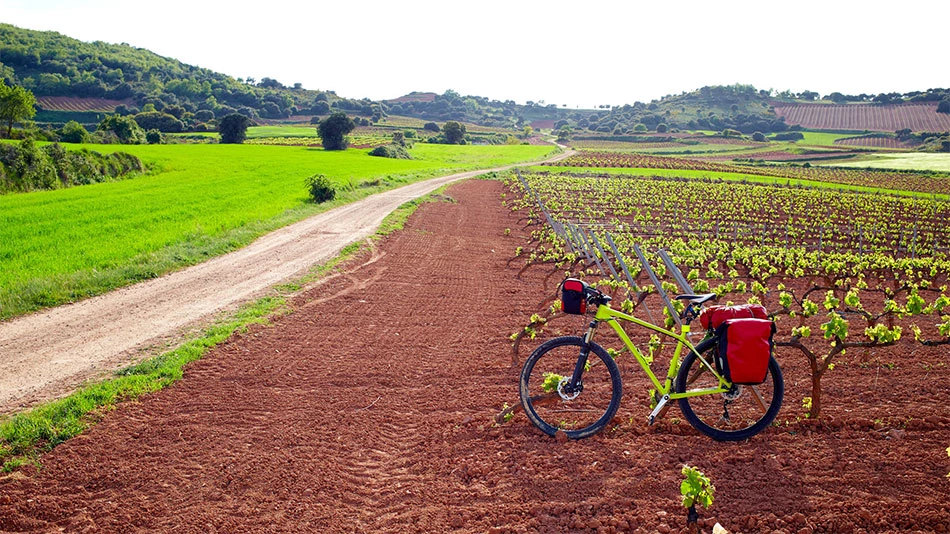
The soils in the Rioja Alta are predominantly loamy-calcareous. The subsoil contains sand and large chunks of lime, as one soil profile showed. They serve as water reservoirs for the long dry summer periods. In winter, the Cantabrian Mountains in the north protect from cold northern winds. Tempranillo, Graciano and Mazuelo, some of which are over 40 years old, are harvested by hand and traditionally vinified in steel tanks without temperature regulation. The pressing is carried out gently with old basket presses. The ageing takes place mainly in used barrels. The results are delicate, traditional, classically elegant Riojas, which only leave the winery after longer storage in barrels and bottles than required by law, so that they do not require further storage in your cellar and are immediately ready to drink.
Producer
Famille Perrin
Nestled amongst the rolling hills of Correns, Château Miraval is now one of Provence’s best-known wine estates. This historic estate combines the beauty of the South of France with a clear vision for modern, high-quality rosé wines, and has gained international renown thanks to Brad Pitt and Angelina Jolie.
Viñedos Lacalle y Laorden
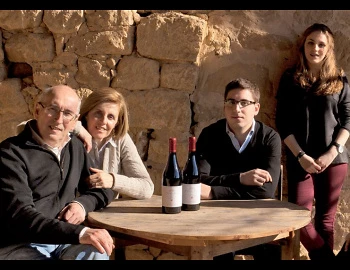
In 2015 the two families of Zapiain and Lopez de Lacalle launched the Izar-Leku Mahastiak project (today Grupo Artadi) in Zarautz/Basque Country, with the aim of producing a table wine as well as a sparkling wine with Txakoli as the base wine. Today this sparkling wine is part of the "Viñedos Lacalle y Laorden" company - just like the premium single-vineyard wine "Viña El Pisón", though this wine comes from the Álava/Rioja region.
Domaine de Ferrand
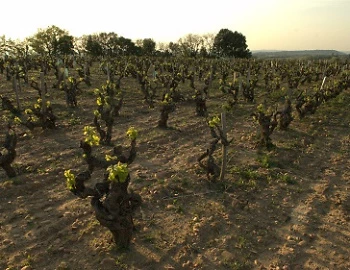
Philippe Bravay represents the fourth generation of the family that owns Domaine de Ferrand. The winery can be traced back to the 17th century. Philippe’s parents sold the grapes to wine merchants. But he decided to press and bottle his own wine.