
Bodegas Amézola de la Mora
The Amézola de la Mora family vineyard originated in the 19th century. Already then it enjoyed a good reputation in large parts of the country. With the appearance of the dreaded phylloxera plague, however, production unfortunately came to an end. In 1986, Iñigo Amézola de la Mora brought the family estate back to life.
María and Cristina, the daughters of Iñigo Amézola, who unfortunately died too early, now lead the family estate into the future as a young generation with gentle innovation, without neglecting the deeply rooted traditions. Torremontalbo is the name of the hamlet at a crossroads with as many as four houses. The bodega, not far away, is connected to an underground tunnel. 60 hectares of vineyards spread over at 600 to 700 metres above sea level around the bodega, which is built on a gentle hill. The view sweeps over the wide valley of the Ebro, from the Rioja Alta to the Rioja Alavesa on the other side of the river.
Red wines from Bodegas Amézola de la Mora
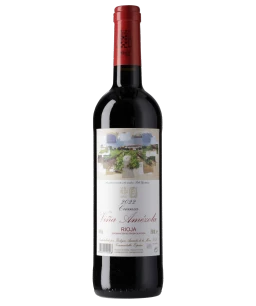
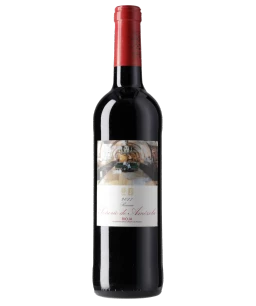
from Bodegas Amézola de la Mora
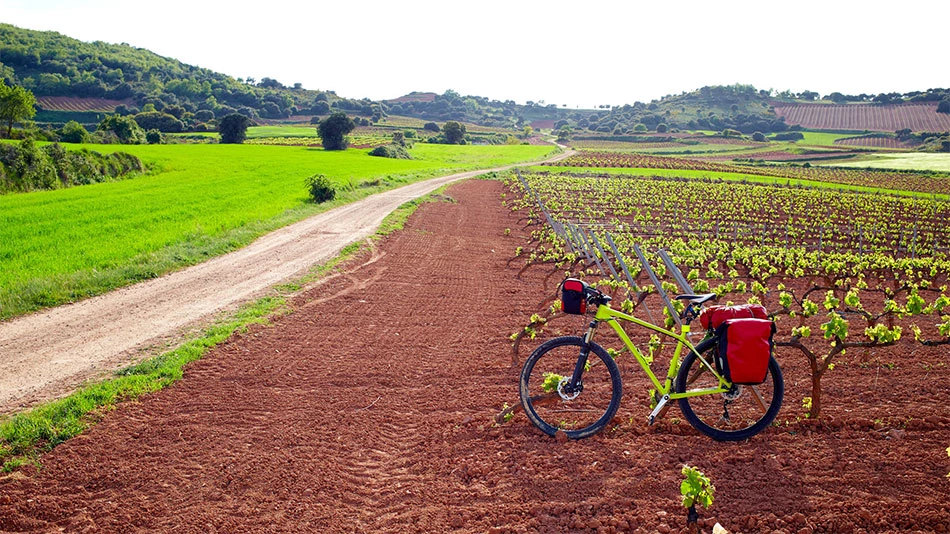
The soils in the Rioja Alta are predominantly loamy-calcareous. The subsoil contains sand and large chunks of lime, as one soil profile showed. They serve as water reservoirs for the long dry summer periods. In winter, the Cantabrian Mountains in the north protect from cold northern winds. Tempranillo, Graciano and Mazuelo, some of which are over 40 years old, are harvested by hand and traditionally vinified in steel tanks without temperature regulation. The pressing is carried out gently with old basket presses. The ageing takes place mainly in used barrels. The results are delicate, traditional, classically elegant Riojas, which only leave the winery after longer storage in barrels and bottles than required by law, so that they do not require further storage in your cellar and are immediately ready to drink.
Producer
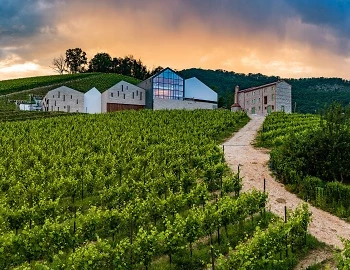
Sacchetto
For over a hundred years, the Sacchetto family has devoted itself to winemaking with passion. The winery is led by the siblings Beatrice and Paolo, together with the people who work alongside them and help shape its identity. They all share one vision: to create wines that express their origin – and tell a story.
Brivio / Gialdi
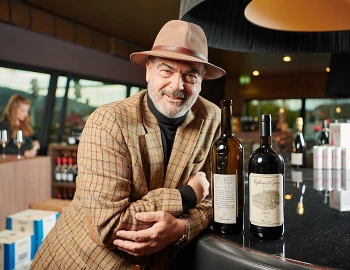
For most of wine lovers in Switzerland, the name Guido Brivio is no unknown. However, abroad, it is a different story. Only after many years in the trade has he become among the wine experts and professionals of New York or London an insider tip, so to say, from an infinitesimally tiny unknown corner in the great international wine world.
Rocche Costamagna / Alessandro Locatelli
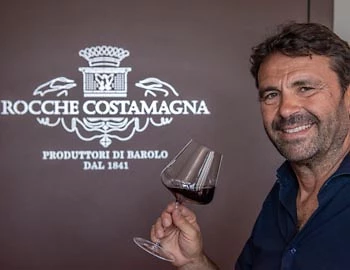
The wines of Rocche-Costamagna are a result of the perfect interplay of geographical location, meticulous care both in the vineyard and in the cellar, and decades of experience.