
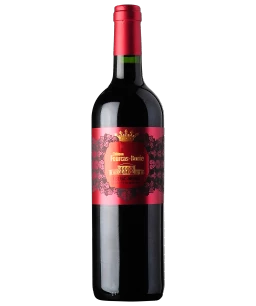
Château Fourcas-Borie
The Bruno Borie family, which is also the owner of Château Ducru-Beaucaillou 2e Cru Classé in Saint Julien), acquired the Château Fourcas Dumont in 2009 and from then on named it Château Fourcas-Borie.
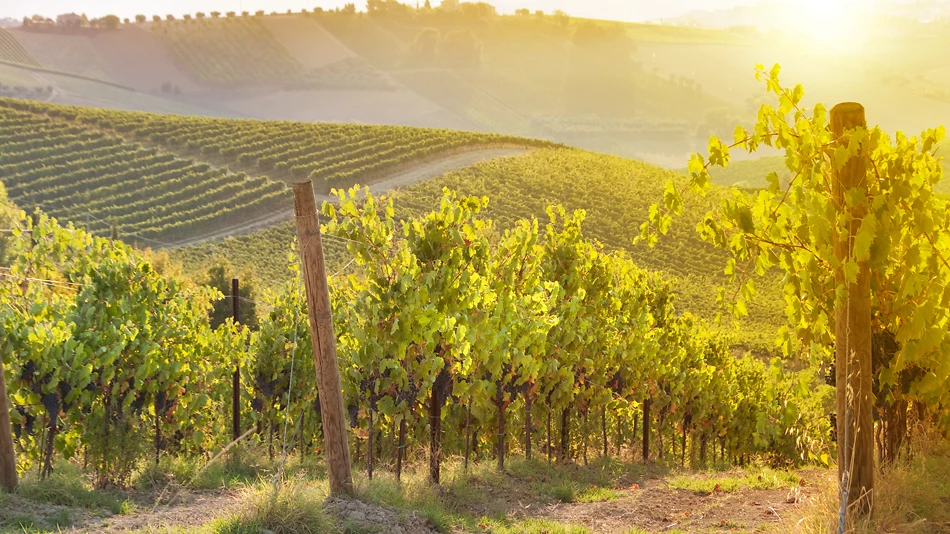
This Bordeaux Château is located in the north of Listrac, a village in Haut-Médoc, and disposes of 74 hectares of vineyards in Fourcas and Moulin du Bourg (clay, gravel and lime soil). The average age of the vines is about 30 years.
The investments made by the Borie family in cellar technology and the efforts made in the vineyards, coupled with the know-how of Château Ducru-Beaucaillou, already bore their first fruits with the 2010 vintage. The sum of all these endeavours has resulted in a velvety, already very elegant wine, with a "reasonable" price, which is even suitable for festive occasions.
The cuvée is a classic blend of the following grape varieties: 50% Merlot, 40% Cabernet Sauvignon and 10% Petit Verdot. The grape varieties and parcels are fermented separately in temperature-controlled stainless-steel tanks. The subsequent ageing is carried out for twelve months in partly new and partly used French barrels.
The renowned wine maker Eric Boissenot advises the Château and vinifies its wine.
Red wines from Château Fourcas-Borie
from Château Fourcas-Borie
Producer
Chazánte
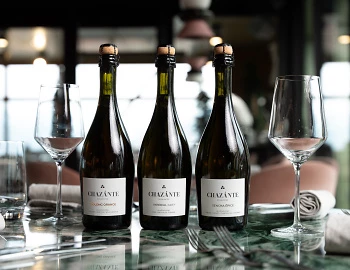
Chazánte – the best of grapes and tea. Chazánte is a non-alcoholic sparkling tea that combines the complex aromas of exclusive teas with the freshness and mineral notes of wine – refined with fine carbonation.
Fattoria Nicodemi / Fam. Nicodemi
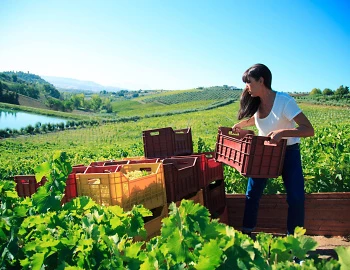
Between the deep blue of the Adriatic Sea to the east and the snowy peaks of the Gran Sasso to the west you find the rolling and charming landscape of Abruzzo. On a hilltop lies the pretty village of Notaresco and not far from it the winery of Elena and Alessandro Nicodemi.
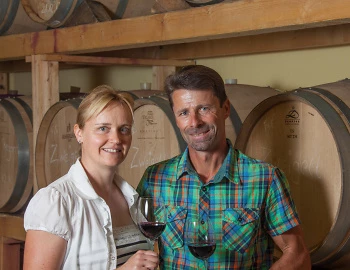
Roland und Karin Lenz
In 1994, while Roland Lenz was still studying oenology, he and his wife Karin were able to acquire eight hectares of vines on the Iselisberg. It was a unique opportunity that they seized, even though they were toying with the idea of setting up their own business abroad, far from Switzerland. They actually did so later, but that's another story…