
G. & J. Guillerault / Sebastian Fargette
Gilles Guillerault and Sébastien Fargette are based in Crézancy-en-Sancerre, a few kilometres west of Sancerre, in the Centre-Loire region. A lovely hilly landscape where vineyards alternate with charming villages. With around 2400 hectares of vineyards, Sancerre is a rather small wine-growing region. Only two grape varieties are cultivated, Sauvignon Blanc and Pinot Noir.
The well-drained soils are very calcareous with a variable proportion of clay. The flint, mainly found around Sancerre, provides the typical "flinty" aroma to the wines. 1000 kilometres from the Loire estuary, we are in the heart of France. The climate is distinctly continental, with cold winters and hot summers, and hail or frost can cause great damage to the vines. However, the wines are excellent. Sancerre is known all over the world as one of the great French classics.


Producer

Dominio de Pingus
The first Pingus was bottled in 1995. This limited production wine from Ribera del Duero made history with a legendary rating from Robert Parker Junior (1998): "One of the greatest young red wines I have ever tasted." The vintage is also at the centre of a somewhat mythical-sounding story – the freighter carrying a quarter of the limited production sank off the Azores, with the wine ending up in Davy Jones's locker at the bottom of the sea.
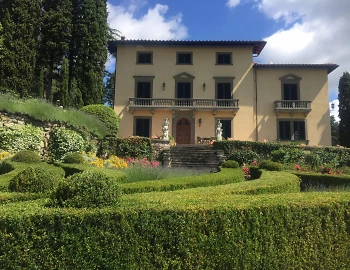
Paolo Conterno – Tenuta Ortaglia
With Tenuta Ortaglia, Giorgio Conterno has combined his Piedmontese origins with a Tuscan passion. In addition to his Barolos from Piedmont, he is now devoting himself to a second project close to his heart – a place that has captivated him for years.
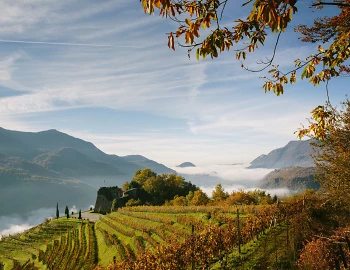
Tenuta Castello di Morcote
The vineyard of the Tenuta Castello di Morcote is widely held to be one of the most beautiful in Ticino. It lies some 200 metres above the picturesque village of Vico Morcote and offers a stunning view of the mountains and the Lago di Lugano. At the heart of this vineyard are the ruins of the Castello di Morcote.