
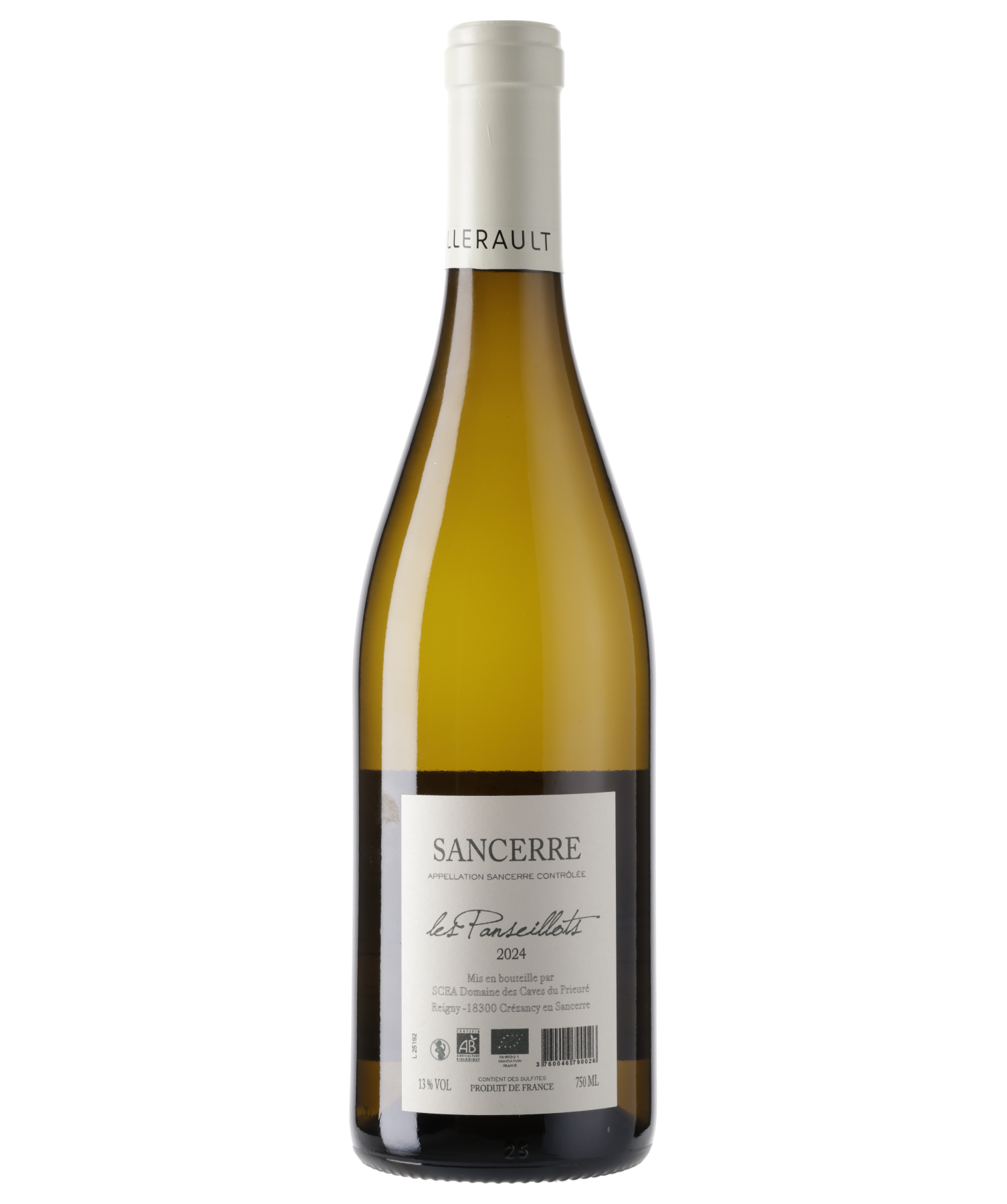
Sancerre - Les Panseillots 2024
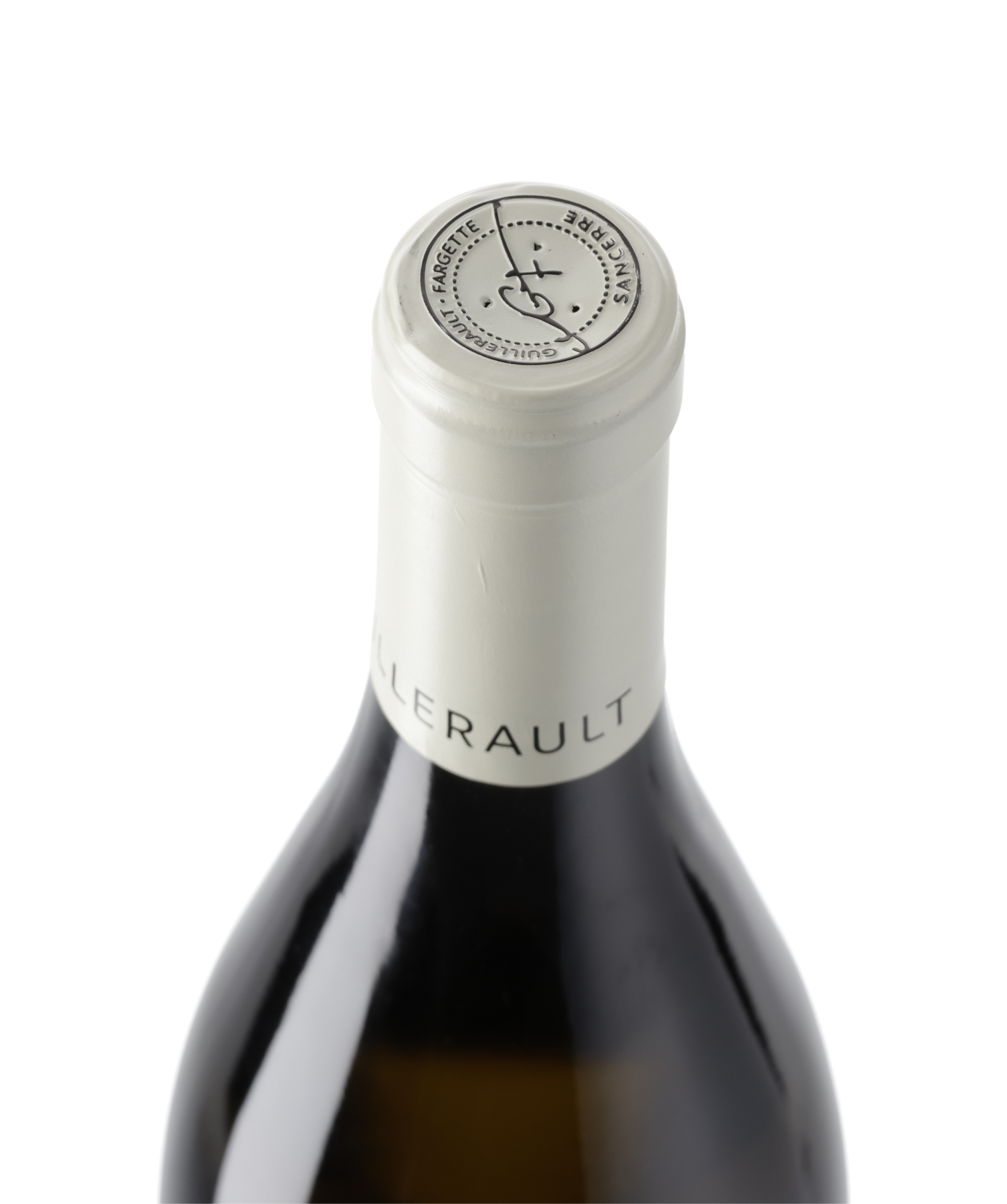
AC, S. Fargette & G. Guillerault, 750 ml


Description
Pale golden yellow with green tinge. The nose is floral and fruity with Granny Smith apple, lime, mango and blackcurrant leaf. On palate the wine is forward and direct, driven by a pleasant raciness. Freshness and persistence result in a nice Sancerre Sauvignon Blanc in the classic style.
Attributes
| Grape variety: | Sauvignon Blanc |
| Producer: | G. & J. Guillerault / Sebastian Fargette |
| Label: | Certified organic or biodynamic wine |
| Ripening potential: | 1 to 3 years |
| Drinking temperature: | 10 to 12 °C |
| Food Pairing: | Italian antipasti, Asparagus specialities, Sushi, Sashimi, Ceviche |
| Vinification: | soft pressing, fermentation at low temperatures |
| Harvest: | hand-picking |
| Maturation: | long cultivation, on the yeast |
| Volume: | 13.0 % |
G. & J. Guillerault / Sebastian Fargette
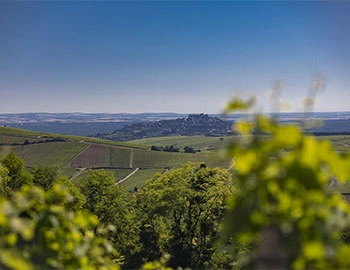
Gilles Guillerault and Sébastien Fargette are based in Crézancy-en-Sancerre, a few kilometres west of Sancerre, in the Centre-Loire region. A lovely hilly landscape where vineyards alternate with charming villages. With around 2400 hectares of vineyards, Sancerre is a rather small wine-growing region. Only two grape varieties are cultivated, Sauvignon Blanc and Pinot Noir.
The well-drained soils are very calcareous with a variable proportion of clay. The flint, mainly found around Sancerre, provides the typical "flinty" aroma to the wines. 1000 kilometres from the Loire estuary, we are in the heart of France. The climate is distinctly continental, with cold winters and hot summers, and hail or frost can cause great damage to the vines. However, the wines are excellent. Sancerre is known all over the world as one of the great French classics.
Sauvignon Blanc
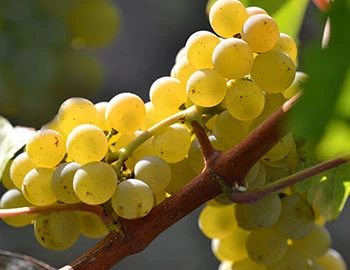
The Sauvignon blanc can be recognized with your eyes closed. Its typical bouquet is marked by green notes: freshly cut grass, tomato bunches, gooseberry. Citrus fruits, cassis and flint join into the mix. In warmer latitudes it also shows exotic aromas, such as passion fruit. Its acidity is decidedly lively. In all likelihood, it comes from the Loire Valley, where it is vinified in Pouilly-Fumé and Sancerre in its purest form: varietally, and without timber. In the 18th century, it found its way to Bordeaux. Ambitious producers assemble it there with Sémillon into substantial whites, which are aged in oak barrels. The Sauvignon blanc has been a sensational success in the past 20 years in New Zealand. With its refreshing sweet-and-sour style, winemakers from down under have conquered the world. The rich Sauvignons from Styria and crisp examples of South Tyrol and Friuli are worth mentioning as well. It pairs with anything from the sea. Or do it like they do on the Loire, and enjoy it with goat cheese.