
Peter Michael Winery
In the 1970s, Sir Peter Michael came to California as a young engineer and discovered the emerging wine world of California, with some excellent names already drawing international attention.
This awakened his desire to try something new. The search for a suitable piece of land ended in the secluded Knights Valley on the western slope of Mount St. Helena, in the east of Sonoma County, north of Napa Valley. The first vines were planted in 1983. His son Paul was helping out at the time and was full of enthusiasm, although the rows of vines were extremely difficult to set up on the very steep (inclines of up to 40%), stony layers of primarily volcanic rock. Later, Sir Peter was able to buy more plots of land on the coast and in Oakville, in Napa: Fort Ross-Seaview, with perfect growing conditions for Pinot Noir, and Au Paradis, planted with Cabernet Sauvignon and Cabernet Franc.
White wines from Peter Michael Winery
Red wines from Peter Michael Winery
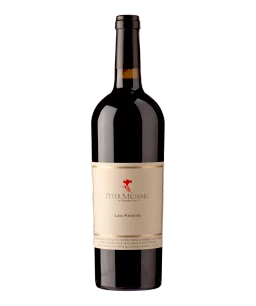
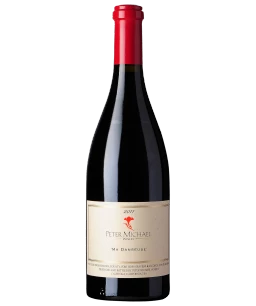


from Peter Michael Winery
The winery is not easy to find. If you're not careful, you can easily drive past it and continue up the hill, where you will be rewarded with a fantastic view over the vineyards and two lakes. It seldom rains, which is why the artificial lakes were built for irrigation. The dry climate promotes sustainable and natural resource management.
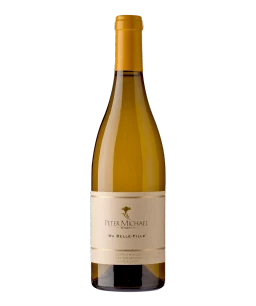
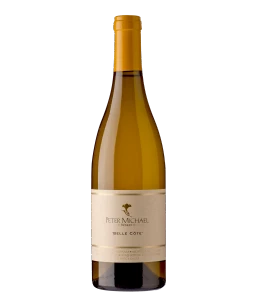
In the Les Pavots area, Cabernet Sauvignon, Merlot and Petit Verdot ripen to produce the eponymous cult wine. In the vineyards of Belle Côte and La Carrière they grow Chardonnay and in L’Après-Midi Sauvignon Blanc. The Ma Belle-Fille and Ma Danseuse vineyards are planted with Chardonnay and Pinot Noir and have been named in honour of Sir Peter’s daughter-in-law and of Lady Michael, who as a young woman was an enthusiastic dancer.
In 2020 Robert Fiore took over the legacy begun by Helen Turley and developed by Mark Aubert and Luc and Nicolas Morlet as Winemaker. Javier Aviña is in charge as Vineyard Manager since 1991.
With a cool glass of wine, resting on the terrace of the winery in a deck chair, you will feel like a king in California. You could almost forget that you are in the United States, because the wines are reminiscent of their counterparts in France. Sir Peter has achieved his goal: to produce wines which combine the best of California and France.


Producer
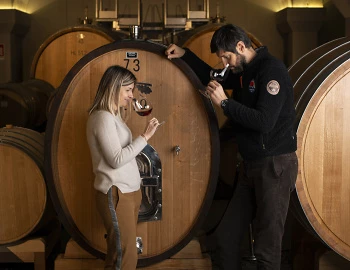
Mauro Molino
The Mauro Molino winery is located in the heart of the rolling hills of Piedmont, where morning mist hangs over the vineyards and the sun spreads its warm rays over the chalky soil. For over 40 years, the Molino family has been producing wines with character – deeply rooted in tradition, yet open to new ideas.
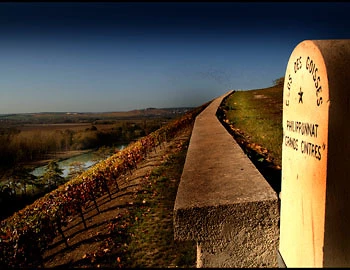
Champagne Philipponnat
Journeying across Champagne you will inevitably come across familiar sounding names. Grand names behind which often hide grand houses that carry on their business at the global level.
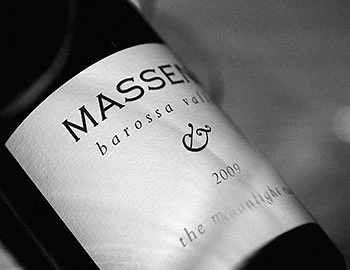
Massena / Jaysen Collins
Dan Standish and Jaysen Collins were college friends, and in the late 1990s they decided to put their talents together to produce wine. Recently, Jaysen Collins has taken charge of the "Massena" project on his own.The grapes are purchased from growers in Greenock, Kalimna and Koonunga Hill in the northwest Barossa Valley.