
Pierre-Luc Leyvraz
Pierre-Luc Leyvraz is often called the "King of Chasselas". That this definition is anything but exaggerated strikes you at the latest once you have tasted his Saint-Saphorin "Les Blassinges", marked by the terroir and very typical
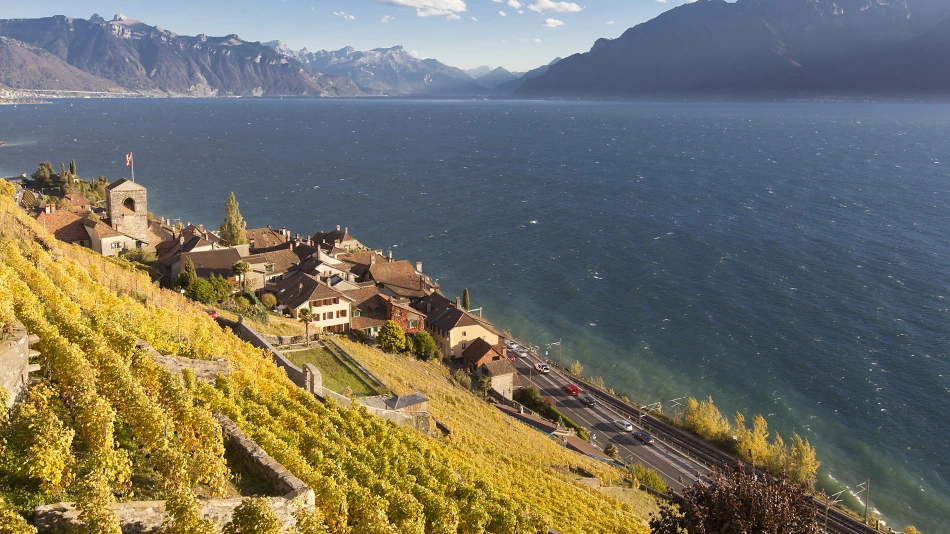
The vineyard is cultivated according to the principles of integrated production (IP). The estate covers a total of 3.3 hectares divided into ten plots, each just a few hundred metres apart. They all belong to the area classified as a UNESCO World Heritage Site.
White wines from Pierre-Luc Leyvraz

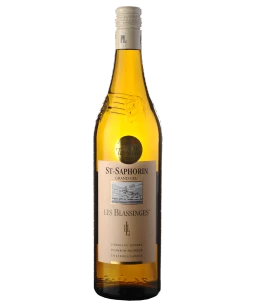
from Pierre-Luc Leyvraz
The soils of the Lavaux area were formed about 25 million years ago. The thrust which, at the time, would definitively define the course of the Rhône and the location of Lake Geneva was formed through the Alpine folds. During the various successive glacial cycles, the glacier "planed" the slope and thus "corrected" its shape, while at the same time dragging away Alpine sediments deposited in the form of moraines. The material that makes up this soil has been lying here since the retreat of the last Rhone glacier, about 15,000 years ago. As early as the 10th century AD, Cistercian monks cleared the thickets on the steep slopes to plant the first vines. The rocks and stones left behind by the glacier were used to build the spectacular walls that still support the terraced vineyards of this estate today.
The soil composition varies slightly, but its high limestone content has always remained the same. It was during the 1950s that the first vines gave the name "Les Blassinges" to the estate. Today, the famous St-Saphorin "Les Blassinges" is composed of a subtle blend of Chasselas from different plots, but all grown in the heart of this appellation. In other words, a true "Grand Cru".
Producer
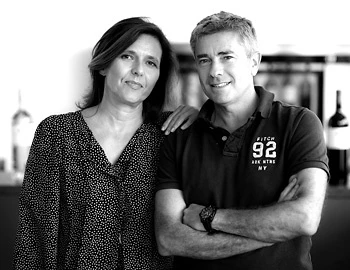
Château Les Valentines
Not far from the picturesque towns of Nice and Saint-Tropez, the owners of Château Les Valentines, Gilles and Pascale Pons, produce wines that reflect the summery lightness and intense sensuality of the beautiful Provence countryside.
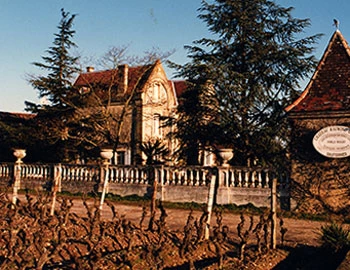
Château Raymond Lafon
Located in the heart of the Sauternes area, this winery comprises 18 hectares, 16 of which planted with 80% Sémillon and 20% Sauvignon Blanc. The maximum yield by law is 25 hectolitres per hectare. The yields at Raymond-Lafon average only 8 to 10 hectolitres per hectare; in other words, one vine will produce only one glass of delicious wine. Over several pickings, the grapes are harvested one by one according to their level of maturity. In some years, this can result in up to ten selected hand harvests. This alone lets one appreciate the great value of this wine.
Paladin
The vineyards of the Paladin winery are located in the border area between the Eastern Veneto and Friuli, where wine was already being grown in Roman times. At that time, the wines of this area were shipped in amphorae from the nearby sea ports to Rome, as reported by the historian Pliny.