South Australia
South Australia: Shiraz as a driving force
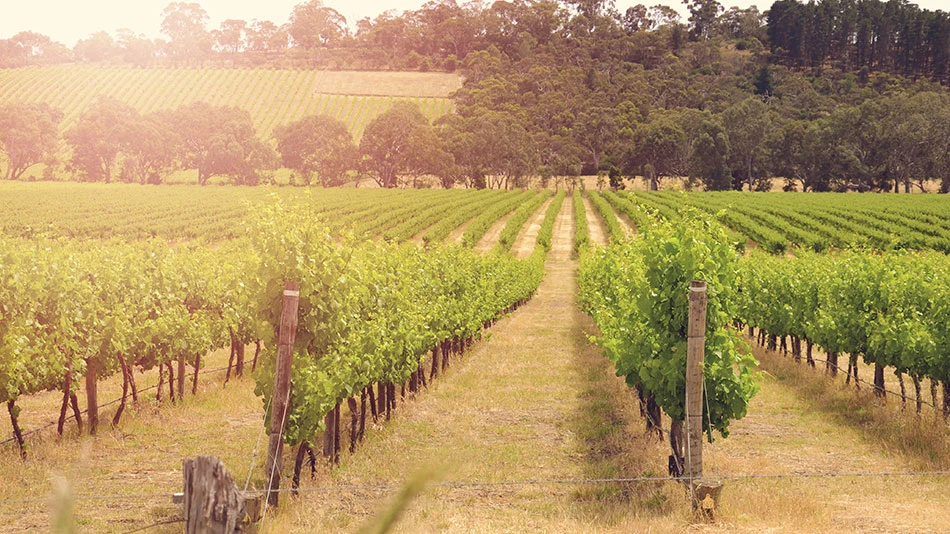
South Australia, with the Barossa Valley as the most well-known cultivation area and the city of Adelaide as a wine metropolis, is without a doubt the centre of the Australian wine economy. The wines produced here have brought the Shiraz from “down under” worldwide recognition. They are fully concentrated wines with dark-berried cassis fruit and masterfully supportive oak wood spices. But Chardonnay, Cabernet Sauvignon, Merlot and Riesling play more than just a supporting role.
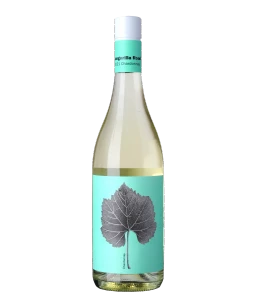
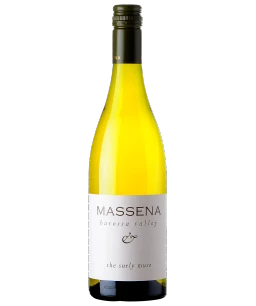
White wines from South Australia
Red wines from South Australia

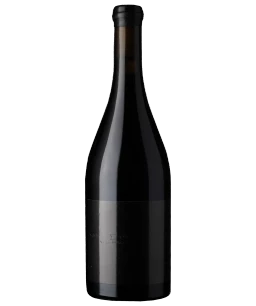

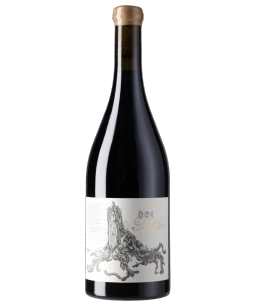
The vintners of South Australia are not entirely wrong in asserting that the Syrah variety, which they call Shiraz, is just as at home here as in southern France. While phylloxera destroyed all the vineyards in the Rhône valley in the late 19th century, and Syrah today is grown on American rootstocks, phylloxera never reached this part of Australia. That is why Shiraz vines up to 150 years old are still maintained and grow ungrafted, with their original roots. These vine Methuselahs, lovingly named “grandfather”, yield highly concentrated, world-class wines.
Not just Shiraz
To equate South Australia with Shiraz ignores the multifaceted nature of this cultivation area. Around Coonawarra – an approximately 15-kilometre-long and two-kilometre-wide strip, situated about 400 kilometres southeast of Adelaide – exquisite Cabernet blends are produced in a cool climate, in the legendary “Terra Rossa” soils, with plenty of lime and oxidized iron. And in the cool Eden Valley with its stony, loamy soil, crystal clear Rieslings with mineral notes are grown that are reminiscent of Alsace.
It was English settlers who began growing wine in South Australia in 1836. The most prominent viticultural pioneer was a doctor, Christopher Rawson Penfolds, who began by planting of grape seedlings from France in 1844. Later, German Lutherans from Silesia arrived in the region, establishing religious communities that also grew wine.
English settlers led the way
South Australia sits in a generally mild and dry climate. Precipitation, around 500 millimetres, is accordingly low. But, due to its proximity to the cool Pacific and the altitude of certain subregions (vines grow up to 500 metres above sea level in Eden Valley and Adelaide Hills), there are also “cool climates” here that allow the cultivation of crisp, wholesome wines. South Australia accounts for almost 40 percent of the country’s wine production. There are roughly 75,000 hectares planted with vines. The state includes 18 different cultivation areas.