
Il Molino di Grace
Frank Grace acquired this estate in 1995 after holidaying in Tuscany with his wife and having fallen for the charm of this idyllic region.
No surprise given his origins in the state of Ohio, with nothing special and dominated by steel production. After major renovation and a partial replanting of the vines in 1999, the winery reopened its doors under the direction of Gerhard Hirmer, with Franco Bernabei, a well known figure in Italy, as winemaker. Marketing is left to Tim, Frank's son, and success has not been long in coming: in 2004 the Gambero Rosso guide raised expectations and in 2005 Decanter designated the estate one of the 25 best in Italy.
Il Molino di Grace, a historic old windmill, marks the entrance to the estate ('tenuta') a few kilometres south of Panzano amongst the hills of Chianti Classico. Sangiovese naturally plays the main role on the 14 hectare site at an altitude of 280 to 450 metres. Pockets of Cabernet Sauvignon, Merlot, Syrah and Canaiolo round out the complement of varietals. The oldest vines planted 55 years ago are reserved for the Gratius, the flagship wine made exclusively from Sangiovese grown on a soil called Gastestro, the best in Chianti, composed of clay-limestone marl and pebbles.
The viticulture adopts natural methods where possible, avoiding chemical fertilisers, herbicides and pesticides. The winemaking extends this approach with respect for indigenous yeasts and as little intervention as possible, and ageing is done in wood that integrates well with the structure of each wine. Most of the wines are not filtered, which can mean some sediment on ageing, leaving a rugged wine of full intensity and guaranteeing greater longevity. Here we present the Chianti Classico, a wine free of chic and fad but as it should be: honest, reliable and open. And that's why it finds friends even among the most sceptical of wine lovers.
Red wines from Il Molino di Grace


Delicatessen from Il Molino di Grace

from Il Molino di Grace

Producer
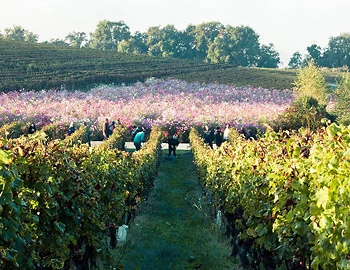
Château Biac
Sometimes life is full of surprises. The Lebanese Asseily family experienced this first-hand when they became the owners of Château Biac as if by accident in 2006. They regularly spent their summer holidays near Biac, but never would they have dreamt that they would own and manage this wonderful property themselves one day. It’s a fascinating story that Tony and Youmna Asseily are happy to share over a glass of their wine.
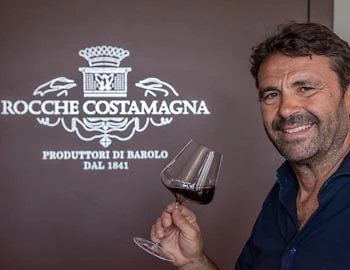
Rocche Costamagna / Alessandro Locatelli
The wines of Rocche-Costamagna are a result of the perfect interplay of geographical location, meticulous care both in the vineyard and in the cellar, and decades of experience.
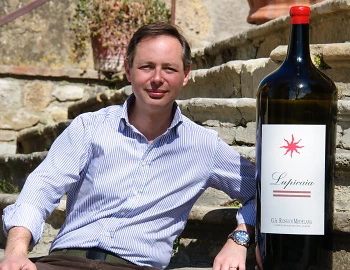
Castello del Terriccio
Castello del Terriccio is one of the largest agricultural estates in Tuscany (Province of Pisa) with its own microclimate. The approximately 1700 hectares extend from the northern end of the Maremma to the Tyrrhenian Sea. The vineyards enjoy a south-southwest exposure with the warming and luminous effect of the sea. The Mediterranean maquis and the eucalyptus trees growing all around it not only protect the grapes from the wind, but also imbue them with the scents and aromas that give the wines of the Terriccio their distinctive flavour.