
Quinta de Passagem
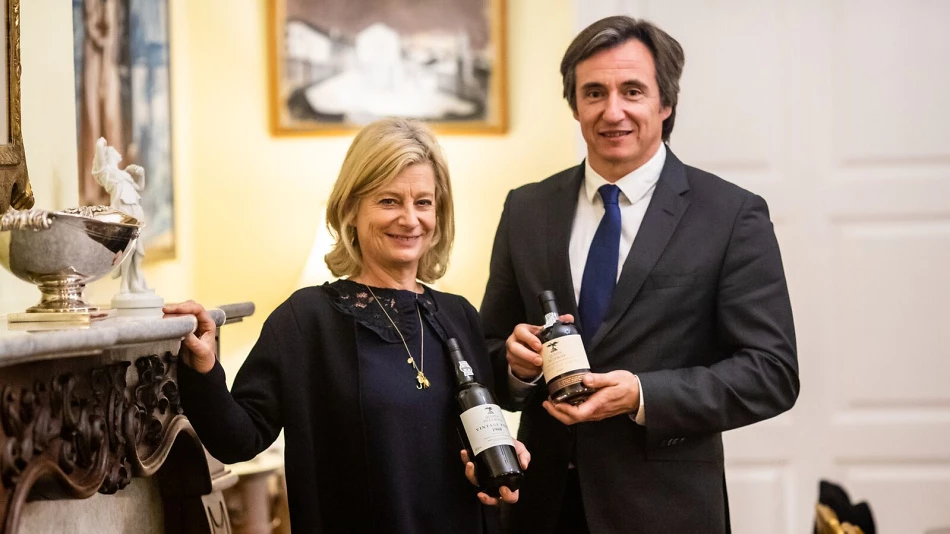
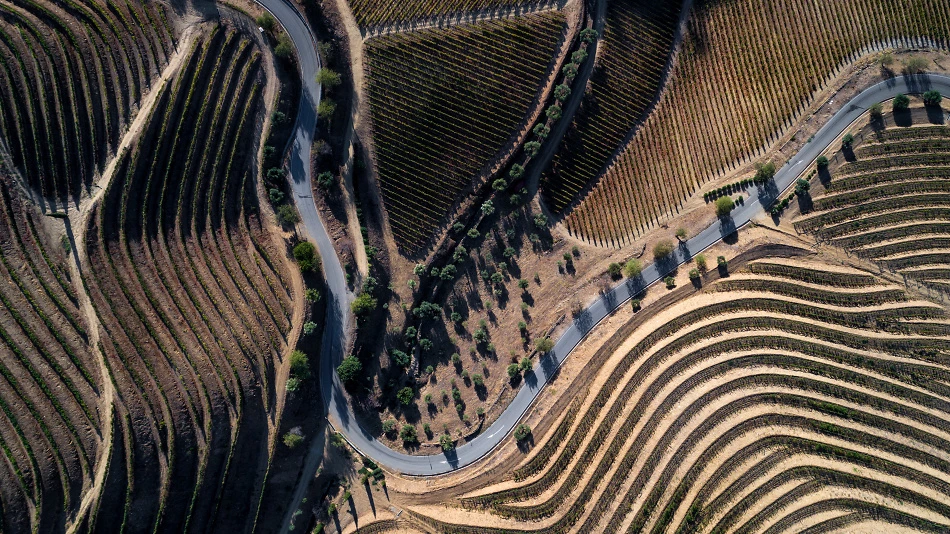
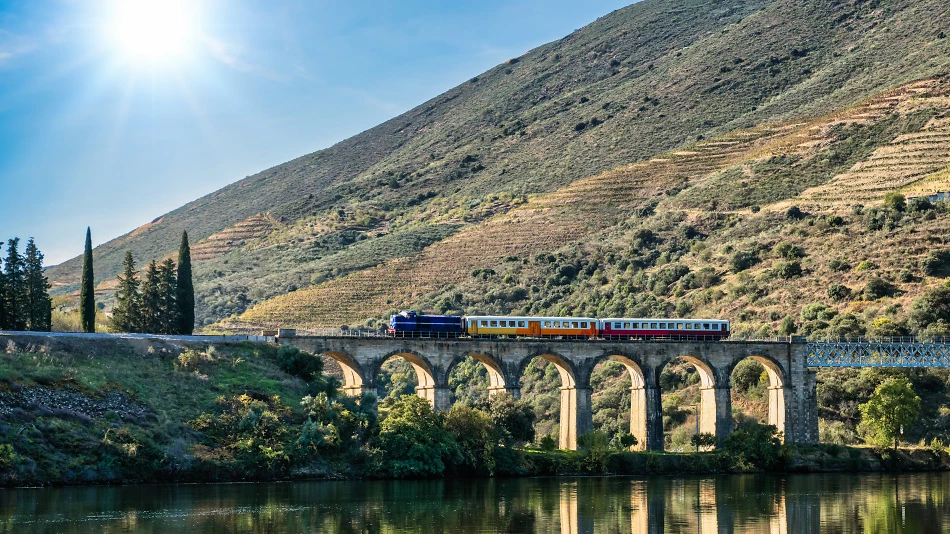
Starting from the heart of the Douro Valley and following the course of the Douro River upstream, you reach the area known as the Douro Superior, which borders Spain. It was here that the Bergqvist family acquired Quinta de Passagem in 2005, located close to the river, not far from the village of Pocinho. Their partner in this joint venture is Jorge Moreira, a long-standing oenologist at Quinta de la Rosa.
Nine hectares are old vineyards planted with a mixture of indigenous grape varieties bearing rarely heard names: Viosinho, Gouveio, Rabigato and Códega do Larinho for the whites, and Tinta Barroca, Tinta Cão and Tinta Roriz for the reds. In 2005 and 2006, 20 hectares were newly planted with Touriga Nacional and Touriga Franca. These relatively young vines are already producing excellent grapes, and with each new vintage, Jorge Moreira succeeds in giving his red and white Passagem even more depth, elegance and expression. Passagem – passage, transition, passageway – is an apt name for a wine from this remote region, where many paths have crossed over the centuries, from prehistoric times (the famous rock carvings of Foz Côa are located here) through the Roman era and the Middle Ages to modern times.
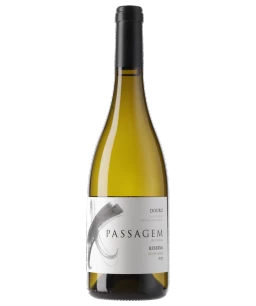
White wines from Quinta de Passagem
Red wines from Quinta de Passagem
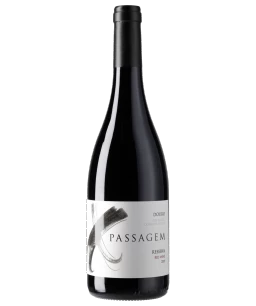
from Quinta de Passagem
In oenological terms, the Douro Superior is little known, although it is home to the famous Barca Velha, which caused a sensation in the 1950s and is still considered one of Portugal's finest wines. For Jorge Moreira and Sophia Bergqvist, Quinta de Passagem is certainly an exciting project with a bright future. In any case, every year we can look forward to discovering a new Passagem in red and white, two wines with distinctive individuality.
Producer
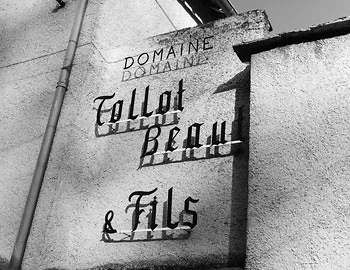
Domaine Tollot-Beaut / Nathalie Tollot
This fine family domaine has existed since the end of the 19th century. Initially, there were only a few vineyards in the village of Chorey. As time went on, it developed into 24 hectares in the communes of Beaune, Savigny and Aloxe-Corton. The estate is now run by cousins Nathalie, Jean-Paul, and Olivier Tollot.
Bioweingut Lenz
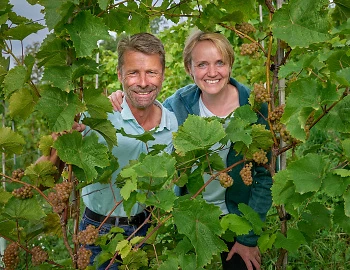
In 1994, while Roland Lenz was still studying oenology, he and his wife Karin were able to acquire eight hectares of vines on the Iselisberg. It was a unique opportunity that they seized, even though they were toying with the idea of setting up their own business abroad, far from Switzerland. They actually did so later, but that's another story…

Dominio de Pingus
The first Pingus was bottled in 1995. This limited production wine from Ribera del Duero made history with a legendary rating from Robert Parker Junior (1998): "One of the greatest young red wines I have ever tasted." The vintage is also at the centre of a somewhat mythical-sounding story – the freighter carrying a quarter of the limited production sank off the Azores, with the wine ending up in Davy Jones's locker at the bottom of the sea.