
Maison Stéphan
Jean-Michel Stéphan has vinified more than 30 vintages of Côte-Rôtie and is one of the true masters of natural winemaking (vins naturels) in the northern Rhône region. His wines have a vibrant purity that makes them unmistakable, characterised by a balance of energy and transcendence that stems from his vision of making impeccable wines without any additives.
White wines from Maison Stéphan

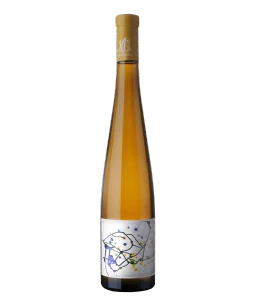
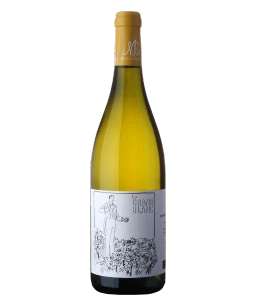
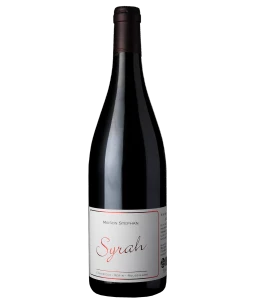
Red wines from Maison Stéphan
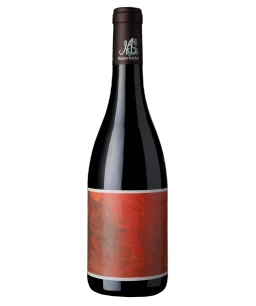
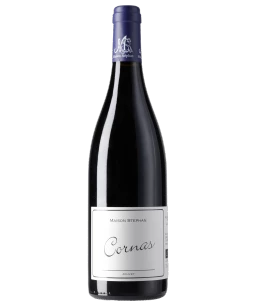
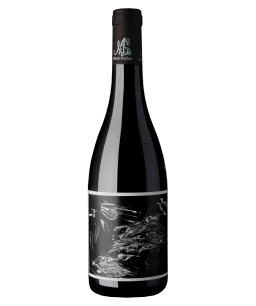
from Maison Stéphan

As a teenager Jean-Michel left home to work in the vineyards of a certain Monsieur Brun in Beaujolais, where he discovered his passion for the vineyards and winemaking, as well as becoming friends with the young Jean-Paul Brun. In 1986 Jean-Michel decided to plant his own vineyards, harvesting his first crop in 1991. In the early years he sold the grapes to Guigal, until finally producing his own first wine in 1994. The following year he started certified organic cultivation, having previously managed the vineyards on this principle anyway. Jean-Michel's wines had always been made from organically grown grapes and vinified without any additives - both of them practices which were unheard of in the region at the time. Although the family farm was run along strictly conventional lines, for some inexplicable reason Jean-Michel had always been interested in organic farming.
Soon after he was invited by his Belgian importer to dispense wines at a salon in the famous Cantillon brewery. It was at this event that he met other natural wine pioneers for the first time. He learned that there were more people looking for a way to produce natural wine without any additives, which inspired him to continue his work and join a movement of like-minded producers. It took him many years (and some wrong diections) to perfect his risky sans-sulphite style (no SO2 added), but a glass of wine from one of his bottles will make a convert of any fan of Syrah or wines from the northern Rhône region.
The estate cultivates 5 hectares of Côte-Rôtie, spread over three different vineyards: Côteaux de Bassenon, Côteaux de Tupin and a tiny plot in Côte Brune. Each area is vinified separately with carbonic or semi-carbonic maceration, depending on the vintage, without the addition of yeast, enzymes or SO2. Les Binards hails from the lower section of Tupin.
In 2017 his son Romain joined the domaine and together they planted another 5 hectares outside the Côte-Rôtie appellation around the nearby villages of Roussillon, Vérin, Condrieu, Ampuis and Chasse-sur-Rhône. At the moment the total annual production is 25,000 bottles. The winery is biodynamically eco-certified. The main varietal is Syrah, which is complemented by Viognier, Marsanne, Roussanne and the historic Sérine varietal. The Sérine vines date back to 1896. The soil formations are varied and consist of old Rhône alluvium, glacial moraine, dark migmatite granite with biotite, leucogneiss and rock interlayered with some quartz.


Producer

Weingut Rütihof
Read more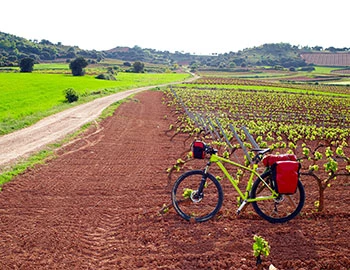
Bodegas Amézola de la Mora
The Amézola de la Mora family vineyard originated in the 19th century. Already then it enjoyed a good reputation in large parts of the country. With the appearance of the dreaded phylloxera plague, however, production unfortunately came to an end. In 1986, Iñigo Amézola de la Mora brought the family estate back to life.
G. & J. Guillerault / Sebastian Fargette
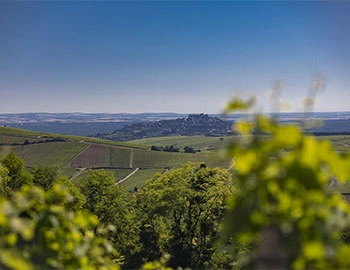
Gilles Guillerault and Sébastien Fargette are based in Crézancy-en-Sancerre, a few kilometres west of Sancerre, in the Centre-Loire region. A lovely hilly landscape where vineyards alternate with charming villages. With around 2400 hectares of vineyards, Sancerre is a rather small wine-growing region. Only two grape varieties are cultivated, Sauvignon Blanc and Pinot Noir.